


PCB Board Cloning Finalize Technical Data Package
In the automotive industry, engine control units (ECUs) are among the most sophisticated electronics embedded inside a vehicle. They govern critical functions such as fuel injection, emission control, ignition timing, and onboard diagnostics. Each ECU is built on a complex PCB board that integrates microcontrollers, memory chips, sensors, and communication circuits. As vehicles evolve, older ECU models are phased out, often leaving manufacturers and service providers without the original design documentation. This challenge highlights the importance of PCB Board Cloning Finalize Technical Data Package services.
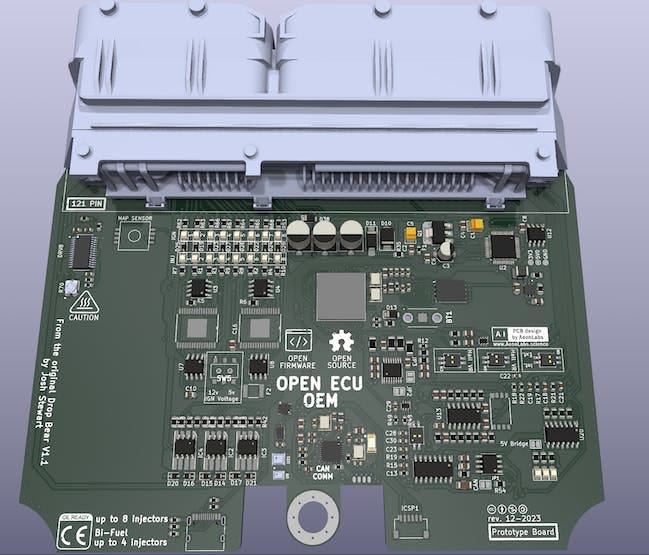
The Role of the Finalized Technical Data Package
When a PCB is reverse engineered, the outcome is not only a functional prototype but also a comprehensive technical data package. This package provides every essential document needed to reproduce, remanufacture, or refurbish the ECU board with accuracy. Each element serves a unique function:
- Gerber File: Defines copper traces, solder mask, and drilling details, enabling PCB fabrication with precision.
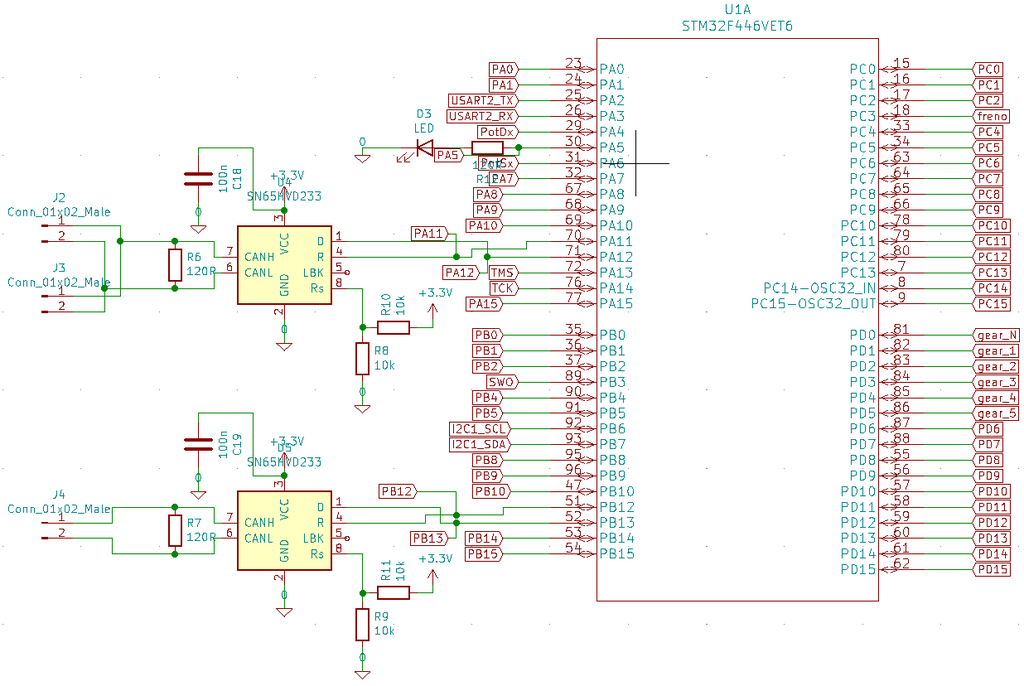
- Schematic Diagram: Shows the logical flow of the circuit, making it possible to understand and troubleshoot system functionality.
- Layout Drawing: Provides the physical placement of components, connectors, and vias to match the original board structure.
- BOM List (Bill of Materials): Lists every component with part numbers, values, and packaging details, supporting sourcing and redevelopment.
- Netlist: Maps electrical connections between nodes, ensuring the replicated design remains faithful to the original connectivity.
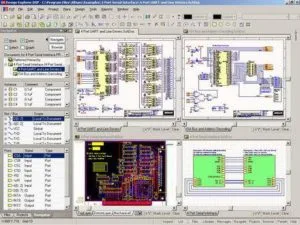
PCB Board Cloning Finalize Technical Data Package include Schematic diagram, Layout drawing, Gerber file and BOM which can be used for Printed circuit board reproduction;
1st step is Formulate/deliver technical data package. A finalized technical data pacakge should be formulated and delivered to the agency requesting the reverse engineering of the candidate item.
2nd step include changes of pcb board clone: After approval of the prototype, all data changes required as a result of the manufacturing phase should be included in the final technical data package.
3rd step is Procedures. Cognizant command procedures for finalizing the technical data package, such as, mono-detail and multi-detail drawings, and associated lists, should be used.
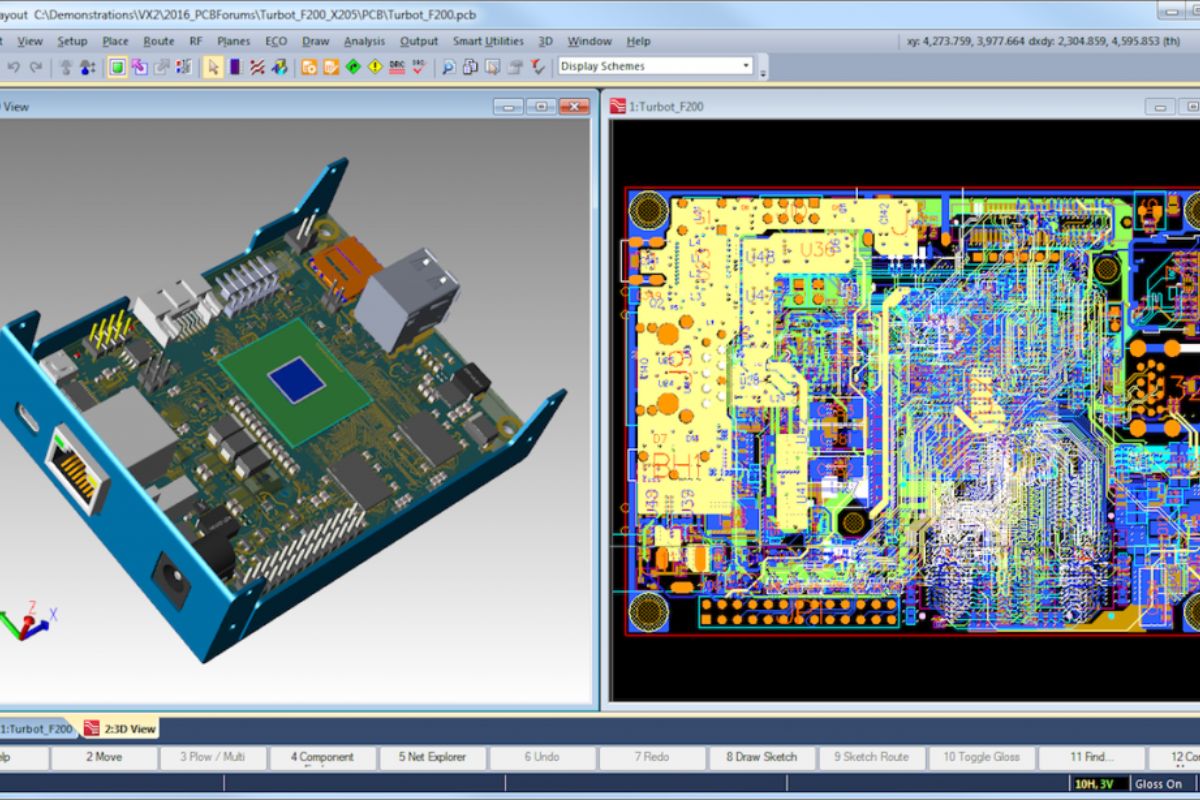
Together, these files form a blueprint that allows companies to recreate and duplicate the ECU board while maintaining reliability and compliance with automotive standards.
The Process of Reverse Engineering ECU PCBs
The journey to a finalized technical data package begins with inspection and preparation. Engineers analyze the ECU PCB’s layer count, density, and thermal requirements. Critical parts like BGAs and microcontrollers are carefully documented.
Next comes component analysis and desoldering, where hidden tracks are exposed. Using high-resolution imaging and microscopy, the circuitry is mapped to create accurate schematic diagrams and layout drawings.
The collected data is then digitized into Gerber files, netlists, and BOM lists. This digital reconstruction enables prototype manufacturing, followed by testing and validation. Once confirmed, the full technical package is delivered, giving the client a complete foundation for redevelopment, redesign, or large-scale remanufacture.
Additional engineering logistics considerations:
1st point is Re-evaluate design: The pcb board cloning process as described earlier in this handbook does not address additional engineering and logistics considerations. The newly acquired technical knowledge, gained by pcb board cloning, allows us to re-evaluate the design for maintenance philosophy, reliability, cost, and other changes that may affect the logistics support requirements.
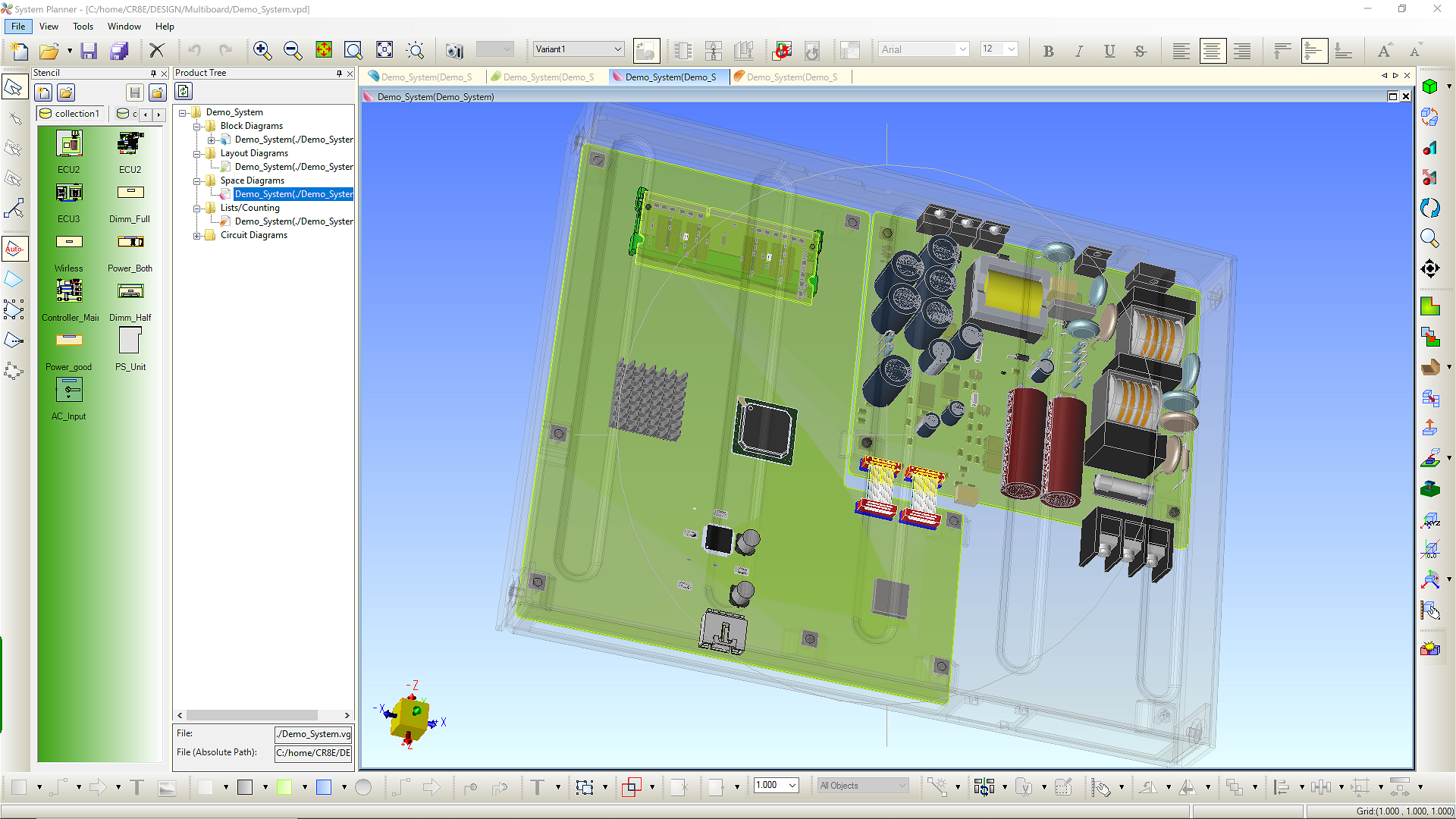
2nd point is Follow-on considerations include:
End-item technical data package update. The new technical data package including drawings, parts lists, specifications, specification change notices, drawing change notices and notices of revision should be incorporated into all affected documentation using the configuration management procedures required by the individual commands.
and Integrated logistics support (ILS). A review of pcb board reverse engineering should be made of the level of repair analysis (LORA) based upon the new technical data available. Due to lack of repair, items that are currently throw-away may now be reclassified as repairable.
Applications in the Automotive Sector
Automotive ECUs are critical not only for standard passenger cars but also for trucks, heavy machinery, and specialty vehicles. The ability to restore obsolete ECU boards ensures extended lifecycle support, reduced downtime, and cost savings. Workshops can clone or copy legacy ECUs for repair, while OEMs can use the data package as a springboard for redesigning systems with upgraded performance or compliance features.
Conclusion
The service of PCB Board Cloning Finalize Technical Data Package transforms a physical ECU board into a complete, future-proof digital archive. By combining reverse engineering expertise with advanced tools, companies and individuals gain access to a powerful resource that supports reproduction, duplication, refurbishment, and redevelopment. In an era of rapid automotive innovation, this approach bridges the gap between past designs and modern requirements, ensuring vehicles remain reliable for years to come.