


Reverse Engineering PCB Plate Test
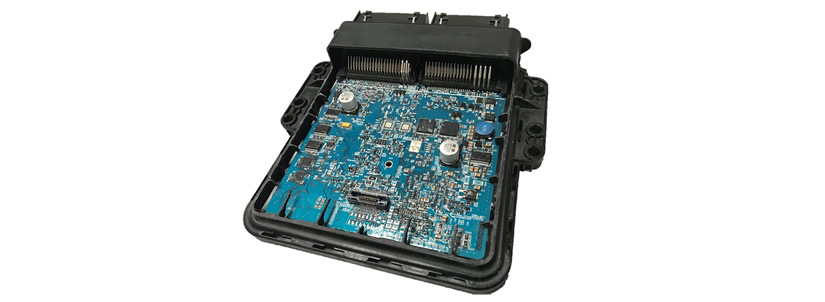
In the automotive industry, the Powertrain Control Module (PCM) is one of the most sophisticated electronic systems, regulating fuel injection, ignition timing, emission controls, and engine diagnostics. At the core of every PCM lies a complex PCB plate, which integrates microcontrollers, sensors, and signal-processing circuits. When these PCBs need to be replicated—often due to missing documentation, obsolete models, or the need for system refurbishment—the process of reverse engineering PCB plate test becomes critical to ensure accuracy and reliability.
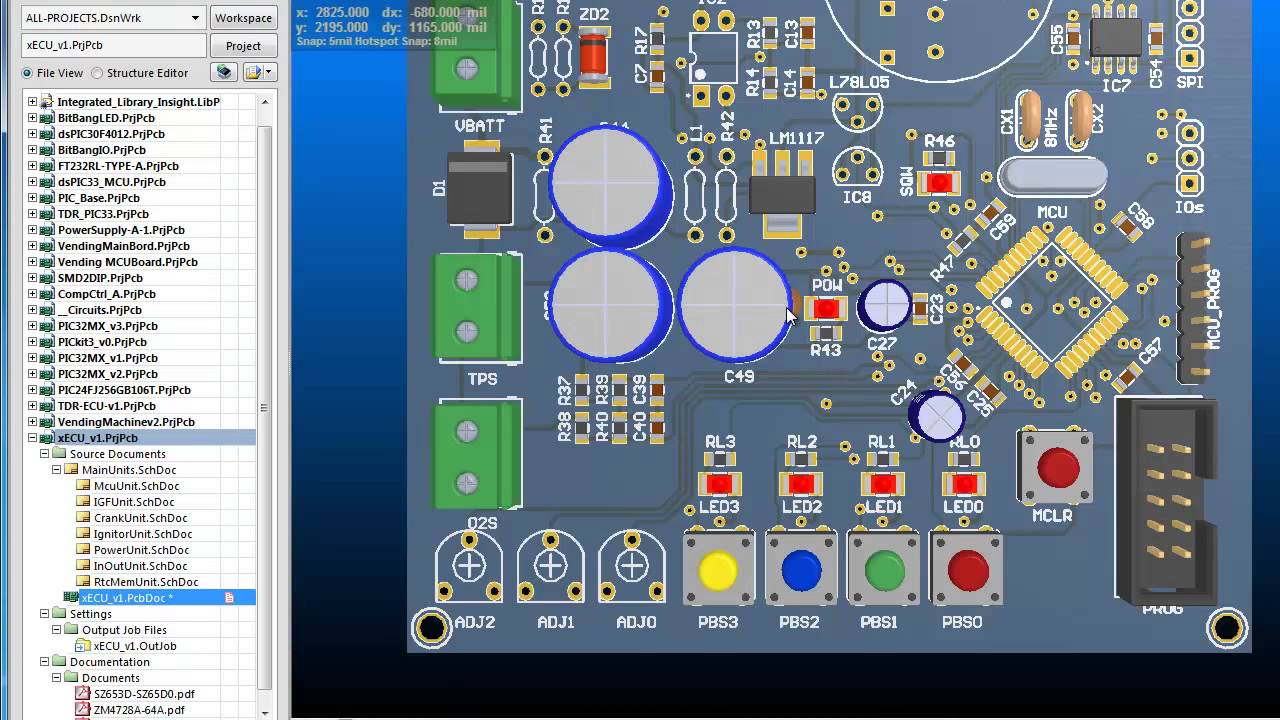
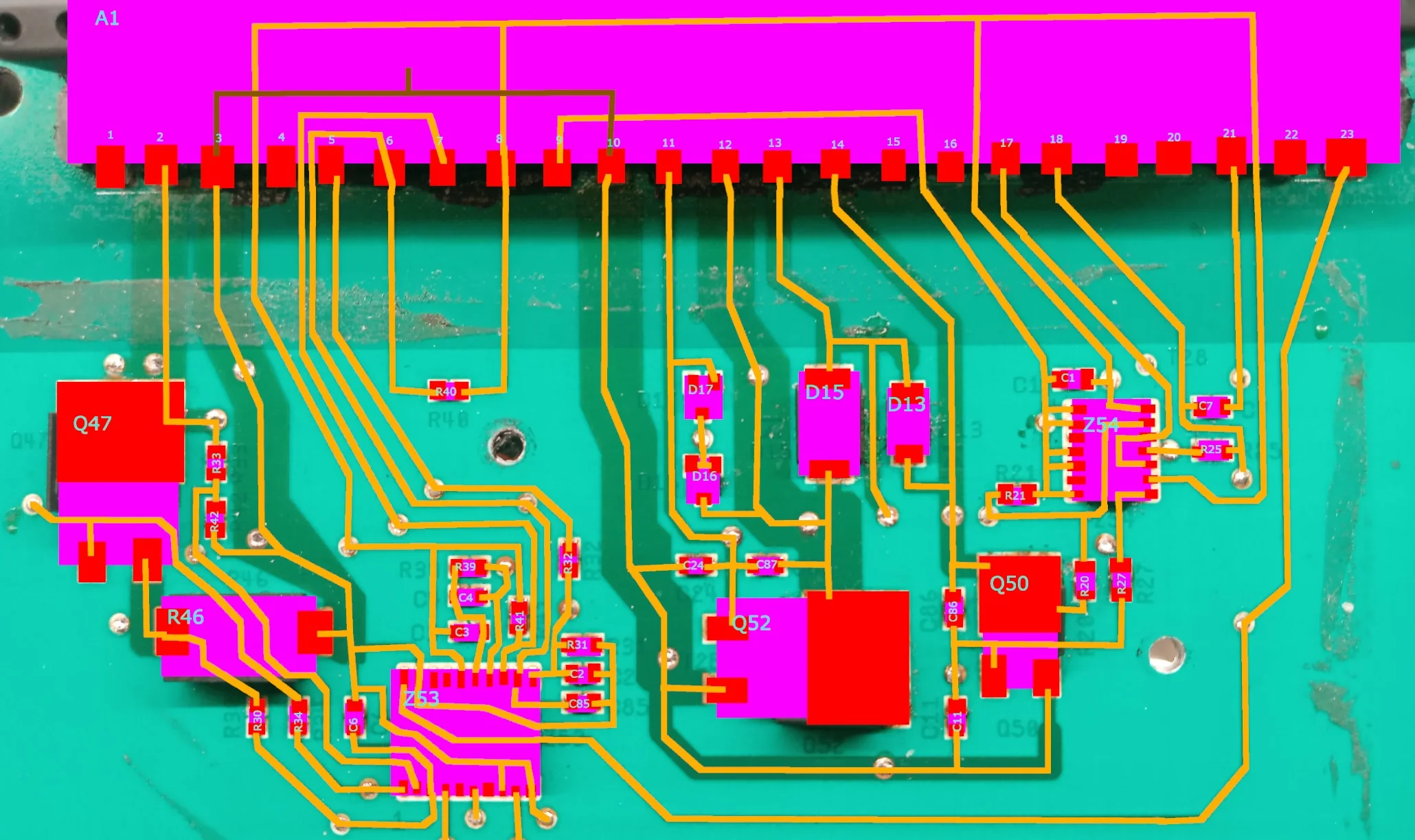
Reverse Engineering printed circuit board and extract schematic, gerber file and layout, component list, these information can help engineer to recreate circuit board, for most of the time, customers are not only expecting to have a exactly same PCB card cloning, a board with a different appearance, which can be modified through change the solder mask color, and color of silkscreen, alter the dimension of PCB board, etc will help to achieve this goal, also there is a possibility to change the I/O functionality.
Reverse engineering a PCM PCB plate involves more than simply creating a copy. Once engineers recover, restore, or recreate the missing design files, rigorous testing must be performed to verify the documentation. The Reverse Engineering PCB Plate Test serves as the final checkpoint before full reproduction or remanufacture of the board, ensuring the new files meet the strict performance standards required by automotive environments.
Technical Documentation Verified in Testing
During the testing process, multiple outputs from reverse engineering are evaluated:
- Gerber files – These are checked against the physical copper traces to confirm dimensional accuracy and correct layer registration. Without validated Gerber data, the reproduced PCB plate may suffer from misaligned vias or faulty connections.
- Schematic diagrams – Testing ensures that logical circuit relationships match the original PCM functions. This is crucial for validating control algorithms and communication interfaces.
- Layout drawings – The mechanical placement of components is compared to the original plate to avoid interference with housings, connectors, or thermal management systems.
- BOM lists – Bills of Materials are verified to ensure part numbers, ratings, and tolerances align with automotive-grade standards. Substitution or refurbishment of components is also considered here.
- Netlists – Electrical connectivity is tested to confirm that every pin-to-pin connection corresponds exactly to the original design. This step helps identify hidden design issues before manufacturing.
3 Certificate of compliance of pcb plate reverse engineering: A certificate of compliance should be placed in the candidate file certifying the product complies with workmanship standards and that all requirements and/or changes have been completed and the prototype is an acceptable replacement for the candidate.
The Process of Reverse Engineering PCB Plate Test
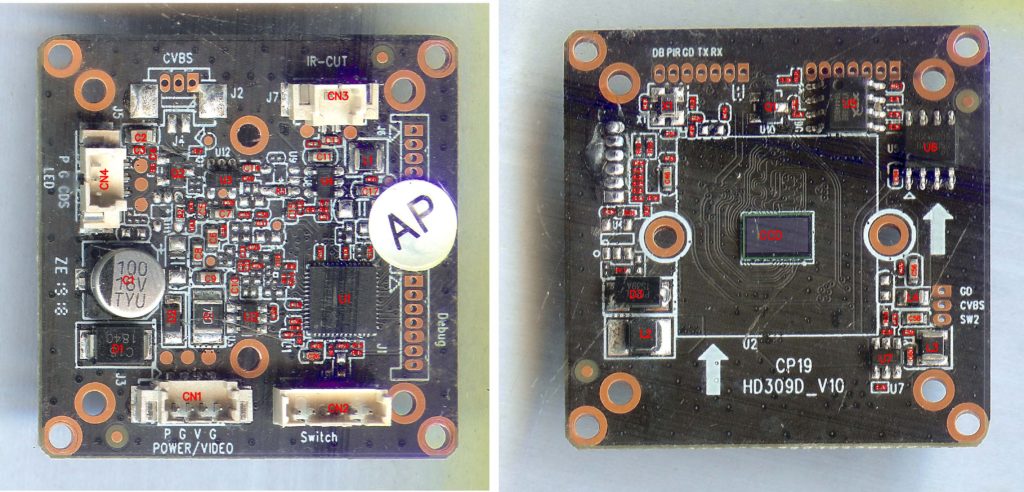
- Prototype Fabrication – Using the recreated files, a prototype PCM PCB plate is manufactured.
- Functional Verification – Engineers power the prototype and test control signals, sensor inputs, and ECU communication interfaces.
- Reliability Checks – The prototype undergoes stress testing, including thermal cycling and vibration testing, to simulate real automotive conditions.
- Document Refinement – Any deviations discovered are corrected in the schematic diagram, layout drawing, or Gerber file, ensuring accuracy for final production.
Applications in the Automotive Industry
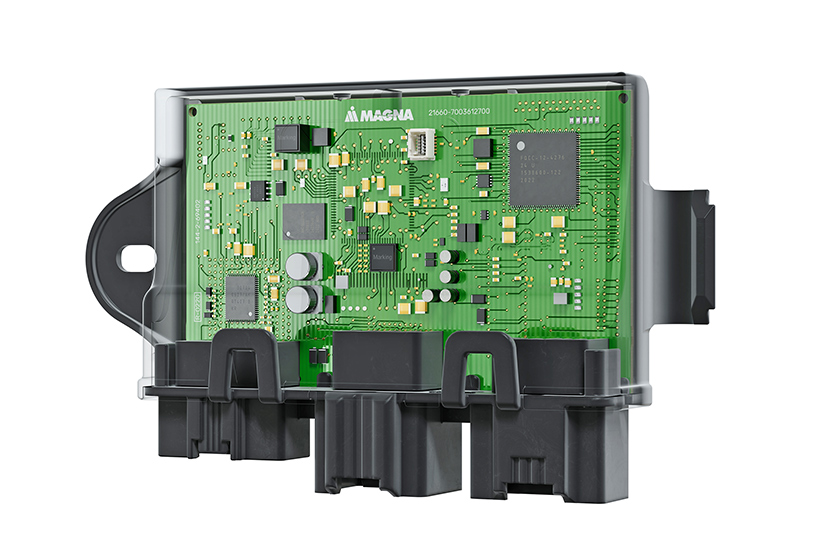
The value of the reverse engineering PCB plate test is profound. For automobile manufacturers, it enables the redevelopment and redesign of discontinued PCM systems, supporting longer product lifecycles. For repair centers, it makes possible the refurbishment and duplication of PCBs for vehicles no longer supported by OEMs. Enthusiasts and fleet operators also benefit, as they can copy or replicate ECU boards for restoration projects or to keep older models roadworthy.
Conclusion
The Reverse Engineering PCB Plate Test is not simply a technical step—it is the assurance of quality, safety, and performance in one of the most critical automotive electronics. By validating Gerber files, schematics, layout drawings, BOM lists, and netlists, engineers guarantee that the replicated PCM PCB plate will perform as reliably as the original. For the automotive industry, this process ensures that legacy vehicles remain operational, cost-effective, and future-ready.
Circuit Engineering Company Limited provide a complete PCB Reverse Engineering, PCB Clone and PCB Restoration service, Rapid Prototyping and functional test services using the latest technologies combined with traditional skills for a wide range of industries. By integrating our traditional skills with the latest technologies, we can offer clients a comprehensive portfolio of product development services all under one roof. For more details please contact our customer service team.
Tags: капіяваць pwb layout,капіяваць pwb part list