PCB Reverse Engineering, PCB Clone & PCB Copy Services

PWB Clone Over Grounding Line Noise

Cloning a printed wiring board used in a Transmission Control Module (TCM) requires careful attention to grounding structure and line noise control. In a backhoe loader, the TCM PCB governs automatic gear shifting and torque distribution, coordinating signals between sensors, hydraulic actuators, and the vehicle control network. Because these systems operate in a high-current, high-vibration environment, grounding noise can significantly influence signal accuracy and communication stability. During PWB clone projects, engineers must do more than simply copy copper traces; they must recover the electrical intention behind grounding planes, filtering networks, and signal reference paths. Reverse engineering techniques allow engineers to restore circuit logic and recreate the original behavior while ensuring that the reproduced board maintains stable gear-shift timing and torque control.
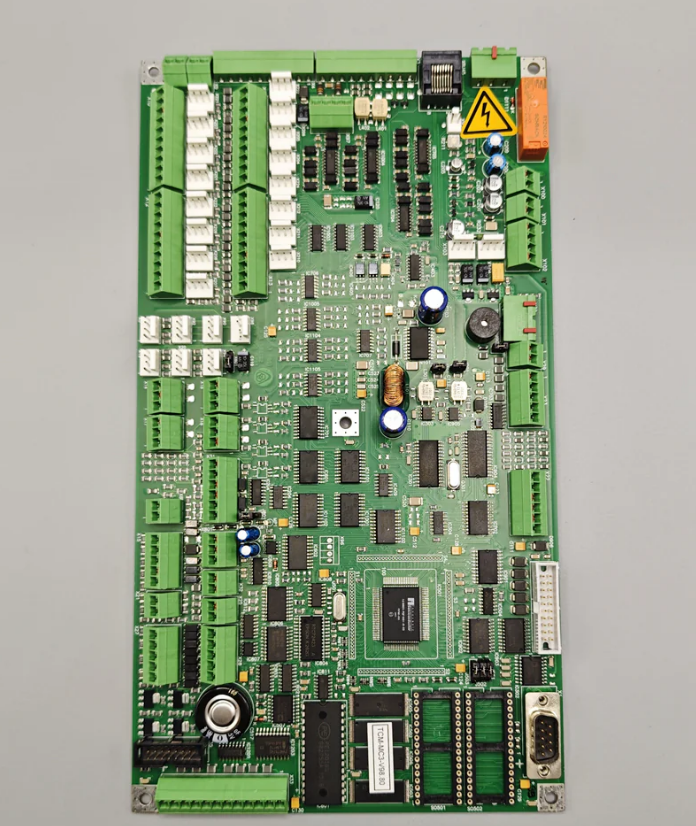
Das Klonen einer Leiterplatte eines Getriebesteuergeräts (TCM) erfordert besondere Aufmerksamkeit hinsichtlich der Erdungsstruktur und der Unterdrückung von Leitungsstörungen. In einem Baggerlader steuert die TCM-Leiterplatte die automatische Gangschaltung und Drehmomentverteilung und koordiniert die Signale zwischen Sensoren, Hydraulikaktuatoren und dem Fahrzeugsteuerungsnetzwerk. Da diese Systeme in einer Umgebung mit hohen Strömen und starken Vibrationen arbeiten, können Erdungsstörungen die Signalgenauigkeit und Kommunikationsstabilität erheblich beeinträchtigen. Bei Projekten zum Klonen von Leiterplatten müssen Ingenieure mehr tun, als nur Kupferleiterbahnen zu kopieren; sie müssen die elektrische Funktion hinter Erdungsflächen, Filternetzwerken und Signalreferenzpfaden rekonstruieren. Reverse-Engineering-Techniken ermöglichen es Ingenieuren, die Schaltungslogik wiederherzustellen und das ursprüngliche Verhalten nachzubilden, während gleichzeitig sichergestellt wird, dass die reproduzierte Leiterplatte stabile Schaltzeiten und eine präzise Drehmomentregelung beibehält.

A key stage in addressing grounding line noise during PWB clone is the reconstruction of technical documentation. Engineers carefully analyze the original board to recover the schematic diagram, netlist, layout drawing, and Gerber file that define the PCB structure. Each trace and via is inspected to recreate ground return paths and signal isolation areas that prevent interference between power circuits and digital control lines. The bom list is also rebuilt to verify the values of decoupling capacitors, ferrite beads, and filtering components used to suppress noise. During reverse engineering, the recovered netlist is compared with the schematic diagram to ensure electrical consistency before attempting to clone or duplicate the PCB. Once validated, the layout drawing and Gerber file can be used to reproduce the board accurately. This dense documentation process ensures that engineers do not simply replicate visual features but restore the functional integrity of the TCM circuitry.
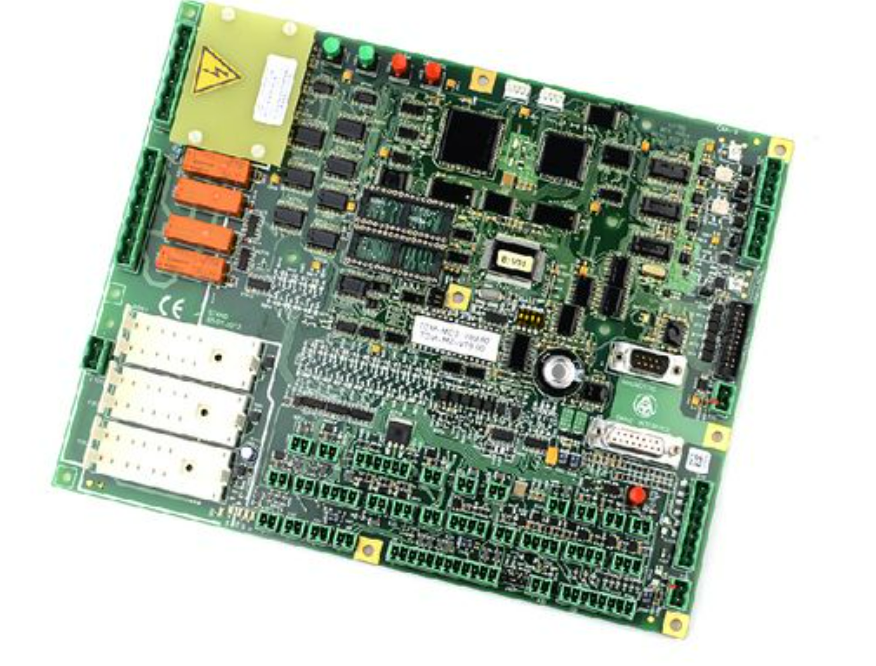
Le clonage d'une carte de circuit imprimé utilisée dans un module de commande de transmission (TCM) exige une attention particulière à la structure de mise à la terre et à la maîtrise des parasites. Dans une chargeuse-pelleteuse, la carte du TCM gère le passage automatique des vitesses et la répartition du couple, en coordonnant les signaux entre les capteurs, les actionneurs hydrauliques et le réseau de commande du véhicule. Ces systèmes fonctionnant dans un environnement à courant et vibrations élevés, les parasites de mise à la terre peuvent fortement influencer la précision du signal et la stabilité de la communication. Lors de projets de clonage de cartes de circuit imprimé, les ingénieurs doivent faire bien plus que simplement copier les pistes de cuivre ; ils doivent reconstituer le fonctionnement électrique sous-jacent aux plans de masse, aux réseaux de filtrage et aux chemins de référence des signaux. Les techniques de rétro-ingénierie permettent de restaurer la logique du circuit et de recréer le comportement d'origine, tout en garantissant la stabilité du passage des vitesses et de la régulation du couple sur la carte reproduite.
Le clonage d’une carte de circuit imprimé utilisée dans un module de commande de transmission (TCM) exige une attention particulière à la structure de mise à la terre et à la maîtrise des parasites. Dans une chargeuse-pelleteuse, la carte du TCM gère le passage automatique des vitesses et la répartition du couple, en coordonnant les signaux entre les capteurs, les actionneurs hydrauliques et le réseau de commande du véhicule. Ces systèmes fonctionnant dans un environnement à courant et vibrations élevés, les parasites de mise à la terre peuvent fortement influencer la précision du signal et la stabilité de la communication. Lors de projets de clonage de cartes de circuit imprimé, les ingénieurs doivent faire bien plus que simplement copier les pistes de cuivre ; ils doivent reconstituer le fonctionnement électrique sous-jacent aux plans de masse, aux réseaux de filtrage et aux chemins de référence des signaux. Les techniques de rétro-ingénierie permettent de restaurer la logique du circuit et de recréer le comportement d’origine, tout en garantissant la stabilité du passage des vitesses et de la régulation du couple sur la carte reproduite.

Grounding Line Noise is a commonly issue when design PCB board schematic diagram, PWB Clone will inevitably encounter the noise issue from power supply line, when the emergence of electro-magnetic interference on the digital circuit, the main reason is on the power supply line and grounding line, use oscillograph to monitor the obvious noise voltage.
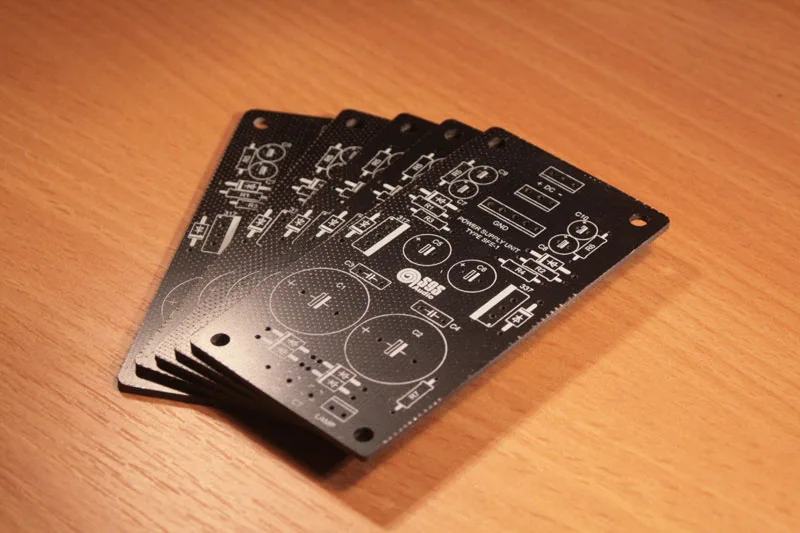
PWB Clone will inevitably encounter the noise issue from power supply line, when the emergence of electro-magnetic interference on the digital circuit, the main reason is on the power supply line and grounding line

Although there are a lot of people can assure that these noises is the main cause for electro-magnetic interference when PWB clone, but normally has no effective measures to deal with them, in order to achieve the purpose of noise elimination, it is necessary to understand the generating source of these noises:
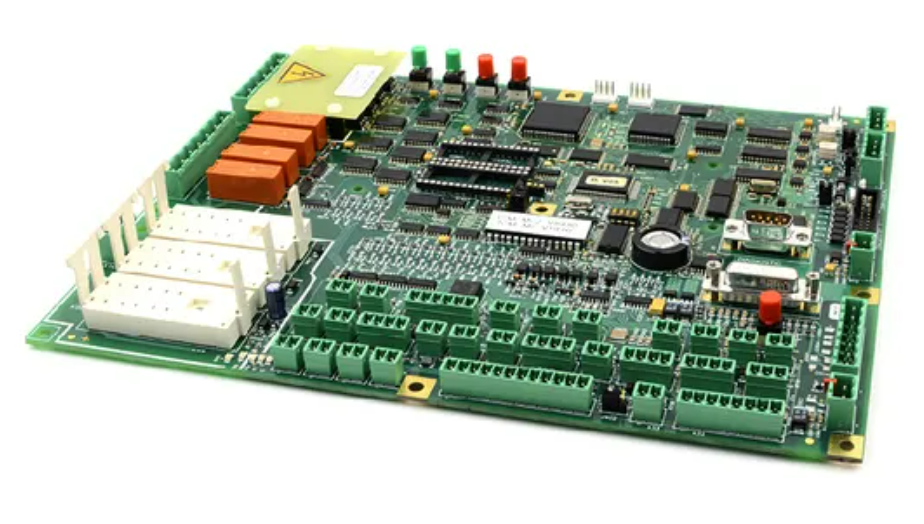
La clonazione di una scheda a circuito stampato utilizzata in un modulo di controllo della trasmissione (TCM) richiede un'attenta analisi della struttura di messa a terra e del controllo del rumore di linea. In una terna, la scheda a circuito stampato del TCM gestisce il cambio automatico e la distribuzione della coppia, coordinando i segnali tra sensori, attuatori idraulici e la rete di controllo del veicolo. Poiché questi sistemi operano in un ambiente ad alta corrente e vibrazioni, il rumore di messa a terra può influenzare significativamente l'accuratezza del segnale e la stabilità della comunicazione. Durante i progetti di clonazione di una scheda a circuito stampato, gli ingegneri devono fare molto di più che copiare semplicemente le tracce in rame: devono recuperare l'intenzionalità elettrica dietro i piani di messa a terra, le reti di filtraggio e i percorsi di riferimento del segnale. Le tecniche di reverse engineering consentono agli ingegneri di ripristinare la logica del circuito e ricreare il comportamento originale, garantendo al contempo che la scheda riprodotta mantenga una fasatura del cambio e un controllo della coppia stabili.
La clonazione di una scheda a circuito stampato utilizzata in un modulo di controllo della trasmissione (TCM) richiede un’attenta analisi della struttura di messa a terra e del controllo del rumore di linea. In una terna, la scheda a circuito stampato del TCM gestisce il cambio automatico e la distribuzione della coppia, coordinando i segnali tra sensori, attuatori idraulici e la rete di controllo del veicolo. Poiché questi sistemi operano in un ambiente ad alta corrente e vibrazioni, il rumore di messa a terra può influenzare significativamente l’accuratezza del segnale e la stabilità della comunicazione. Durante i progetti di clonazione di una scheda a circuito stampato, gli ingegneri devono fare molto di più che copiare semplicemente le tracce in rame: devono recuperare l’intenzionalità elettrica dietro i piani di messa a terra, le reti di filtraggio e i percorsi di riferimento del segnale. Le tecniche di reverse engineering consentono agli ingegneri di ripristinare la logica del circuito e ricreare il comportamento originale, garantendo al contempo che la scheda riprodotta mantenga una fasatura del cambio e un controllo della coppia stabili.

Noise on the grounding line, when the occurrence of peak current from the power supply line, there is also some current flow through the grounding line, especially when the output electrical level turns from high to low for Clone Signal Amplifier PCBA, and the peak current from the ground line could be higher.

Due to the different conductance value on the grounding line which can also generate the voltage, and cause the grounding noise. The noise on the grounding line and power supply line can not only make the operation efficiency of circuit lower, but also generate stronger electro-magnetic radiation.
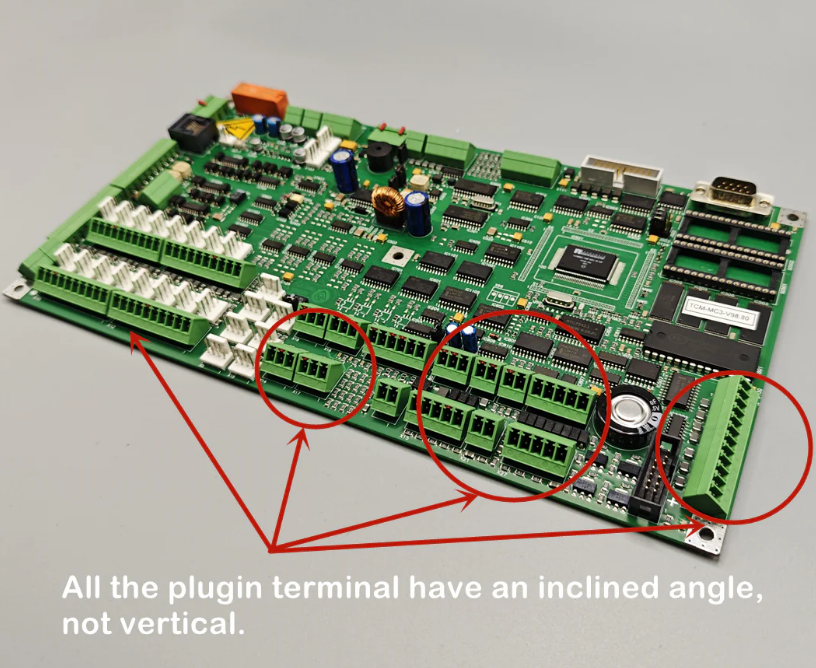
Bir şanzıman kontrol modülünde (TCM) kullanılan baskılı devre kartının kopyalanması, topraklama yapısına ve hat gürültüsü kontrolüne dikkatli bir şekilde yaklaşmayı gerektirir. Bir kazıcı yükleyicide, TCM PCB'si otomatik vites değişimini ve tork dağıtımını yönetir, sensörler, hidrolik aktüatörler ve araç kontrol ağı arasındaki sinyalleri koordine eder. Bu sistemler yüksek akım ve yüksek titreşimli bir ortamda çalıştığı için, topraklama gürültüsü sinyal doğruluğunu ve iletişim kararlılığını önemli ölçüde etkileyebilir. Baskılı devre kartı kopyalama projelerinde, mühendisler sadece bakır izleri kopyalamaktan daha fazlasını yapmalıdır; topraklama düzlemlerinin, filtreleme ağlarının ve sinyal referans yollarının ardındaki elektriksel amacı yeniden oluşturmalıdırlar. Tersine mühendislik teknikleri, mühendislerin devre mantığını geri yüklemelerine ve orijinal davranışı yeniden oluşturmalarına olanak tanırken, yeniden üretilen kartın kararlı vites değiştirme zamanlamasını ve tork kontrolünü korumasını sağlar.
Bir şanzıman kontrol modülünde (TCM) kullanılan baskılı devre kartının kopyalanması, topraklama yapısına ve hat gürültüsü kontrolüne dikkatli bir şekilde yaklaşmayı gerektirir. Bir kazıcı yükleyicide, TCM PCB’si otomatik vites değişimini ve tork dağıtımını yönetir, sensörler, hidrolik aktüatörler ve araç kontrol ağı arasındaki sinyalleri koordine eder. Bu sistemler yüksek akım ve yüksek titreşimli bir ortamda çalıştığı için, topraklama gürültüsü sinyal doğruluğunu ve iletişim kararlılığını önemli ölçüde etkileyebilir. Baskılı devre kartı kopyalama projelerinde, mühendisler sadece bakır izleri kopyalamaktan daha fazlasını yapmalıdır; topraklama düzlemlerinin, filtreleme ağlarının ve sinyal referans yollarının ardındaki elektriksel amacı yeniden oluşturmalıdırlar. Tersine mühendislik teknikleri, mühendislerin devre mantığını geri yüklemelerine ve orijinal davranışı yeniden oluşturmalarına olanak tanırken, yeniden üretilen kartın kararlı vites değiştirme zamanlamasını ve tork kontrolünü korumasını sağlar.

ICC means current on the power supply: when in the different output status, the radiation range is different. When the status is steady, so as the current will be steady. When the output switch from low to high status, and transient short circuit for increasing current, meanwhile the parasite capacitance will be charged for larger current; when output voltage switch from high to low for PWB clone, transient short circuit happen to increase the current, it will not charge the capacitance, so the current output will switch from low to high electrical level. VCC voltage on the power supply: when the ICC happens to mute, the conductance on the power supply line will generate conductive voltage; Grounding line current, when output from the power supply and parasite capacitance charge to form the current with steady output and steady current.

Grounding optimization is another important technical focus when engineers replicate or refurbish the PWB. During reverse engineering analysis, specialists examine whether analog sensor inputs, communication interfaces, and high-current driver circuits share common ground regions or require isolated return paths. In many cases, controlled redesign or redevelopment may improve noise suppression while maintaining electrical compatibility with the original system. By studying the recovered schematic diagram and netlist, engineers can identify ground loops, switching noise sources, and potential electromagnetic coupling paths. The recreated layout drawing may therefore include refined grounding strategies, such as improved plane segmentation or enhanced decoupling placement. While these changes remain faithful to the original architecture, they help ensure that the reproduced TCM board delivers stable automatic shifting and torque distribution performance under demanding operating conditions.
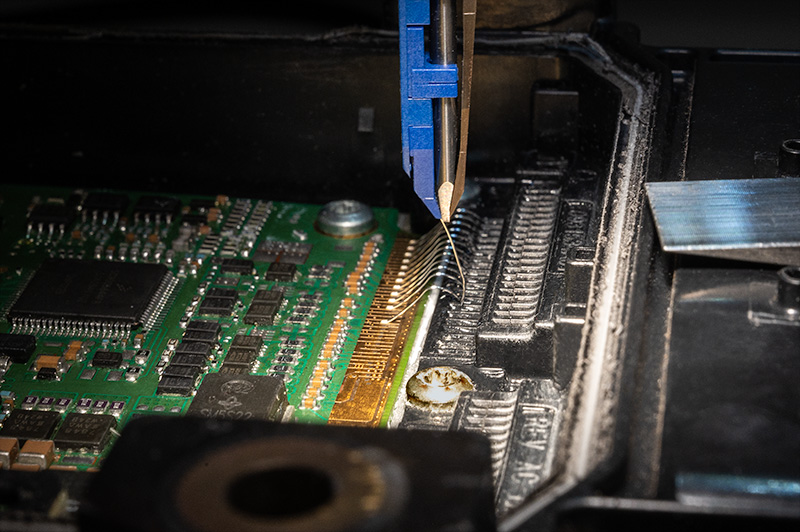
トランスミッション制御モジュール(TCM)に使用されるプリント基板のクローン作成には、接地構造とラインノイズ制御に細心の注意を払う必要があります。バックホーローダーでは、TCM PCBが自動ギアシフトとトルク配分を制御し、センサー、油圧アクチュエータ、車両制御ネットワーク間の信号を調整します。これらのシステムは大電流・高振動環境で動作するため、接地ノイズは信号精度と通信安定性に大きく影響する可能性があります。PWBクローン作成プロジェクトでは、エンジニアは単に銅配線をコピーするだけでなく、接地プレーン、フィルタリングネットワーク、信号リファレンスパスの背後にある電気的な意図を復元する必要があります。リバースエンジニアリング技術を用いることで、エンジニアは回路ロジックを復元し、元の動作を再現すると同時に、複製された基板が安定したギアシフトタイミングとトルク制御を維持することが可能になります。

The final stage of the PWB clone process involves prototype validation and preparation for remanufacture. Once engineers restore all documentationincluding the schematic diagram, bom list, netlist, layout drawing, and Gerber file—prototype PCBs are fabricated to confirm performance. Electrical testing verifies that the duplicated board communicates correctly with sensors and actuators while maintaining low noise levels across grounding networks. Environmental testing, such as vibration and temperature cycling, ensures that the remanufactured board can withstand the harsh environment of backhoe loader operations. Through careful reverse engineering, disciplined documentation recovery, and strategic grounding analysis, organizations can confidently reproduce and replicate TCM printed wiring boards. This systematic cloning approach ensures reliable transmission control while also supporting refurbishment and long-term redevelopment of heavy machinery electronics.
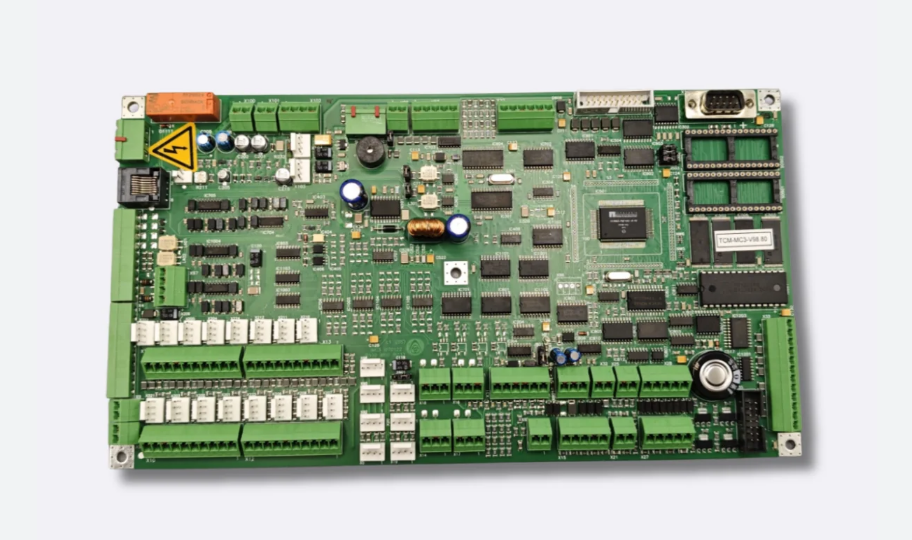
ट्रांसमिशन कंट्रोल मॉड्यूल (TCM) में इस्तेमाल होने वाले प्रिंटेड वायरिंग बोर्ड की क्लोनिंग के लिए ग्राउंडिंग स्ट्रक्चर और लाइन नॉइज़ कंट्रोल पर ध्यान देने की ज़रूरत होती है। बैकहो लोडर में, TCM PCB ऑटोमैटिक गियर शिफ्टिंग और टॉर्क डिस्ट्रीब्यूशन को कंट्रोल करता है, सेंसर, हाइड्रोलिक एक्चुएटर और गाड़ी के कंट्रोल नेटवर्क के बीच सिग्नल को कोऑर्डिनेट करता है। क्योंकि ये सिस्टम हाई-करंट, हाई-वाइब्रेशन वाले माहौल में काम करते हैं, इसलिए ग्राउंडिंग नॉइज़ सिग्नल की सटीकता और कम्युनिकेशन स्टेबिलिटी पर काफ़ी असर डाल सकता है। PWB क्लोन प्रोजेक्ट के दौरान, इंजीनियरों को सिर्फ़ कॉपर ट्रेस कॉपी करने से ज़्यादा कुछ करना होता है; उन्हें ग्राउंडिंग प्लेन, फ़िल्टरिंग नेटवर्क और सिग्नल रेफरेंस पाथ के पीछे के इलेक्ट्रिकल इरादे को रिकवर करना होता है। रिवर्स इंजीनियरिंग तकनीक इंजीनियरों को सर्किट लॉजिक को रिस्टोर करने और ओरिजिनल बिहेवियर को फिर से बनाने की इजाज़त देती है, साथ ही यह पक्का करती है कि बनाया गया बोर्ड स्टेबल गियर-शिफ्ट टाइमिंग और टॉर्क कंट्रोल बनाए रखे।