


Prototype PWB Reverse Engineering
The development and support of electric vehicle (EV) technology rely heavily on high-performance electronic assemblies, particularly inverter power boards that manage the conversion of DC to AC for motor drive. When the original design documents are unavailable, Prototype PWB Reverse Engineering offers a practical solution. This process allows engineers to recover, restore, and recreate the full documentation set of an inverter board, and then build a prototype to validate accuracy before moving into full-scale production.
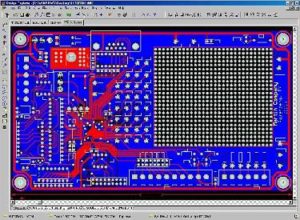
The first step in Prototype PWB Reverse Engineering involves a thorough analysis of the inverter board. Engineers examine each layer, map out copper traces, and identify both active and passive components. This analysis results in critical deliverables, including:
- Gerber file – essential for fabricating the bare PWB, defining copper layers, solder masks, and drill positions.
- Schematic diagram – providing a logical map of the circuitry to support troubleshooting, redesign, or redevelopment.
- Layout drawing – showing physical component placement and routing for accurate assembly.
- BOM list – cataloging every part, from high-power IGBTs to control ICs, enabling precise procurement.
- Netlist – validating connectivity to ensure electrical performance matches the original design.
Together, these files enable engineers to clone, copy, or replicate the inverter PWB with precision.
From Bare Board to Functional Prototype
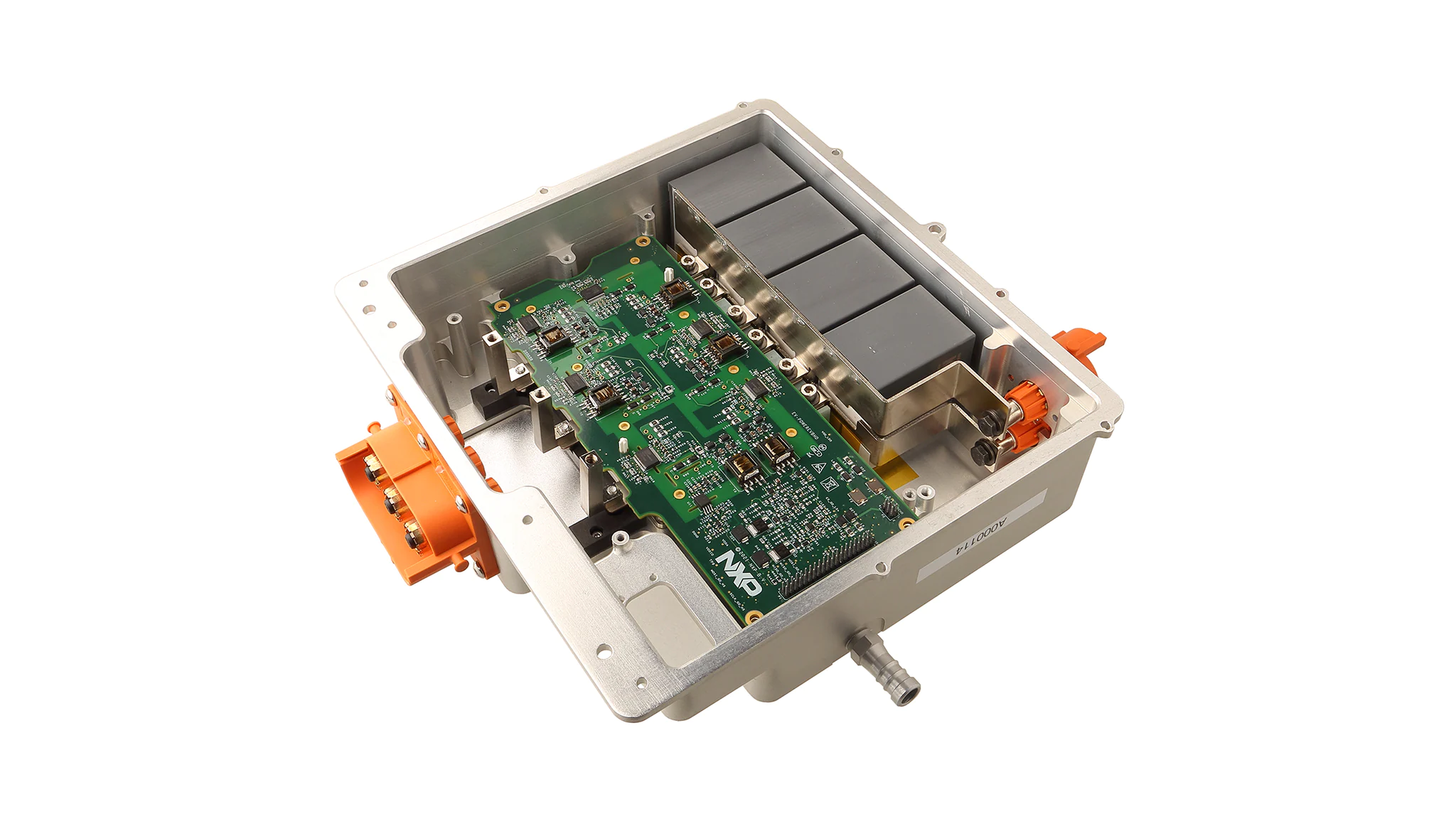
Once the documentation is complete, the Gerber files and layout drawings are used to reproduce the bare board. EV inverter boards are often multilayered with strict insulation and heat dissipation requirements, making this step especially critical. Quality checks are performed on copper thickness, via integrity, and overall dimensions.
Next, components are sourced according to the BOM list. If some parts are obsolete, alternatives are carefully selected to refurbish or redesign the board without compromising performance. After procurement, the board moves into assembly, where each component is placed and soldered in alignment with the layout drawing and verified using the netlist.
Should-cost of PWB Reverse Engineering:
Data development of PWB reverse engineering. Should-cost data may be developed using actual quotations from suggested sources of supply developed during the procurement process.
Actual costs and schedules of PWB reverse engineering, The reverse engineering PWB cost estimate and schedule (see. 5.11) should be updated to reflect the actual costs and schedules resulting from the production review.
Results of electronic circuit board cloning. The candidate file should be updated to include the results of the production review.
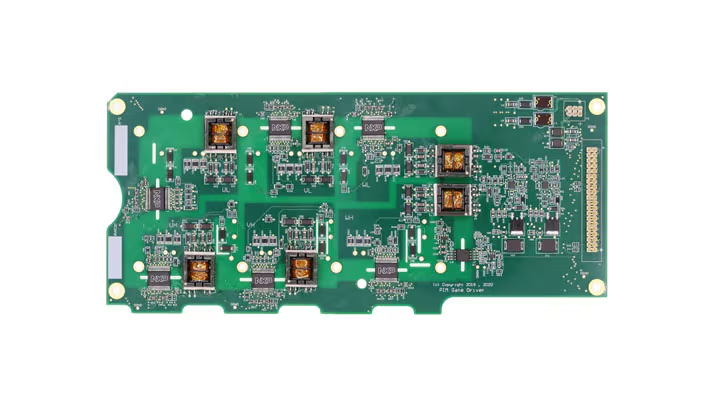
The prototype phase is central to the entire Prototype PWB Reverse Engineering process. A prototype acts as the practical proof that the recreated documentation is correct. By testing the prototype under simulated EV operating conditions—handling high currents, thermal stress, and signal control—engineers can confirm that the board meets functional, reliability, and safety requirements. Any discrepancies identified during this stage allow for fine-tuning and redevelopment of the data before full-scale manufacturing.
Value to the EV Industry
For electric vehicle manufacturers and service providers, Prototype PWB Reverse Engineering brings immense value. It enables the restoration of legacy inverter designs, the duplication of discontinued parts, and the redevelopment of boards for next-generation vehicles. More importantly, it helps secure supply continuity and protects investments in EV fleets by ensuring critical components remain available even when original suppliers discontinue support.
Prototype production of PWB reverse engineering:
Prototype production objective of PWB reverse engineering. Prototype production involves the manufacture and testing of the prototype to determine if it meets all required specifications.
Sub-contracting of PWB reverse engineering. All prototype manufacturing should be sub-contracted to prove the adequacy of the preliminary TDP. When assembly and testing procedures are part of the technical data package, the entire assembly should be completed. Testing that is not a normal function of the manufacturing industry may be sub-contracted.
Record maintenance of pcb card reverse engineering. A record should be maintained of all subcontractor requests for waiver or deviation, and the cognizant engineer should review all such requests. All discussions with the vendors should include participation by the cognizant contracts or procurement personnel.
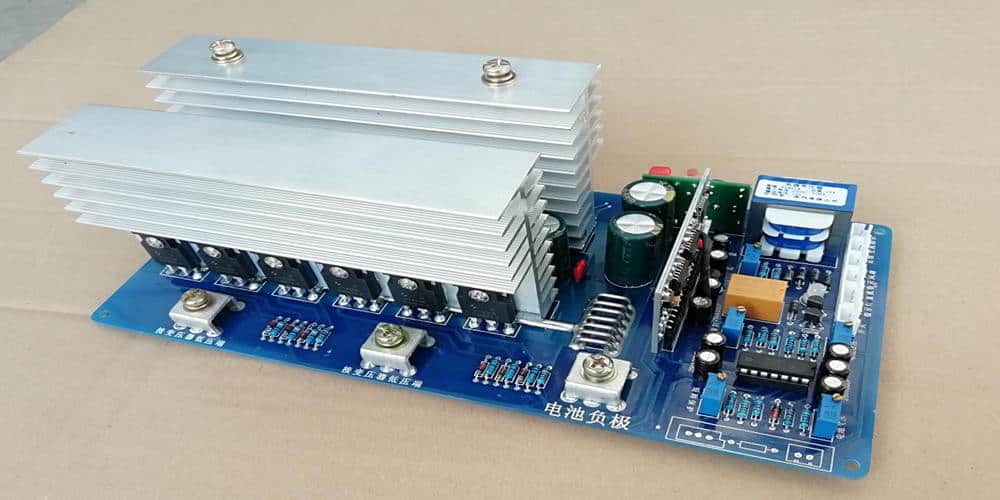
In summary, Prototype PWB Reverse Engineering is not merely about copying existing hardware—it is about building a bridge from lost documentation to fully functional, validated prototypes. Through reverse engineering, procurement, production, and assembly, companies can ensure the long-term viability of their electric vehicle systems and confidently move forward with both maintenance and innovation.
Circuit Engineering Company Limited provide a complete PCB Reverse Engineering, PCB Clone and PCB Restoration service, Rapid Prototyping and functional test services using the latest technologies combined with traditional skills for a wide range of industries. By integrating our traditional skills with the latest technologies, we can offer clients a comprehensive portfolio of product development services all under one roof. For more details please contact our customer service team.
Tags: double side pwb reverse engineering,flexible pwb reverse engineering,klon płytka drukowana artwork,klon płytka drukowana bom,klon płytka drukowana component list,klon płytka drukowana design,klon płytka drukowana gerber file,klon płytka drukowana layout,klon płytka drukowana part list,klon płytka drukowana schematic,multilayer pwb reverse engineering,rigid flex pwb reverse engineering,single side pwb reverse engineering