PCB Reverse Engineering, PCB Clone & PCB Copy Services

Transmission Control Module PCBA Replication

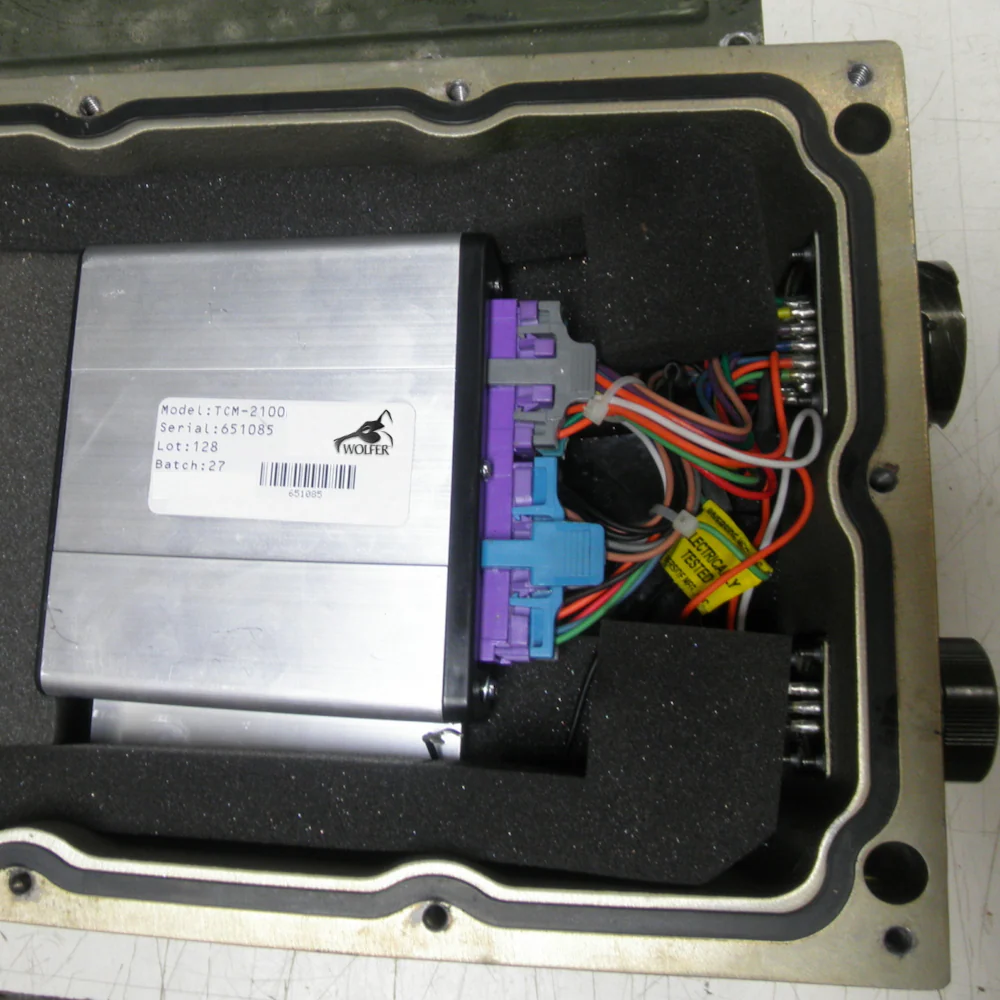
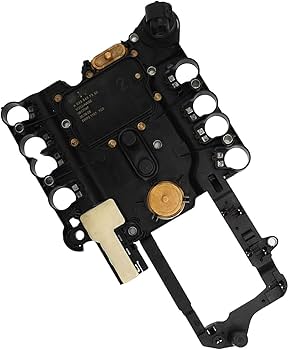
The Transmission Control Module PCBA Replication process plays a vital role in the restoration and reproduction of advanced electronic systems used in heavy machinery such as excavators. The Transmission Control Module (TCM) is responsible for managing automatic gear shifting, clutch engagement, and torque distribution, ensuring smooth operation under varying load conditions. When such control boards become obsolete or damaged, reverse engineering and replication offer a reliable path to recover and restore the design for continued production and service support.
Der Replikationsprozess für Leiterplatten des Getriebesteuergeräts (TCM) spielt eine entscheidende Rolle bei der Instandsetzung und Reproduktion komplexer elektronischer Systeme, die in Baumaschinen wie Baggern eingesetzt werden. Das TCM ist für die Steuerung des automatischen Gangwechsels, des Kupplungseingriffs und der Drehmomentverteilung verantwortlich und gewährleistet so einen reibungslosen Betrieb unter verschiedenen Lastbedingungen. Wenn solche Steuerplatinen veraltet oder beschädigt sind, bieten Reverse Engineering und Replikation eine zuverlässige Möglichkeit, das Design wiederherzustellen und die Produktion sowie den Kundendienst fortzusetzen. Der Replikationsprozess beginnt mit der Demontage und Prüfung der originalen Leiterplatte. Ingenieure reinigen und überholen die Platine zunächst, um sicherzustellen, dass jedes Bauteil, jede Leiterbahn und jede Lötstelle eindeutig analysiert werden kann. Mithilfe hochauflösender optischer und Röntgenscans erfassen sie die physische Struktur und wandeln sie in eine digitale Layoutzeichnung um. Dieser Schritt ermöglicht die präzise Zuordnung von Kupferleitungen, Durchkontaktierungen und Mehrlagenverbindungen innerhalb der TCM-Schaltung. Sobald die Leiterbahnen identifiziert sind, wird die Gerber-Datei erstellt, die als Fertigungsvorlage für die Herstellung der neuen Leiterplatte dient.

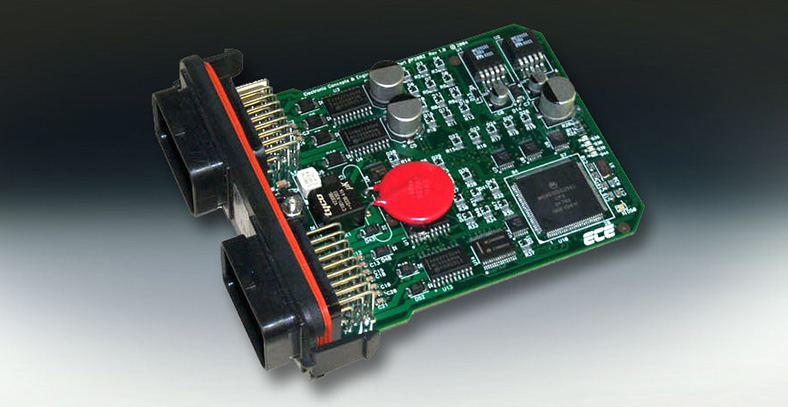
The replication procedure begins with the disassembly and inspection of the original PCBA (Printed Circuit Board Assembly). Engineers first clean and refurbish the board to ensure every component, trace, and solder pad can be analyzed clearly. Using high-resolution optical and X-ray scanning, they recover the physical structure and convert it into a digital layout drawing. This step allows for the precise mapping of copper routing, vias, and multilayer connections within the TCM’s circuit. Once the traces are identified, the next goal is to recreate the Gerber file, which serves as the manufacturing blueprint for fabricating the new PCB.
Eletrical Baking Pan PCBA Replicate

As a dedicated PCB reverse engineering company, we have been engaged in single side, double side and multilayer PCBA replicate (clone), IC Crack, PCBA manufacture and prototype production., etc. combine with most updated EDA design software, professional PCBA replicate engineers and advanced technology, we can replicate single side, double side, and multilayer (max 32 layers) PCBA. And replicate different kinds of PCBA with blind / buried vias and 2nd phase research and development is available in view of customer to satisfy customer further expectation. Regarding to the Eletrical baking pan electronic printed circuit board Replication is a new progress and typical sample we made, below are some instruction about this PCBA:
Le processus de réplication des cartes de circuits imprimés (PCBA) des modules de commande de transmission joue un rôle essentiel dans la restauration et la reproduction des systèmes électroniques de pointe utilisés dans les engins lourds tels que les excavatrices. Le module de commande de transmission (TCM) gère le passage automatique des vitesses, l'engagement de l'embrayage et la répartition du couple, garantissant ainsi un fonctionnement optimal quelles que soient les conditions de charge. Lorsque ces cartes de commande deviennent obsolètes ou endommagées, la rétro-ingénierie et la réplication offrent une solution fiable pour récupérer et restaurer la conception, permettant ainsi la continuité de la production et du service après-vente. La procédure de réplication débute par le démontage et l'inspection de la carte PCBA d'origine. Les ingénieurs nettoient et remettent en état la carte afin de garantir une analyse précise de chaque composant, piste et pastille de soudure. À l'aide de la numérisation optique et radiographique haute résolution, ils reconstituent la structure physique et la convertissent en un schéma numérique. Cette étape permet un routage précis du cuivre, des vias et des connexions multicouches au sein du circuit du TCM. Une fois les pistes identifiées, l'objectif suivant est de recréer le fichier Gerber, qui sert de plan de fabrication pour la production de la nouvelle carte PCB.
Le processus de réplication des cartes de circuits imprimés (PCBA) des modules de commande de transmission joue un rôle essentiel dans la restauration et la reproduction des systèmes électroniques de pointe utilisés dans les engins lourds tels que les excavatrices. Le module de commande de transmission (TCM) gère le passage automatique des vitesses, l’engagement de l’embrayage et la répartition du couple, garantissant ainsi un fonctionnement optimal quelles que soient les conditions de charge. Lorsque ces cartes de commande deviennent obsolètes ou endommagées, la rétro-ingénierie et la réplication offrent une solution fiable pour récupérer et restaurer la conception, permettant ainsi la continuité de la production et du service après-vente. La procédure de réplication débute par le démontage et l’inspection de la carte PCBA d’origine. Les ingénieurs nettoient et remettent en état la carte afin de garantir une analyse précise de chaque composant, piste et pastille de soudure. À l’aide de la numérisation optique et radiographique haute résolution, ils reconstituent la structure physique et la convertissent en un schéma numérique. Cette étape permet un routage précis du cuivre, des vias et des connexions multicouches au sein du circuit du TCM. Une fois les pistes identifiées, l’objectif suivant est de recréer le fichier Gerber, qui sert de plan de fabrication pour la production de la nouvelle carte PCB.

1         This product use Blowing machine to blow GAS and air mixture with the best ratio into the guts of baking pan to achieve the highest efficiency of flaming for the sake of saving resource;

2         Inside the baking pan has the automatically flameout system, “IC” flame detecting system will automatically cut off the gas source and alarm whenever power off, gas depletion or other cases.

3         Two square meter will control the upper and lower temperature separately, temperature is adjustable, and digital parameter is visible, even baking temperature;

4         Facility is made by stainless steel and durability is good.

After the Gerber file is verified, attention turns to restoring the schematic diagram and netlist. These documents define the logical and electrical relationships between components, from the main microcontroller and power drivers to sensors and feedback circuits. The schematic diagram is crucial for understanding how the TCM interprets input signals (like engine RPM and vehicle speed) and outputs precise control to solenoids or hydraulic actuators. The netlist, on the other hand, ensures that every electrical connection matches the original design before remanufacture.
Il processo di replicazione del PCBA del modulo di controllo della trasmissione svolge un ruolo fondamentale nel restauro e nella riproduzione di sistemi elettronici avanzati utilizzati in macchinari pesanti come gli escavatori. Il modulo di controllo della trasmissione (TCM) è responsabile della gestione del cambio automatico, dell'innesto della frizione e della distribuzione della coppia, garantendo un funzionamento regolare in condizioni di carico variabili. Quando tali schede di controllo diventano obsolete o danneggiate, il reverse engineering e la replicazione offrono un percorso affidabile per recuperare e ripristinare il progetto per la produzione continua e il supporto di assistenza. La procedura di replicazione inizia con lo smontaggio e l'ispezione del PCBA (Printed Circuit Board Assembly) originale. Gli ingegneri puliscono e ricondizionano innanzitutto la scheda per garantire che ogni componente, traccia e piazzola di saldatura possa essere analizzato chiaramente. Utilizzando la scansione ottica e a raggi X ad alta risoluzione, recuperano la struttura fisica e la convertono in un disegno di layout digitale. Questa fase consente la mappatura precisa del routing in rame, dei via e delle connessioni multistrato all'interno del circuito del TCM. Una volta identificate le tracce, l'obiettivo successivo è ricreare il file Gerber, che funge da modello di produzione per la fabbricazione del nuovo PCB.
Il processo di replicazione del PCBA del modulo di controllo della trasmissione svolge un ruolo fondamentale nel restauro e nella riproduzione di sistemi elettronici avanzati utilizzati in macchinari pesanti come gli escavatori. Il modulo di controllo della trasmissione (TCM) è responsabile della gestione del cambio automatico, dell’innesto della frizione e della distribuzione della coppia, garantendo un funzionamento regolare in condizioni di carico variabili. Quando tali schede di controllo diventano obsolete o danneggiate, il reverse engineering e la replicazione offrono un percorso affidabile per recuperare e ripristinare il progetto per la produzione continua e il supporto di assistenza. La procedura di replicazione inizia con lo smontaggio e l’ispezione del PCBA (Printed Circuit Board Assembly) originale. Gli ingegneri puliscono e ricondizionano innanzitutto la scheda per garantire che ogni componente, traccia e piazzola di saldatura possa essere analizzato chiaramente. Utilizzando la scansione ottica e a raggi X ad alta risoluzione, recuperano la struttura fisica e la convertono in un disegno di layout digitale. Questa fase consente la mappatura precisa del routing in rame, dei via e delle connessioni multistrato all’interno del circuito del TCM. Una volta identificate le tracce, l’obiettivo successivo è ricreare il file Gerber, che funge da modello di produzione per la fabbricazione del nuovo PCB.

Next, engineers generate a complete BOM list (Bill of Materials). The BOM list includes details for every resistor, capacitor, MOSFET, and integrated circuit used in the TCM. During the redevelopment phase, sourcing equivalent parts becomes essential, especially when older components are discontinued. Selecting replacements that match voltage ratings, timing, and thermal tolerances requires careful evaluation to prevent operational mismatches in torque control or gear shifting performance.
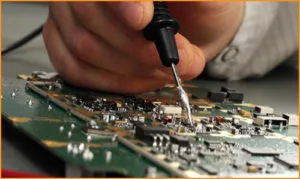
Eletrical Baking Pan PCB board Replicate

Technology Parameter:

1          Part number: HJD

2          Measurement: 91*60*74cm

3         Gas consumption: approx 0.4kg/h

4         Voltage: 220V

5         Power: 100W

6         Weight: 80KG

Once all the documentation—Gerber file, schematic diagram, layout drawing, netlist, and BOM list—is finalized, the bare board production begins. The new PCB is reproduced and assembled using automated pick-and-place machines guided by the BOM list and layout drawing. After assembly, the replicated Transmission Control Module PCBA undergoes functional and endurance testing. Engineers verify signal integrity, power stability, and thermal reliability to ensure that the replicated unit performs identically to the original.

Converting the reverse engineered documents into actual production involves strict quality control measures. Attention must be paid to material selection, PCB layer alignment, soldering temperature profiles, and firmware compatibility. Even slight deviations during redesign or assembly could lead to communication errors between the TCM and the vehicle’s Engine Control Unit (ECU). Therefore, replication teams must apply advanced quality assurance techniques, including circuit simulation and on-vehicle validation.
El proceso de replicación de PCBA del Módulo de Control de Transmisión (TCM) desempeña un papel fundamental en la restauración y reproducción de sistemas electrónicos avanzados utilizados en maquinaria pesada, como excavadoras. El TCM gestiona el cambio automático de marchas, el acoplamiento del embrague y la distribución del par, garantizando un funcionamiento óptimo bajo diversas condiciones de carga. Cuando estas placas de control se vuelven obsoletas o se dañan, la ingeniería inversa y la replicación ofrecen una vía fiable para recuperar y restaurar el diseño, permitiendo así la continuidad de la producción y el soporte técnico. El procedimiento de replicación comienza con el desmontaje e inspección de la PCBA original. Los ingenieros limpian y reacondicionan la placa para asegurar que cada componente, pista y punto de soldadura pueda analizarse con claridad. Mediante escaneo óptico y de rayos X de alta resolución, recuperan la estructura física y la convierten en un plano digital. Este paso permite el mapeo preciso del enrutamiento del cobre, las vías y las conexiones multicapa dentro del circuito del TCM. Una vez identificadas las pistas, el siguiente paso es recrear el archivo Gerber, que sirve como plano de fabricación para la elaboración de la nueva PCB.

The Transmission Control Module PCBA Replication process not only enables continued use of valuable heavy equipment but also supports reproduction of legacy systems that might otherwise become unusable. This reverse engineering service helps companies duplicate, clone, or redesign control electronics to reduce downtime and extend the operational lifespan of their machinery. However, challenges such as accurately copying multilayer boards, verifying hidden vias, and sourcing obsolete components demand expertise and precision tools.

In conclusion, Transmission Control Module PCBA Replication is a sophisticated blend of reverse engineering, remanufacture, and redevelopment that allows critical control electronics to be recreated and replicated with full functionality. By systematically recovering technical documents—Gerber files, schematic diagrams, and BOM lists—and converting them into new, high-performance hardware, industries can sustain equipment reliability and achieve long-term cost efficiency even after original designs are no longer available.