"Everything we build starts with design engineering. CECL manufactured boards for one of our products. It went perfectly – a real success.It is really an high quality service they have provided to us!"
By Nile Smith from Sinotech Inc.
“We had several very old device with obsolete boards need to be replaced –through CECL professional service.We got what we needed, and we’ve been using the results of the work without any problem till now.”
By Richard Anderson from TWP system Inc.
"Guys from CECL manufacture PCBs we use in one of our products, a clinometer and we’ve never had a problem with anything. The boards come in, they work. And, their team is very responsive."
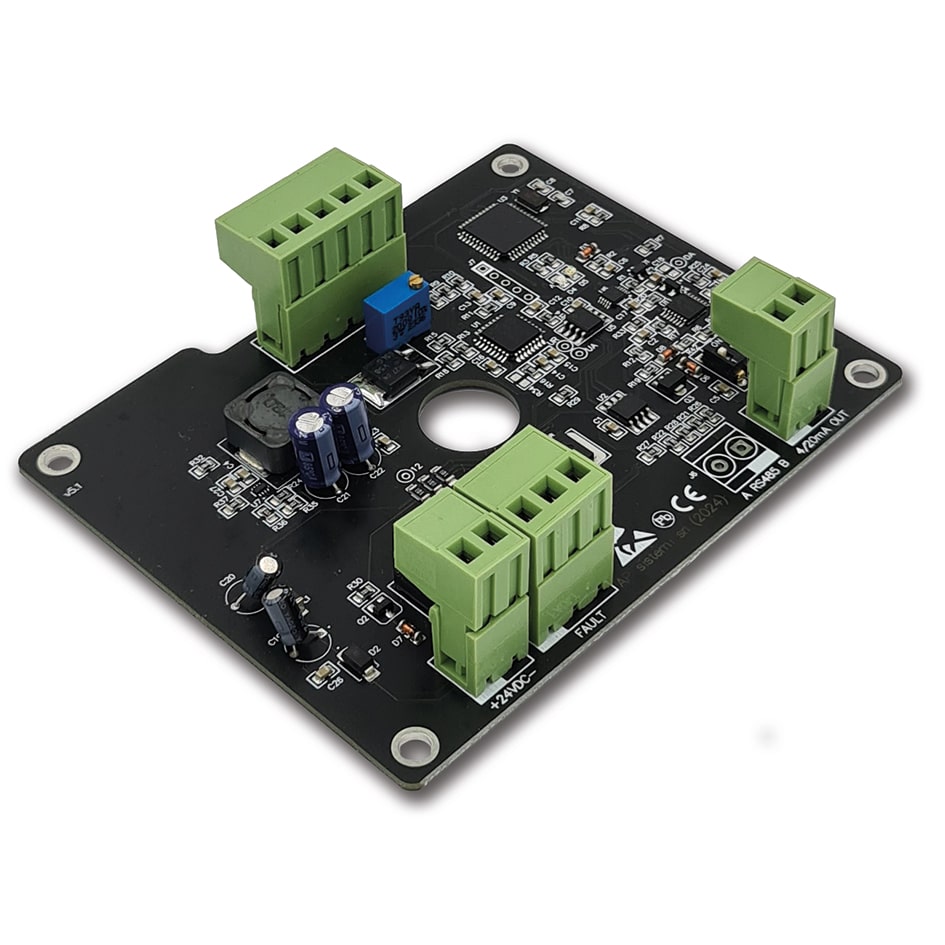
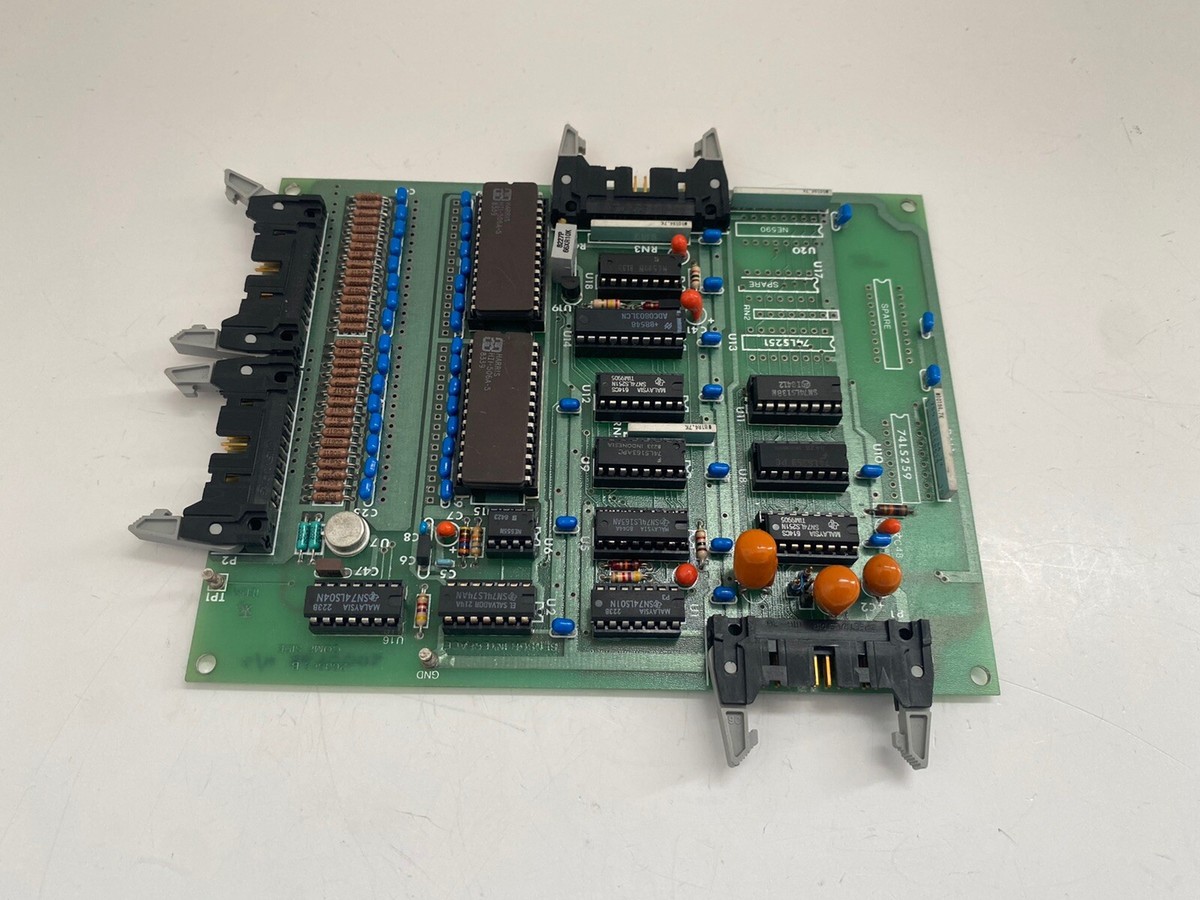
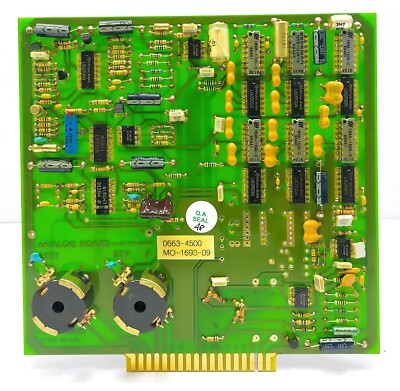
The PCB reverse engineering pre-preparation process is a critical foundation for successfully handling sensor interface boards used in bulldozers. These boards manage pressure, tilt, temperature, and proximity sensors, directly influencing machine safety, stability, and operational accuracy. Before any reverse engineering activity begins, engineers must evaluate the physical condition, application environment, and functional role of the PCB.
Die Vorbereitung des Reverse Engineering von Leiterplatten ist eine entscheidende Grundlage für die erfolgreiche Handhabung von Sensorschnittstellenplatinen in Bulldozern. Diese Platinen steuern Druck-, Neigungs-, Temperatur- und Näherungssensoren und beeinflussen somit direkt die Sicherheit, Stabilität und Betriebsgenauigkeit der Maschine. Vor Beginn der Reverse-Engineering-Aktivitäten müssen die Ingenieure den physischen Zustand, die Einsatzumgebung und die Funktion der Leiterplatte bewerten. Eine sorgfältige Vorbereitung gewährleistet, dass spätere Schritte wie die Wiederherstellung und Instandsetzung effizient und präzise ablaufen. Zu den ersten Schritten gehören typischerweise die Reinigung der Platine, die Dokumentation der Teilenummern, die Erfassung der Pinbelegung der Anschlüsse und die Anfertigung hochauflösender Bilder. Diese Vorarbeit ermöglicht es den Ingenieuren, die Nachbildung oder Reproduktion der Platine zu planen und gleichzeitig das Risiko einer Beschädigung empfindlicher Sensorschaltungen während der Analyse zu minimieren. Der nächste Schwerpunkt der Vorbereitung liegt auf der Bauteil- und Materialprüfung, wobei die Stückliste eine entscheidende Rolle spielt. Die Ingenieure erfassen alle aktiven und passiven Bauteile und notieren Toleranzen, Gehäusetypen und Verfügbarkeit. Dieser Schritt unterstützt spätere Entscheidungen zur Wiederaufbereitung oder Überholung, insbesondere wenn die Originalbauteile veraltet sind. Beim Reverse Engineering ist es üblich, bestimmte Abschnitte neu zu gestalten oder weiterzuentwickeln, um die Beschaffung oder Zuverlässigkeit zu verbessern. Eine sorgfältige Vorbereitung stellt jedoch sicher, dass diese Änderungen funktional gleichwertig bleiben. Der Abgleich von Bauteilwerten mit gemessenen Signalen hilft, Annahmen zu validieren, bevor Schaltplan und Netzliste neu erstellt werden. In dieser Phase sind Begriffe wie Wiederherstellung, Rekonstruktion und Nachbildung eng mit Genauigkeit und Rückverfolgbarkeit verknüpft.
Proper pre-preparation ensures that later steps such as recover and restore are efficient and accurate. Initial actions typically include cleaning the board, documenting part numbers, recording connector pin definitions, and capturing high-resolution images. This groundwork allows engineers to plan how to recreate or reproduce the board while minimizing the risk of damaging sensitive sensor circuits during analysis.
One of the most important pre-preparation stages focuses on data collection and documentation, where keywords like schematic diagram, layout drawing, netlist, and Gerber file become central. Engineers begin by identifying board layers, signal routing density, and grounding structures. Power domains for different sensors are carefully inspected, since pressure and temperature sensors often require different reference voltages and filtering methods. During this phase, reverse engineering teams create an initial logical map of the PCB, which helps later efforts to clone or copy the circuit accurately. Special attention is paid to analog signal paths, shielding strategies, and connector interfaces, as these areas are highly sensitive to noise and layout variation. A thorough pre-analysis dramatically improves the quality of any future duplicate or replicate work.
Le processus de préparation préalable à la rétro-ingénierie des cartes de circuits imprimés (PCB) est essentiel pour la manipulation réussie des cartes d’interface de capteurs utilisées dans les bulldozers. Ces cartes gèrent les capteurs de pression, d’inclinaison, de température et de proximité, influençant directement la sécurité, la stabilité et la précision opérationnelle de la machine. Avant toute activité de rétro-ingénierie, les ingénieurs doivent évaluer l’état physique, l’environnement d’application et le rôle fonctionnel de la PCB. Une préparation adéquate garantit l’efficacité et la précision des étapes ultérieures, telles que la récupération et la restauration. Les premières actions consistent généralement à nettoyer la carte, à documenter les références des composants, à enregistrer les définitions des broches des connecteurs et à capturer des images haute résolution. Ce travail préparatoire permet aux ingénieurs de planifier la reconstitution ou la reproduction de la carte tout en minimisant le risque d’endommager les circuits de capteurs sensibles lors de l’analyse. L’étape suivante de la préparation consiste à vérifier les composants et les matériaux, la nomenclature (BOM) étant déterminante. Les ingénieurs répertorient tous les composants actifs et passifs, en notant les tolérances, les types de boîtier et leur disponibilité. Cette étape facilite les décisions ultérieures de remise à neuf ou de reconditionnement, notamment lorsque les composants d’origine sont obsolètes. Lors de la rétro-ingénierie, il est courant de repenser ou de redévelopper certaines sections pour améliorer l’approvisionnement ou la fiabilité, mais une préparation préalable garantit que ces modifications restent fonctionnellement équivalentes. La vérification croisée des valeurs des composants avec les signaux mesurés permet de valider les hypothèses avant de recréer le schéma et la netlist. À ce stade, des termes clés tels que « récupérer », « restaurer » et « recréer » sont étroitement liés à la précision et à la traçabilité.
PCB Reverse Engineering Pre-preparation Process is undergoing a development process, accompany with the decreasing size of PCB dimension and increasing component density, Printed circuit board complexity level is raising up. How to realize the high layout yield rate and shorten the reverse engineering time cycle become a hot subject of PCB reverse engineering.
PCB Reverse Engineering Pre-preparation Process
Before we get start to reverse engineering a PCB, analysis must be done as well as the installation of reverse engineering software which can help to make the PCB reverse engineering more reasonable and reliable.
First step is decide the PCB layer count:
PCB Dimension and layer count must be decided before the reverse engineering and layout. Since the layer count and the stack-up method will contribute directly to the PCB reverse engineering, layout and impedance. PCB dimension can serve to determine the PCB stack-UP method and track width and space to achieve the reverse engineering expectation. Currently the cost difference among different number of multilayer PCB is quite small. So it is better to choose the multilayer PCB and ensure the copper spreading is even.
Il processo di pre-preparazione del reverse engineering dei PCB è fondamentale per gestire con successo le schede di interfaccia dei sensori utilizzate nei bulldozer. Queste schede gestiscono sensori di pressione, inclinazione, temperatura e prossimità, influenzando direttamente la sicurezza, la stabilità e la precisione operativa della macchina. Prima di iniziare qualsiasi attività di reverse engineering, gli ingegneri devono valutare le condizioni fisiche, l’ambiente applicativo e il ruolo funzionale del PCB. Una corretta pre-preparazione garantisce che le fasi successive, come il recupero e il ripristino, siano efficienti e accurate. Le azioni iniziali includono in genere la pulizia della scheda, la documentazione dei codici prodotto, la registrazione delle definizioni dei pin dei connettori e l’acquisizione di immagini ad alta risoluzione. Questo lavoro di base consente agli ingegneri di pianificare come ricreare o riprodurre la scheda riducendo al minimo il rischio di danneggiare i circuiti dei sensori sensibili durante l’analisi. Il successivo obiettivo della pre-preparazione è la verifica dei componenti e dei materiali, in cui la distinta base gioca un ruolo decisivo. Gli ingegneri catalogano tutti i componenti attivi e passivi, annotando tolleranze, tipi di package e stato di disponibilità. Questo passaggio supporta le successive decisioni di rifabbricazione o ricondizionamento, soprattutto quando i componenti originali sono obsoleti. Durante il reverse engineering, è comune riprogettare o riprogettare alcune sezioni per migliorare l’approvvigionamento o l’affidabilità, ma la preparazione preliminare garantisce che queste modifiche rimangano funzionalmente equivalenti. Il controllo incrociato dei valori dei componenti con i segnali misurati aiuta a convalidare le ipotesi prima di ricreare lo schema elettrico e la netlist. In questa fase, parole chiave come recuperare, ripristinare e ricreare diventano strettamente legate all’accuratezza e alla tracciabilità.
Circuit Engineering Co.,Ltd. electronic engineering and manufacturing services produce a wide variety of products for its customers. In addition, Circuit Engineering Co.,Ltd. is a FDA registered Medical Device Manufacturer. Circuit Engineering Co.,Ltd. can produce small quantities of prototypes and pre-production units to large quantities such as the 50,000+ unit/year rate achieved on the Wand System.
Products range from simple cables and printed circuit card assemblies (through hole and automated SMT) to large scale systems that employ numerous complex units.
Attaining a Silver Certification Circuit Engineering Co.,Ltd. is included in the upper 3% of Boroing’s suppliers. Circuit Engineering Co.,Ltd. can provide services like PCB reverse engineering, PCB Board Clone, PCB Assemble Copy, Printed Circuit Board Replicate, Printed Wiring Board Duplicate, manufacturers Test Equipment, Printed Circuit Card Assemblies, Wiring and Cables for Boroing. Similar products are produced for the Air force and the Navy. Long Term agreements exist (since 2004) with Sunshine Aerospace for “Black boxes” used on Boeing and Aero spatial aircraft. Some of these products were also designed by Circuit Engineering Co.,Ltd..
PCB tersine mühendislik ön hazırlık süreci, buldozerlerde kullanılan sensör arayüz kartlarının başarılı bir şekilde işlenmesi için kritik bir temel oluşturur. Bu kartlar, basınç, eğim, sıcaklık ve yakınlık sensörlerini yöneterek makine güvenliğini, stabilitesini ve çalışma doğruluğunu doğrudan etkiler. Herhangi bir tersine mühendislik faaliyetine başlamadan önce, mühendisler PCB’nin fiziksel durumunu, uygulama ortamını ve fonksiyonel rolünü değerlendirmelidir. Doğru ön hazırlık, kurtarma ve geri yükleme gibi sonraki adımların verimli ve doğru olmasını sağlar. İlk işlemler genellikle kartın temizlenmesini, parça numaralarının belgelenmesini, konektör pin tanımlarının kaydedilmesini ve yüksek çözünürlüklü görüntülerin yakalanmasını içerir. Bu temel çalışma, mühendislerin analiz sırasında hassas sensör devrelerine zarar verme riskini en aza indirirken kartı nasıl yeniden oluşturacaklarını veya yeniden üreteceklerini planlamalarına olanak tanır. Bir sonraki ön hazırlık odağı, malzeme listesinin belirleyici bir rol oynadığı bileşen ve malzeme doğrulamasıdır. Mühendisler, toleransları, paket tiplerini ve bulunabilirlik durumunu not ederek tüm aktif ve pasif bileşenleri kataloglar. Bu adım, özellikle orijinal bileşenler eskimiş olduğunda, daha sonraki yeniden üretim veya yenileme kararlarını destekler. Tersine mühendislik sırasında, kaynak bulma veya güvenilirliği artırmak için belirli bölümlerin yeniden tasarlanması veya yeniden geliştirilmesi yaygındır, ancak ön hazırlık bu değişikliklerin işlevsel olarak eşdeğer kalmasını sağlar. Bileşen değerlerinin ölçülen sinyallerle karşılaştırılması, şematik diyagram ve netlist yeniden oluşturulmadan önce varsayımların doğrulanmasına yardımcı olur. Bu aşamada, kurtarma, geri yükleme ve yeniden oluşturma gibi anahtar kelimeler doğruluk ve izlenebilirlik ile yakından bağlantılı hale gelir.
Circuit Engineering Co.,Ltd. Systems electronic contract manufacturing is set apart form other firms because of its attention to detail. All efforts are reviewed by engineering. Discrepancies in manufacturing data are found and problems corrected before the product is built. This approach has produced customer commendations and loyalty. Every product is our product whether the customer or our name goes on it.
The next pre-preparation focus is component and material verification, where the bom list plays a decisive role. Engineers catalog all active and passive components, noting tolerances, package types, and availability status. This step supports later remanufacture or refurbish decisions, especially when original components are obsolete. During reverse engineering, it is common to redesign or redevelop certain sections to improve sourcing or reliability, but pre-preparation ensures that these changes remain functionally equivalent. Cross-checking component values against measured signals helps validate assumptions before recreating the schematic diagram and netlist. At this stage, keywords such as recover, restore, and recreate become tightly linked to accuracy and traceability.
Finally, the pre-preparation process concludes with manufacturability and risk assessment planning. Engineers evaluate whether the recovered layout drawing can be directly converted into production-ready Gerber file data or whether controlled redesign is required. Factors such as PCB stack-up, impedance consistency, and sensor signal isolation are reviewed to ensure reliable performance after reproduction. This stage also defines testing strategies for the cloned or duplicated board, including sensor calibration checks and environmental stress validation. By completing a structured PCB reverse engineering pre-preparation process, teams significantly improve success rates in later stages of reverse engineering, clone, and replicate projects. For bulldozer sensor interface boards, this disciplined approach ensures that restored documents can be confidently transformed into stable, scalable production solutions that support long-term equipment operation and maintenance.
PCB रिवर्स इंजीनियरिंग प्री-प्रेपरेशन प्रोसेस बुलडोज़र में इस्तेमाल होने वाले सेंसर इंटरफ़ेस बोर्ड को सफलतापूर्वक संभालने के लिए एक ज़रूरी आधार है। ये बोर्ड प्रेशर, टिल्ट, टेम्परेचर और प्रॉक्सिमिटी सेंसर को मैनेज करते हैं, जो सीधे मशीन की सेफ्टी, स्टेबिलिटी और ऑपरेशनल एक्यूरेसी पर असर डालते हैं। कोई भी रिवर्स इंजीनियरिंग एक्टिविटी शुरू होने से पहले, इंजीनियरों को PCB की फिजिकल कंडीशन, एप्लिकेशन एनवायरनमेंट और फंक्शनल रोल को इवैल्यूएट करना चाहिए। सही प्री-प्रेपरेशन यह पक्का करता है कि रिकवर और रिस्टोर जैसे बाद के स्टेप्स एफिशिएंट और एक्यूरेट हों। शुरुआती एक्शन में आमतौर पर बोर्ड को साफ करना, पार्ट नंबर डॉक्यूमेंट करना, कनेक्टर पिन डेफिनिशन रिकॉर्ड करना और हाई-रिज़ॉल्यूशन इमेज कैप्चर करना शामिल है। यह ग्राउंडवर्क इंजीनियरों को एनालिसिस के दौरान सेंसिटिव सेंसर सर्किट को नुकसान पहुंचाने के रिस्क को कम करते हुए बोर्ड को फिर से बनाने या रीप्रोड्यूस करने की प्लानिंग करने में मदद करता है। अगला प्री-प्रेपरेशन फोकस कंपोनेंट और मटीरियल वेरिफिकेशन है, जहां बॉम लिस्ट एक डिफाइनेंशियल रोल निभाती है। इंजीनियर सभी एक्टिव और पैसिव कंपोनेंट्स को कैटलॉग करते हैं, टॉलरेंस, पैकेज टाइप और अवेलेबिलिटी स्टेटस को नोट करते हैं। यह स्टेप बाद में रीमैन्युफैक्चर या रिफर्बिश डिसीजन को सपोर्ट करता है, खासकर जब ओरिजिनल कंपोनेंट्स ऑब्सोलीट हो जाते हैं। रिवर्स इंजीनियरिंग के दौरान, सोर्सिंग या रिलायबिलिटी को बेहतर बनाने के लिए कुछ सेक्शन को रीडिज़ाइन या रीडेवलप करना आम बात है, लेकिन पहले से तैयारी यह पक्का करती है कि ये बदलाव फंक्शनली इक्विवेलेंट रहें। मापे गए सिग्नल के साथ कंपोनेंट वैल्यू को क्रॉस-चेक करने से स्कीमैटिक डायग्राम और नेटलिस्ट को फिर से बनाने से पहले अजम्पशन को वैलिडेट करने में मदद मिलती है। इस स्टेज पर, रिकवर, रिस्टोर और रीक्रिएट जैसे कीवर्ड एक्यूरेसी और ट्रेसेबिलिटी से कसकर जुड़ जाते हैं।