


PCB Reverse Engineering Assembly Quality
When legacy or proprietary hardware lacks official manufacturing documentation, reverse engineering services become an essential bridge to modern production. Beyond simply recreating a physical piece of hardware, this specialized engineering process yields a comprehensive digital package—including precise CAD files, schematics, netlists, bill of materials (BOM) lists, and gerber data. The accuracy and quality of these generated documents directly dictate the success, yield rates, and reliability of subsequent manufacturing and assembly procedures.
The Foundation of Accuracy: From Physical Part to Digital Blueprint
The primary objective of reverse engineering is to translate a physical, often legacy component into an error-free digital blueprint. During this phase, any inaccuracies captured in the schematic diagram or layout drawing will inevitably propagate into the manufacturing line. High-end reverse engineering providers utilize advanced delayering, optical scanning, and netlist verification to ensure that every trace, via, and pad matches the electrical and mechanical intent of the original design. When these foundational documents are meticulously detailed, subsequent surface mount technology (SMT) and through-hole assembly processes run smoothly, drastically reducing bridge defects, misalignments, and electrical shorts.
Impact on Component Sourcing and BOM Integrity
An often-overlooked deliverable of a reverse engineering service is the creation of a comprehensive BOM list. In older or obsolete hardware, many electronic components may be end-of-life or completely unavailable. A professional reverse engineering team does not just list obsolete parts; they analyze functional equivalents and modern drop-in replacements. This meticulous BOM curation directly affects downstream procurement and assembly. Clean, well-documented BOM lists prevent assembly line stoppages caused by incorrect footprints, voltage mismatches, or obsolete part numbers, ensuring that component placement machines can populate the printed circuit board efficiently and without manual rework.
Optimization for Automated Assembly and Test Procedures
Manufacturing modern electronic assemblies relies heavily on automation, from automated optical inspection (AOI) and X-ray inspection (AXI) to in-circuit testing (ICT). The gerber data and CAD files generated through reverse engineering must be fully optimized for these automated systems. Precise coordinate mapping in the CAD files allows pick-and-place machines to position components with micron-level accuracy. Furthermore, accurate netlists enable automated test equipment to verify continuity and shorts quickly. If the reverse-engineered gerber files contain distorted pads or misaligned solder masks, automated assembly equipment will frequently trigger false alarms, lower first-pass yield rates, and increase labor-intensive manual inspection costs.
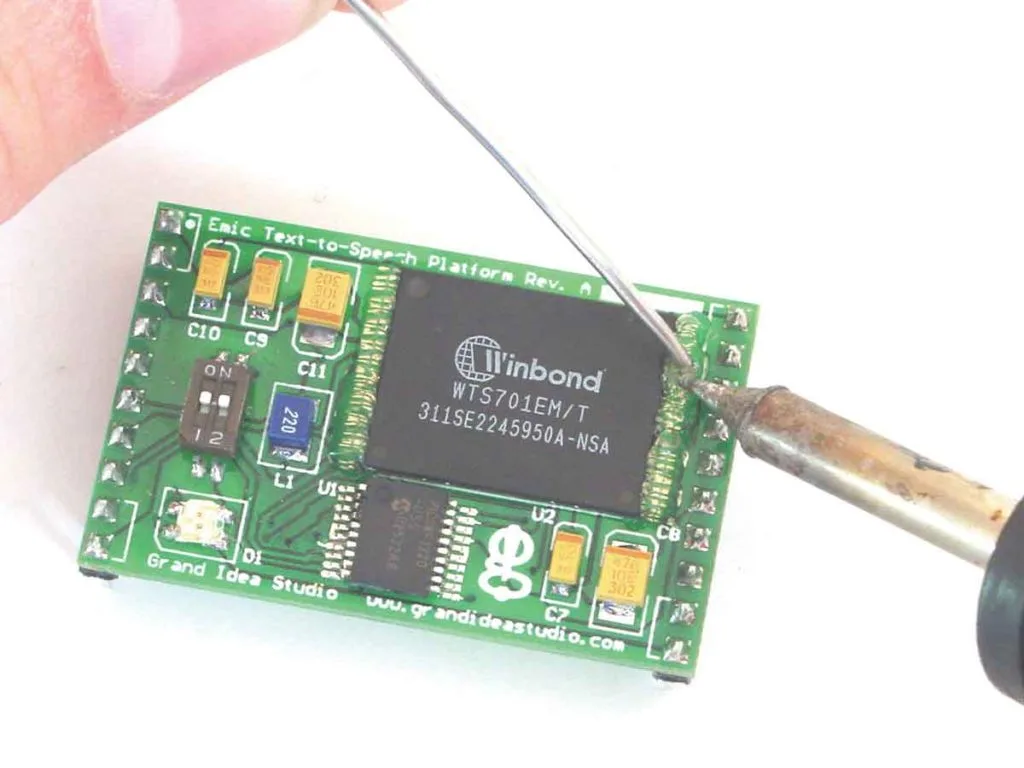
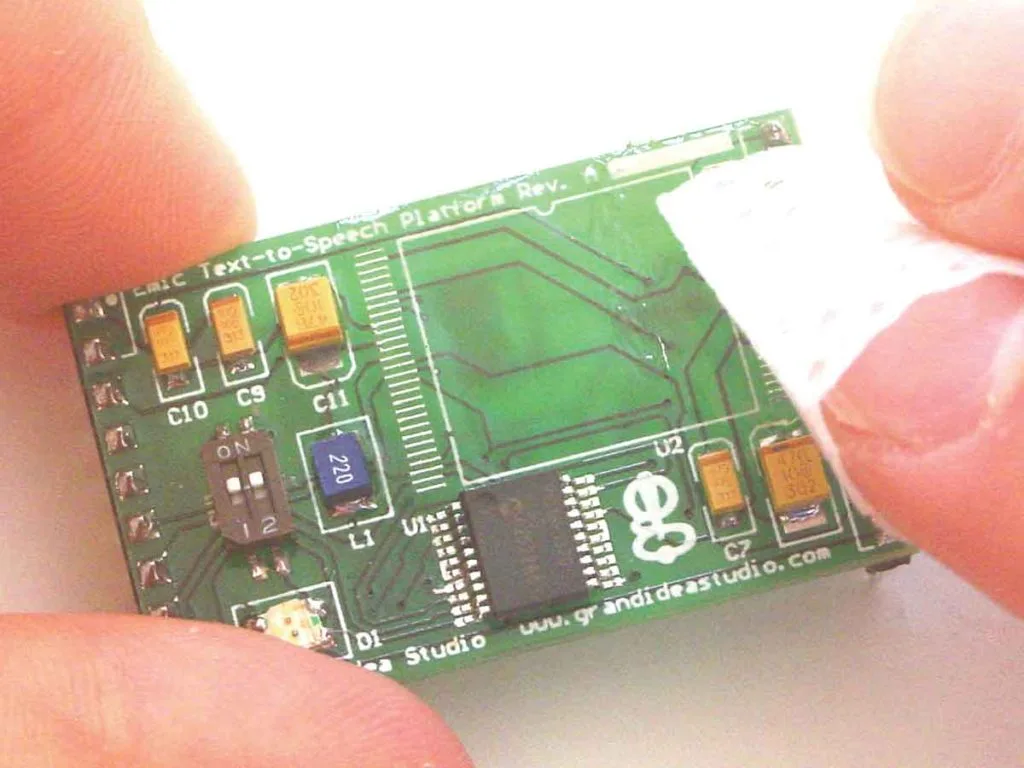
Printed Circuit Board Assembly Defects base upon the assembly file and orientation file from Gerber file by Reverse Engineering printed circuit board can be caused by several reasons, hereby we would like to introduce several reasons which affect the stability of assembly printed circuit board:
The solderability of printed circuit board hole will affect the assembly quality, if the holes don’t have a good solderability, cold soldering will occur and affect the component parameter in the printed circuit board, especially for multilayer printed circuit board will cause component and internal layer unreliability which will ultimately cause the malfunctioning of whole system.
Solderability of printed circuit board means the features of metallic surface after the solder tin melted down, and form a relative even, constant and smooth adhesive thin film on the surface before assembly printed circuit board. There are several items will affect the solderability of printed circuit board assembly which can be improved and solved properly by improve PCB design through Reverse Engineering technique:
1 component of solder tine and features of printed circuit board pad; solder tin is the most important ingredient of chemical processing when assembly printed circuit board, which was constituted by chemical ingredient containing flux. The most usual low melt down metal is SN-PB or SN-PB-AG.
2 soldering temperature and metal plate surface cleanness will also affect the printed circuit board assembly. If overheated, then the solder tin spreading speed will be faster and higher flexibility, which will cause the printed circuit board and solder tin surface oxidated immediately and bring the defect of printed circuit board assembly. If the surface of printed circuit board being contaminated will also caused the inferior assembly quality include solder tin ball and drop, open circuit and etc.
Ensuring Long-Term Reliability and Thermal Performance
Ultimately, the ultimate test of reverse-engineering quality is the long-term reliability of the final assembled product. Poorly mapped internal power planes or incorrect dielectric stack-up specifications in the manufacturing data can lead to severe thermal dissipation issues, signal attenuation, and electromagnetic interference. Conversely, high-fidelity documentation ensures that the fabricated printed circuit board maintains optimal impedance control and structural integrity. When subsequent manufacturers build from pristine, verified reverse-engineering data, the resulting assemblies exhibit the same durability, stress tolerance, and performance as factory-original units.
Conclusion
Reverse engineering is far more than a copying mechanism; it is a critical engineering discipline that sets the quality ceiling for all future manufacturing steps. By investing in precise schematics, accurate BOM lists, and flawless gerber data, organizations can eliminate downstream assembly defects, streamline automated production lines, and guarantee that resurrected hardware performs reliably in the field.