


PCB Plate Reverse Engineering
In modern industrial automation, precision motor controllers serve as the driving force behind high-speed robotics, conveyor systems, and heavy manufacturing machinery. When these vital control units experience sudden operational failures and original equipment manufacturers stop supporting legacy hardware, plant operators face severe productivity losses. To bypass costly system replacements and prolonged factory downtime, industrial facilities increasingly turn to specialized technical services to revive obsolete hardware and ensure continuous operational continuity.
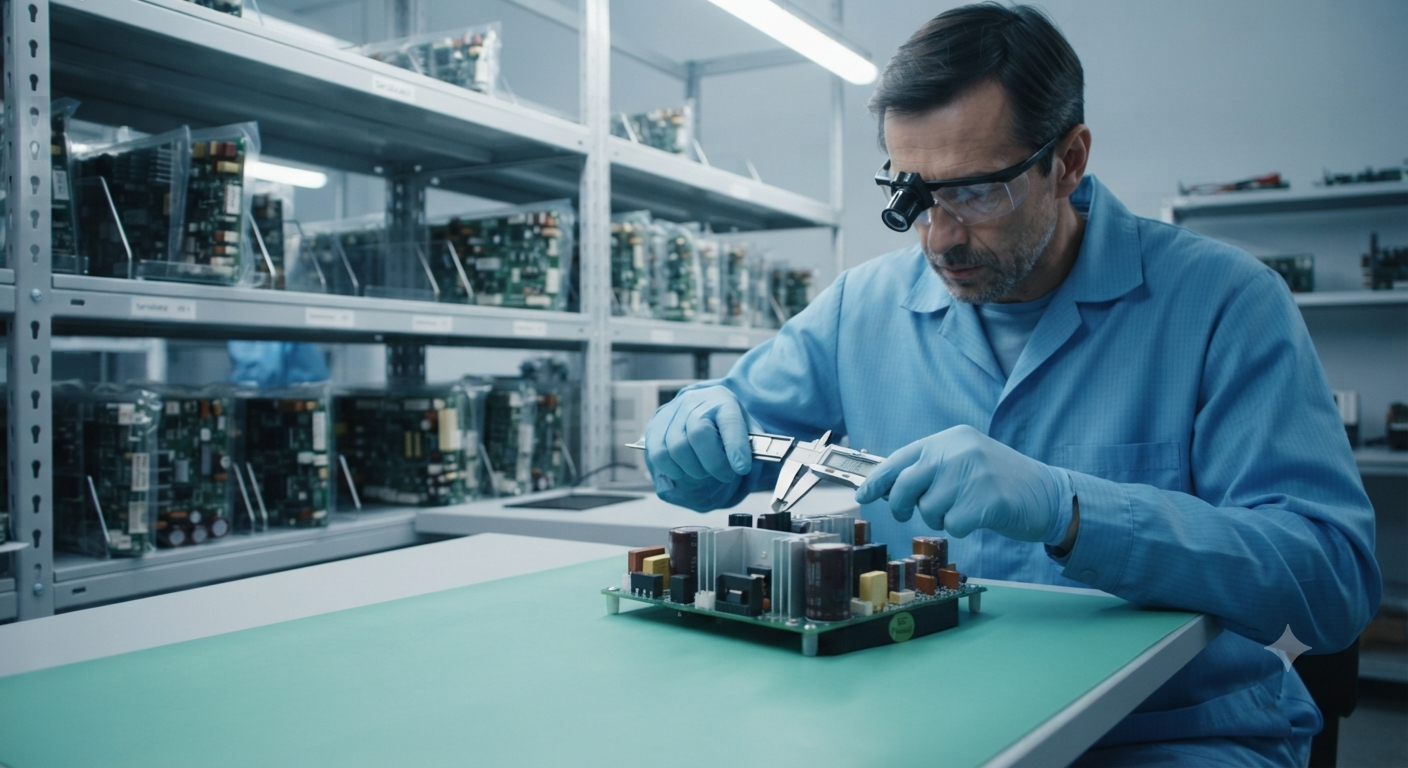
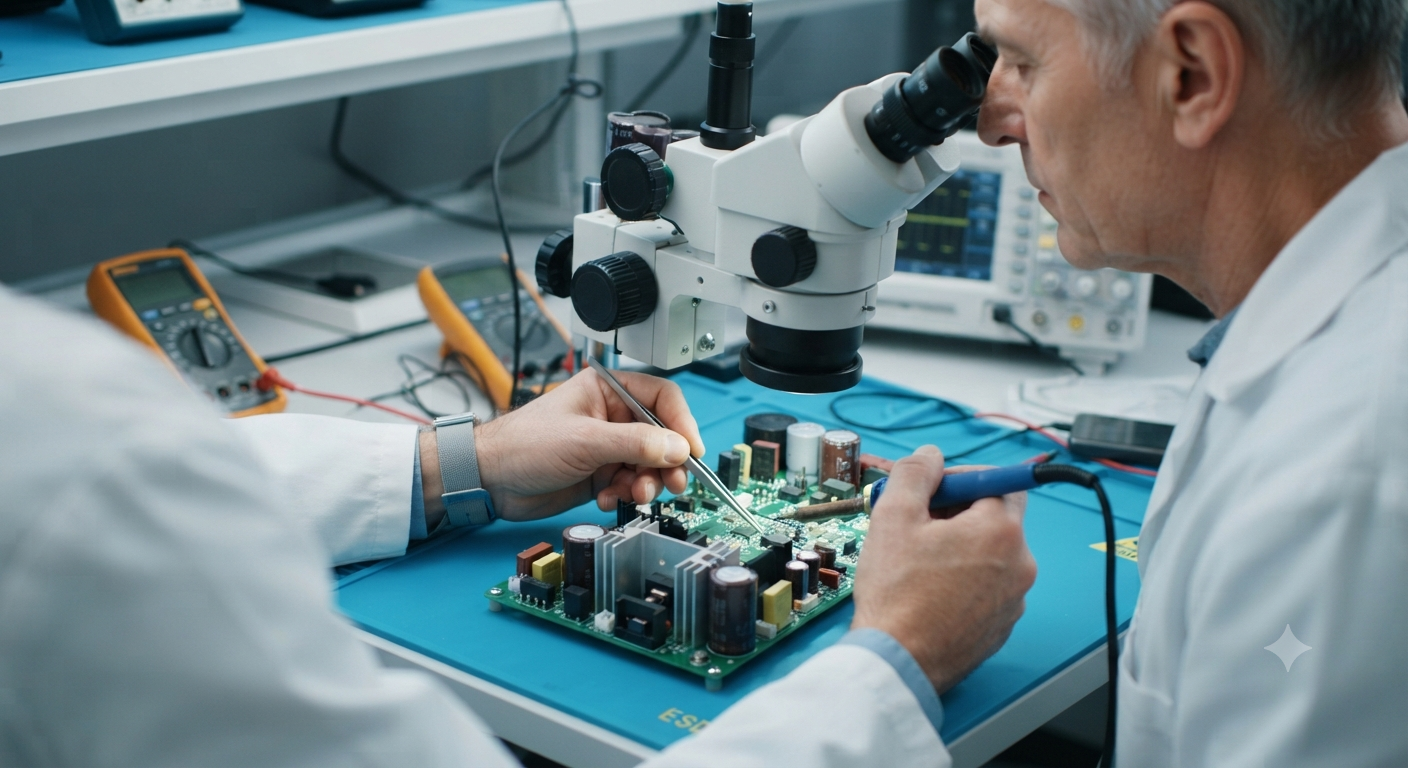
At the heart of modern hardware restoration lies the meticulous process of pcb plate reverse engineering, specifically tailored for sophisticated automation motor controller boards. Because these motor drives manage high currents, PWM signal switching, and precise encoder feedback, analyzing them requires deep technical expertise. Specialized engineers carefully dismantle the physical electronic circuit board, utilizing precision mechanical delayering and optical scanning to map out hidden inner layers. This intricate diagnostic phase allows technicians to capture every hidden trace and node necessary for modern industrial maintenance.
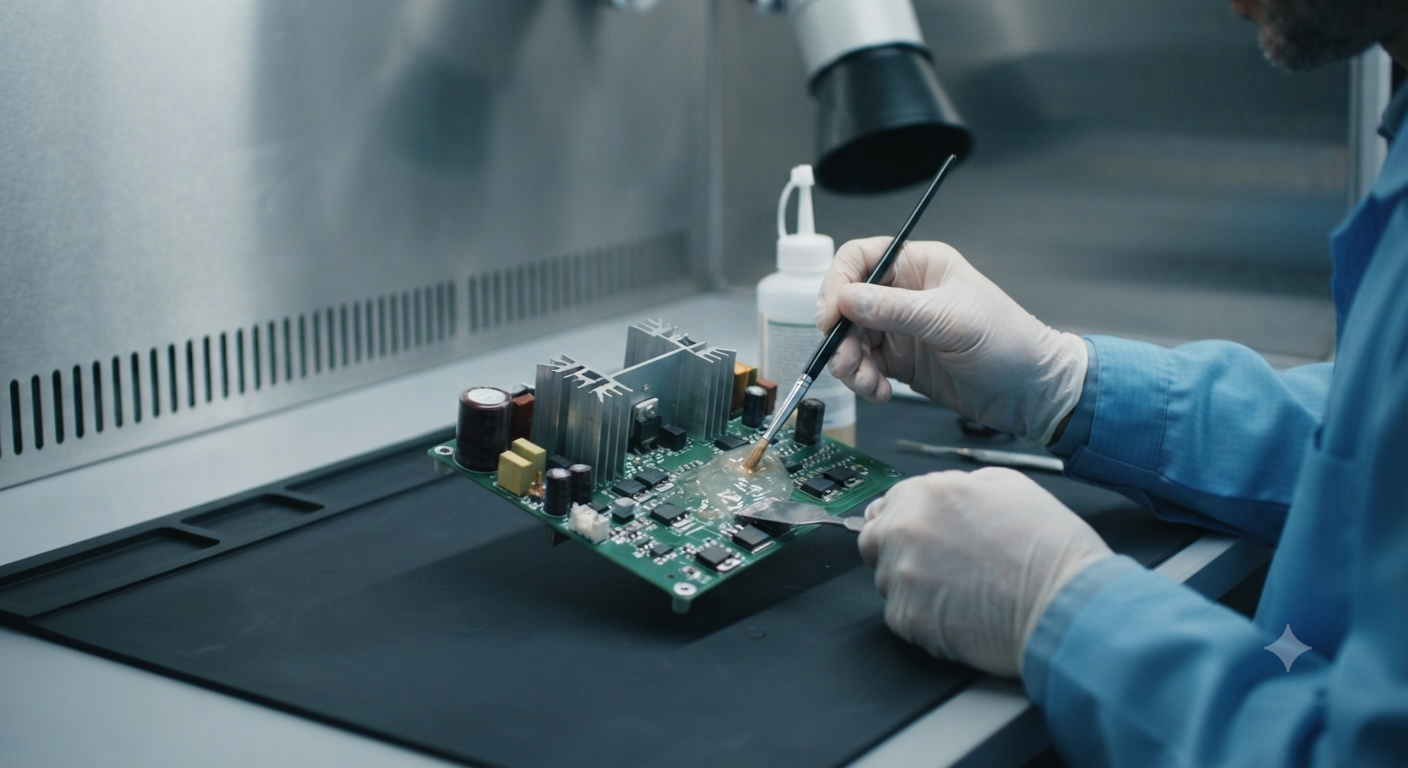
Mechanical design is an important step after PCB Plate reverse engineering, next one we need to talk about the Installation of electro-mechanical assembly, the mechanical support should be exist in three rims of PCB plate within one inch of its edge, according to the practical experience, if the thickness of pcb plate is around 0.031 to 0.062 inch, then the distance of its support location should be at least 4 inches; if the thickness of pcb plate is greater than 0.093 inches, then the distance of each support pins should be at least five inches according to PCB board design checking rule.
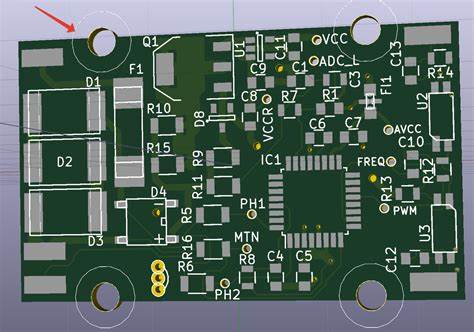
This principle can effectively improve the pcb plate rigid capability and eliminate the syntony. And the pcb board reverse engineering dimension analysis can only be determined after below items being confirmed:
1. the area on the pcb plate where doesn’t need to mount the components;
2. effect of insert and withdraw tools on the distance between two pcb plate installation;
3. redesign fixed hole and slot in the pcb plate from reverse engineered layout;
4. insert and withdraw tools must be placed in the device for usage, and their measurement must be taken into account;
5. need to use a insert and withdraw device, and normally will use screw to fix it onto the pcb plate eternally;
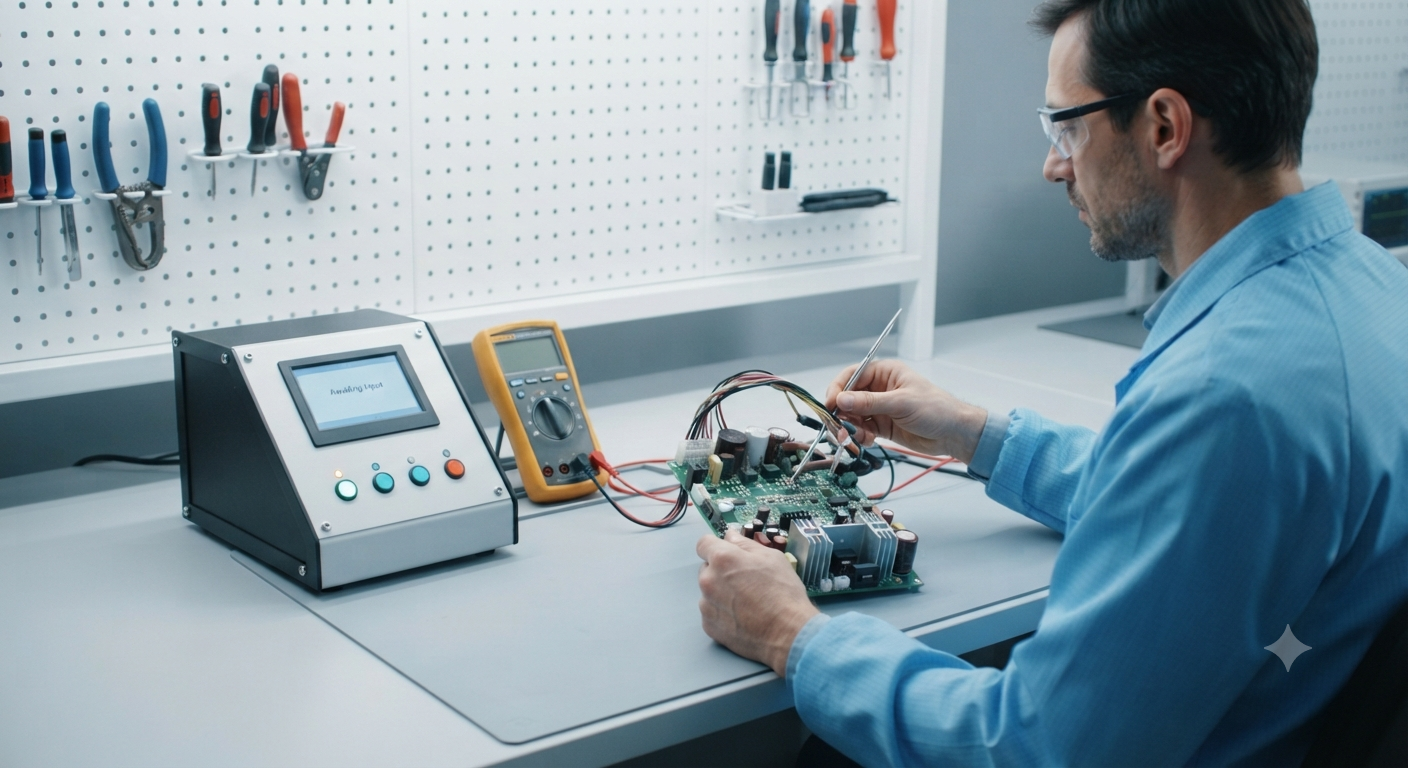
6. in the fixed body frame of pcb plate, and need the special design and reverse engineering on the pcb plate load bearing flange;
7. the adaptability of insert/withdraw tools with PCB plate dimension, shape and thickness;
To successfully execute a comprehensive hardware recovery project, technicians transform raw physical scans into a complete digital design package. By carefully analyzing the internal traces of the printed circuit board, specialists generate an accurate schematic diagram and a functional netlist. From there, professionals compile a precise bom list, layout drawing specifications, a fully functional cad file, accurate gerber data, and a complete gerber file package. By leveraging these precise digital inputs, expert engineering teams can effectively clone, replicate, duplicate, reproduce, restore, recovery, modify, remanufacture, and prototype any legacy printed circuit board, standard pcb board, or specialized pcb into a fully compliant automation motor controller replacement unit.
Before moving forward with full-scale physical manufacturing or batch production, rigorous validation of the digital design package is absolutely critical to guarantee operational safety and motor performance. Engineers must cross-examine the extracted layout files against original electrical parameters to ensure that high-voltage clearance gaps, gate driver trace widths, and thermal dissipation pathways match exact operational standards. This meticulous verification prevents switching noise, signal distortion, or drive failure when the newly fabricated circuit card is installed back into high-demand industrial environments.
Ultimately, mastering specialized hardware restoration provides businesses with true reliability and long-term asset availability. By converting failing or obsolete hardware into precise manufacturing blueprints while following strict engineering protocols, industrial facilities secure uninterrupted production cycles. Investing in professional hardware recovery ensures that critical automation motor systems continue operating safely, efficiently, and reliably for decades to come.