"Everything we build starts with design engineering. CECL manufactured boards for one of our products. It went perfectly – a real success.It is really an high quality service they have provided to us!"
By Nile Smith from Sinotech Inc.
“We had several very old device with obsolete boards need to be replaced –through CECL professional service.We got what we needed, and we’ve been using the results of the work without any problem till now.”
By Richard Anderson from TWP system Inc.
"Guys from CECL manufacture PCBs we use in one of our products, a clinometer and we’ve never had a problem with anything. The boards come in, they work. And, their team is very responsive."
Quando i dati ingegneristici originali non sono disponibili, l’ingegnerizzazione inversa consente di recuperare le informazioni di progettazione da un controller esistente e di trasformarle in un pacchetto ingegneristico utilizzabile. Tuttavia, l’obiettivo non dovrebbe limitarsi a copiare, clonare, replicare, duplicare o riprodurre la semplice apparenza fisica del PCB originale. Gli ingegneri devono determinare le relazioni funzionali tra i circuiti e ricostruire con accuratezza lo schema elettrico, il file PCB, la netlist, la distinta base (BOM), il file Gerber e il file per la macchina Pick & Place con l’orientamento dei componenti. Durante la ricostruzione del layout, occorre prestare particolare attenzione alla separazione dei percorsi di potenza ad alta corrente dai segnali dei sensori a basso livello, alla continuità dei riferimenti di massa, alle distanze di isolamento tra domini di tensione potenzialmente differenti, alla piedinatura dei connettori, ai margini di dissipazione termica attorno ai componenti di potenza e all’instradamento dei segnali di retroazione sensibili. Un file Gerber recuperato deve rappresentare con precisione il rame, la maschera di saldatura (solder mask), la serigrafia (silkscreen) e le informazioni di foratura, mentre la distinta base (BOM) deve corrispondere esattamente ai componenti e ai footprint rappresentati nel file PCB.
Cuando los datos de ingeniería originales no están disponibles, la ingeniería inversa permite recuperar la información de diseño de un controlador existente y transformarla en un paquete técnico utilizable. Sin embargo, el objetivo no debe limitarse a simplemente copiar, clonar, replicar, duplicar o reproducir la apariencia física del PCB original. Los ingenieros deben determinar las relaciones funcionales entre los circuitos y reconstruir con precisión el diagrama esquemático, el archivo PCB, la netlist, la lista de materiales (BOM), el archivo Gerber y el archivo de ubicación Pick & Place con orientación de componentes. Durante la reconstrucción del diseño, se debe prestar especial atención a la separación de las rutas de potencia de alta corriente de las señales de sensores de bajo nivel, la continuidad de las referencias de tierra, las distancias de aislamiento entre dominios de voltaje potencialmente diferentes, la asignación de pines de conectores, la holgura térmica alrededor de los componentes de potencia y el enrutamiento de señales de retroalimentación sensibles. Un archivo Gerber recuperado debe representar con precisión el cobre, la máscara de soldadura (solder mask), la serigrafía (silkscreen) y la información de perforación, mientras que la lista de materiales (BOM) debe corresponder exactamente con los componentes y footprints representados en el archivo PCB.
A recovered gerber file should accurately represent copper, solder mask, silkscreen, and drill information, while the BOM list should correspond exactly with the components and footprints represented in the PCB file. These rules are essential because an apparently minor error in a recovered trace, component orientation, or connector assignment can cause incorrect turbine feedback or unstable actuator control.
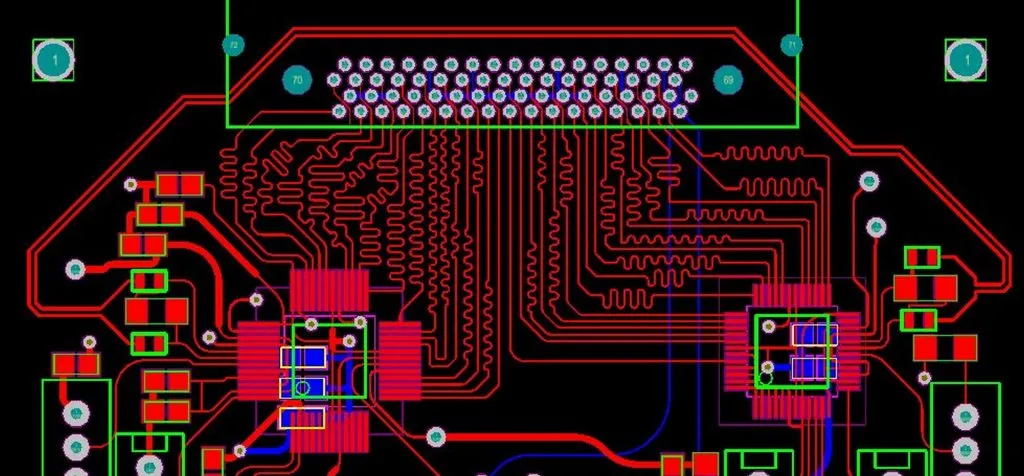
Design Rule checking is critical for the PCB circuit board Reverse Engineering process, after the PCB circuit board layout has been done, engineer should check if the layout design is completely align with the design rule sets by the designer, at the same time, they need to confirm if these setting rules can satisfy the requirement of PCB circuit board manufacturer after reverse engineering process done. And there are below rules need to follow up:
PCB Circuit Board Reverse Engineering Design Rules Checking is important for this process since the correctiveness of the documents must be ensured
1, the distance between the tracks, tracks and soldering pad, track and through hole, soldering pad and through hole, through holes can meet the minimum requirement of PCB circuit board manufacture;
2, the space between the power supply track and ground tracks after reverse engineering pcb display adjustment is appropriate or not, the distance between power supply track and ground track is closely decoupling with low wave resistance value. And if there is any place on the PCB circuit board pattern to widen the space;
3, is there any optimum measure can be taken for the critical signal track such as the shortest length, add protective track and separate the input and output line distinctively;
Quando os dados de engenharia originais não estão disponíveis, a engenharia reversa pode recuperar as informações de projeto de um controlador existente e transformá-las em um pacote de engenharia utilizável. No entanto, o objetivo não deve se limitar a simplesmente copiar, clonar, replicar, duplicar ou reproduzir a aparência física da PCB original. Os engenheiros precisam determinar as relações funcionais entre os circuitos e reconstruir com precisão o diagrama esquemático, o arquivo PCB, a netlist, a lista de materiais (BOM), o arquivo Gerber e o arquivo de posicionamento Pick & Place com orientação. Durante a reconstrução do layout, atenção especial deve ser dada à separação dos caminhos de potência de alta corrente dos sinais de sensores de baixo nível, à continuidade das referências de terra, às distâncias de isolamento entre domínios de tensão potencialmente diferentes, ao mapeamento de pinos dos conectores, ao folga térmica ao redor dos componentes de potência e ao roteamento de sinais sensíveis de realimentação. Um arquivo Gerber recuperado deve representar com precisão o cobre, a máscara de solda (solder mask), a serigrafia (silkscreen) e as informações de furação, enquanto a lista de materiais (BOM) deve corresponder exatamente aos componentes e footprints representados no arquivo PCB.
5, is there any technical track on the PCB circuit board layout, and solder resist can meet the manufacturing requirement, the size and dimensio and solder resist is properly layout? All of the legendary marking has been printed properly without any encroaching on the soldering pad?
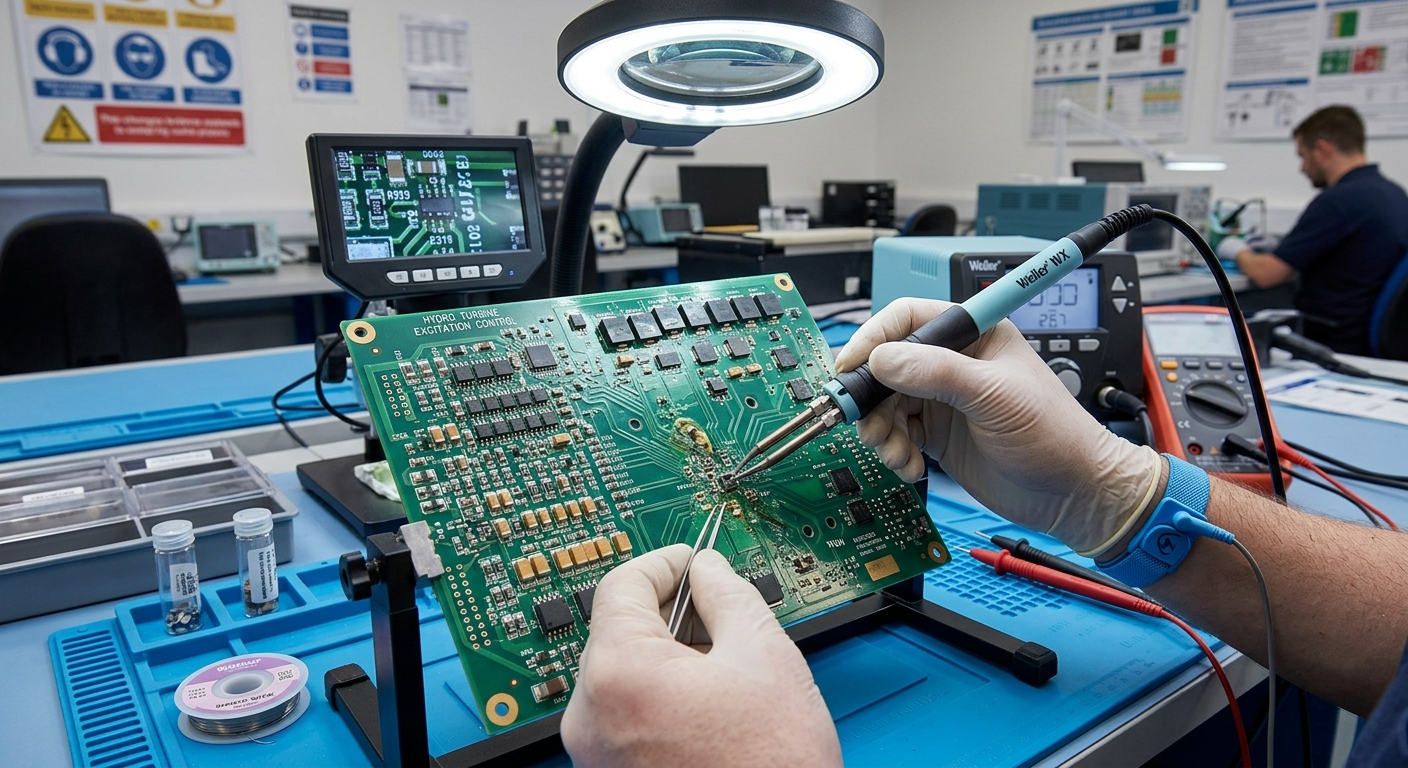
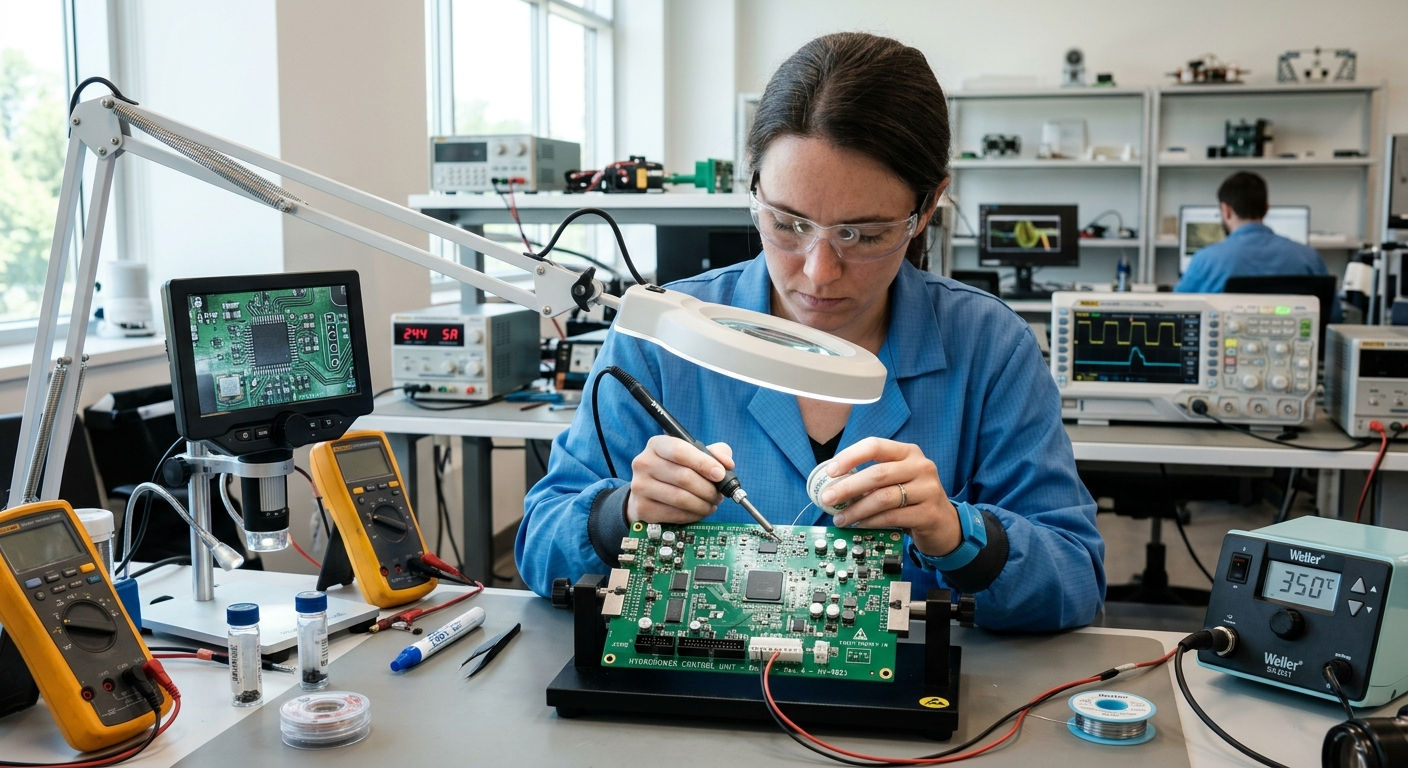
Testing the reconstructed documentation should be performed as a structured verification process rather than as a single visual comparison. First, the schematic diagram should be checked against the physical hydro turbine controller PCB, with critical power, feedback, control, and communication paths traced from pin to pin. The resulting netlist should then be compared with the PCB file to identify missing connections, unintended connections, incorrect pin assignments, or discrepancies between schematic and layout.
Wanneer de originele technische gegevens niet beschikbaar zijn, kan reverse engineering de ontwerpinformatie van een bestaande controller terughalen en omzetten in een bruikbaar technisch pakket. Het doel moet echter niet beperkt blijven tot het simpelweg kopiëren, kloonen, dupliceren of reproduceren van het fysieke uiterlijk van de originele PCB. Ingenieurs moeten de functionele relaties tussen circuits bepalen en het schematisch diagram, het PCB-bestand, de netlist, de stuklijst (BOM), het Gerber-bestand en het Pick & Place-oriëntatiebestand nauwkeurig reconstrueren. Tijdens de layoutreconstructie moet bijzondere aandacht worden besteed aan het scheiden van hoogstroom-vermogenspaden van zwakke sensorsignalen, de continuïteit van aardreferenties, isolatieafstanden tussen potentieel verschillende spanningsdomeinen, connector-pin-toewijzingen, thermische speling rond vermogenscomponenten en de routing van gevoelige terugkoppelingssignalen. Een hersteld Gerber-bestand moet koper-, soldeermasker- (solder mask), zeefdruk- (silkscreen) en boorinformatie nauwkeurig weergeven, terwijl de stuklijst (BOM) exact moet overeenkomen met de componenten en footprints die in het PCB-bestand zijn vertegenwoordigd.
Lorsque les données d’ingénierie d’origine ne sont pas disponibles, la rétro-ingénierie permet de récupérer les informations de conception d’un contrôleur existant e de les transformer en un ensemble documentaire exploitable. Cependant, l’objectif ne doit pas se limiter à simplement copier, cloner, répliquer, duplicer ou reproduire l’apparence physique du PCB d’origine. Les ingénieurs doivent déterminer les relations fonctionnelles entre les circuits et reconstituer avec précision le schéma électronique, le fichier PCB, la netlist, la liste de composants (BOM), le fichier Gerber et le fichier de placement Pick & Place avec orientation des composants. Lors de la reconstruction du layout, une attention particulière doit être portée à la séparation des lignes de puissance à fort courant et des signaux capteurs de faible niveau, à la continuité des références de masse, aux distances d’isolement entre des domaines de tension potentiellement différents, au brochage des connecteurs, aux dégagements thermiques autour des composants de puissance et au routage des signaux de contre-réaction sensibles. Un fichier Gerber récupéré doit représenter avec précision le cuivre, le masque de soudure (solder mask), la sérigraphie (silkscreen) et les informations de perçage, tandis que la liste de composants (BOM) doit correspondre exactement aux composants et empreintes (footprints) figurant dans le fichier PCB.
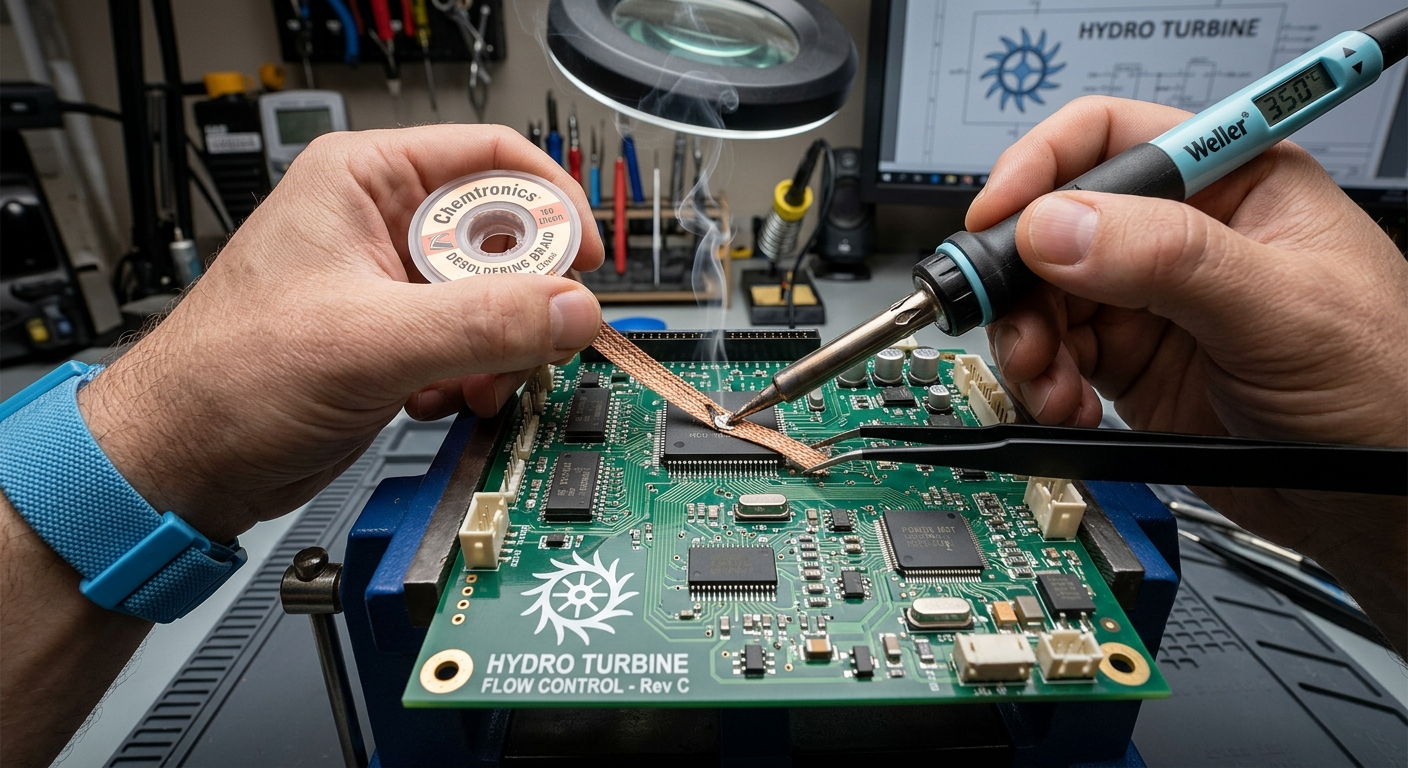
For a multilayer turbine controller, engineers should also verify whether power and ground planes have been reconstructed correctly and whether sensitive analog signals remain appropriately separated from switching nodes and high-current circuits. The generated gerber file should then be independently inspected layer by layer to ensure that the manufacturing data corresponds with the verified PCB design. A prototype can subsequently be manufactured and subjected to continuity, insulation, power-up, signal, communication, and functional testing against the original controller. If differences are discovered, engineers can recover, restore, rework, repair, or modify the relevant design before production.
Wenn die ursprünglichen Ingenieurdaten nicht verfügbar sind, kann durch Reverse Engineering die Designinformation eines bestehenden Steuergeräts wiederhergestellt und in ein verwendbares Ingenieurpaket umgewandelt werden. Das Ziel sollte jedoch nicht darauf beschränkt sein, das physische Erscheinungsbild der ursprünglichen PCB einfach zu kopieren, zu klonen, zu replizieren, zu duplizieren oder zu reproduzieren. Ingenieure müssen die funktionalen Zusammenhänge zwischen den Schaltkreisen bestimmen und das Schaltbild, die PCB-Datei, die Netzliste, die Stückliste (BOM), die Gerber-Datei sowie die Pick-&-Place-Bestückungsdatei mit Ausrichtung präzise rekonstruieren. Während der Layout-Rekonstruktion sollte besonderes Augenmerk auf die Trennung von Hochstrom-Leistungspfaden und niederpegeligen Sensorsignalen, die Kontinuität der Massebezüge, Isolationsabstände zwischen potenziell unterschiedlichen Spannungsdomänen, Pin-Belegungen von Steckverbindern, thermische Freiräume um Leistungskomponenten sowie das Routing empfindlicher Rückkopplungssignale gelegt werden. Eine wiederhergestellte Gerber-Datei sollte Kupfer-, Stopplack- (Solder Mask), Siebdruck- (Silkscreen) und Bohrinformationen präzise abbilden, während die Stückliste (BOM) exakt mit den in der PCB-Datei dargestellten Bauteilen und Footprints übereinstimmen muss.
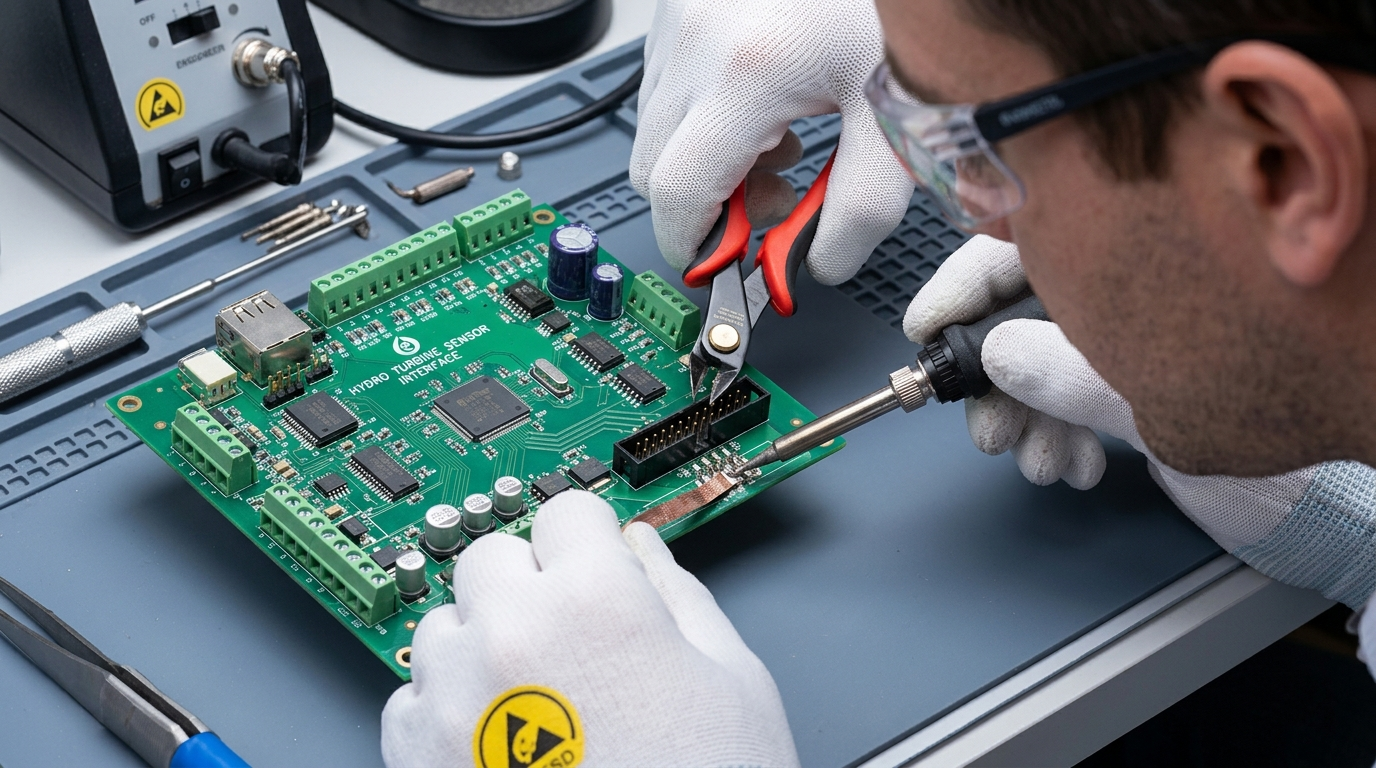
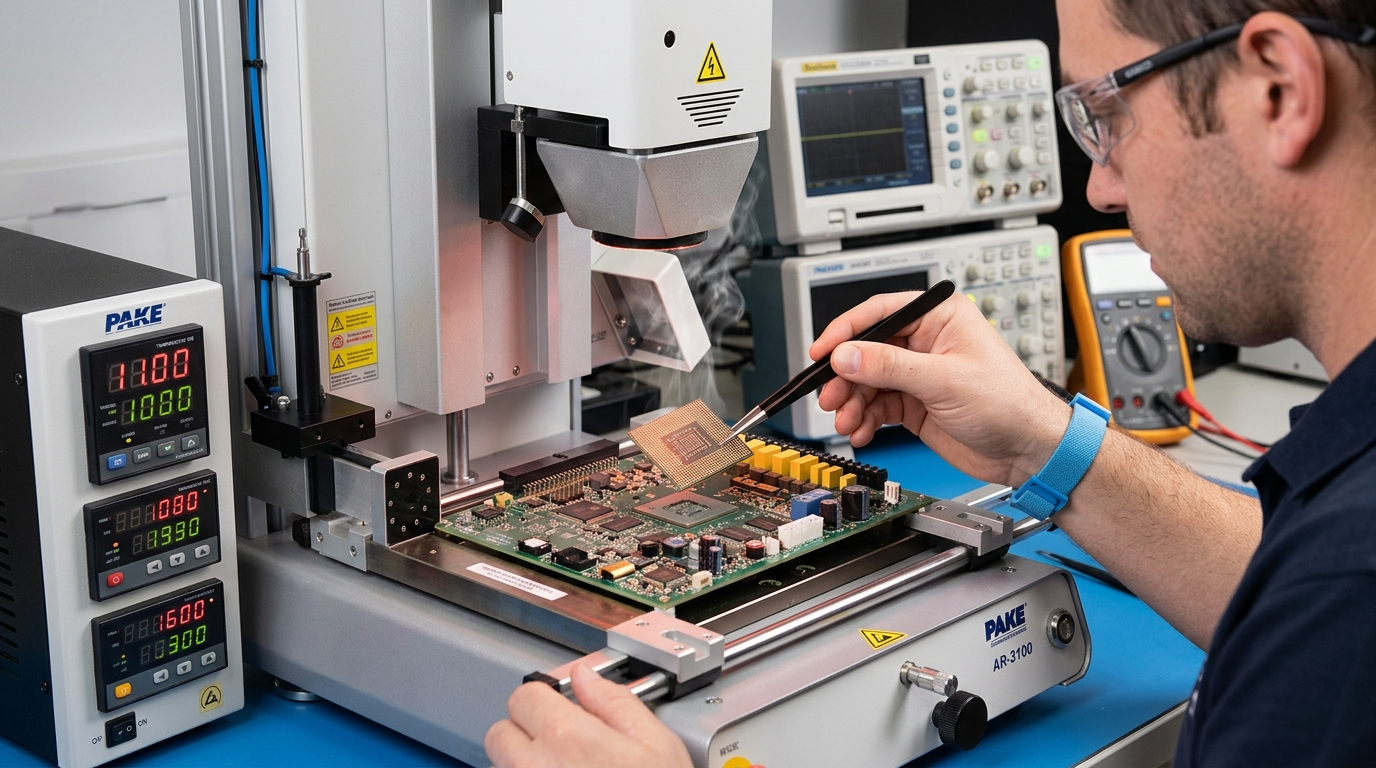
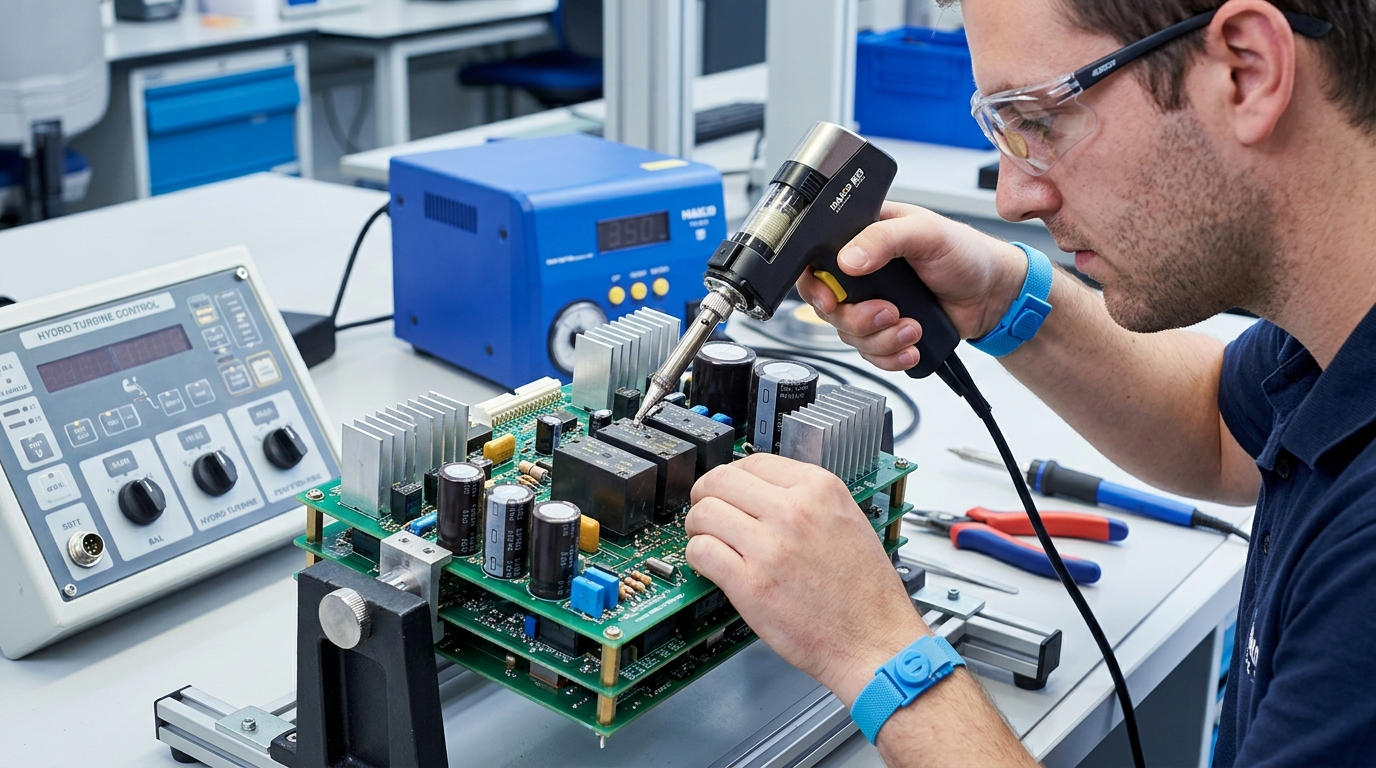
This methodology is particularly valuable for aging hydroelectric generating stations because turbine controllers may remain in service for decades while their original PCB manufacturers, components, or design files become unavailable. Through professional reverse engineering, end users can remanufacture or refurbish obsolete controller boards rather than replace an entire control system. Our engineering service can analyze an existing hydro turbine controller PCB, reconstruct its electrical and physical architecture, generate and verify the schematic diagram, layout drawing, PCB file, netlist, BOM list, gerber file, and pick & place orientation file, and support prototype validation. This provides operators with a practical route to restore critical turbine-control electronics while retaining the original functional architecture and creating reliable documentation for future maintenance and reproduction.