


LED Strip PWB Replicate
In the rapidly growing LED lighting industry, printed wiring boards (PWBs) play a critical role in ensuring efficiency, durability, and performance. From decorative home lighting to architectural highlights and automotive accents, LED strips depend on highly specialized PWBs that can manage current flow, heat dissipation, and uniform brightness across long lengths. However, as product lifecycles become shorter and many designs are phased out, manufacturers and individuals often face the challenge of repairing or expanding their LED systems without the original design data. This is where professional LED Strip PWB Replicate services deliver real value.
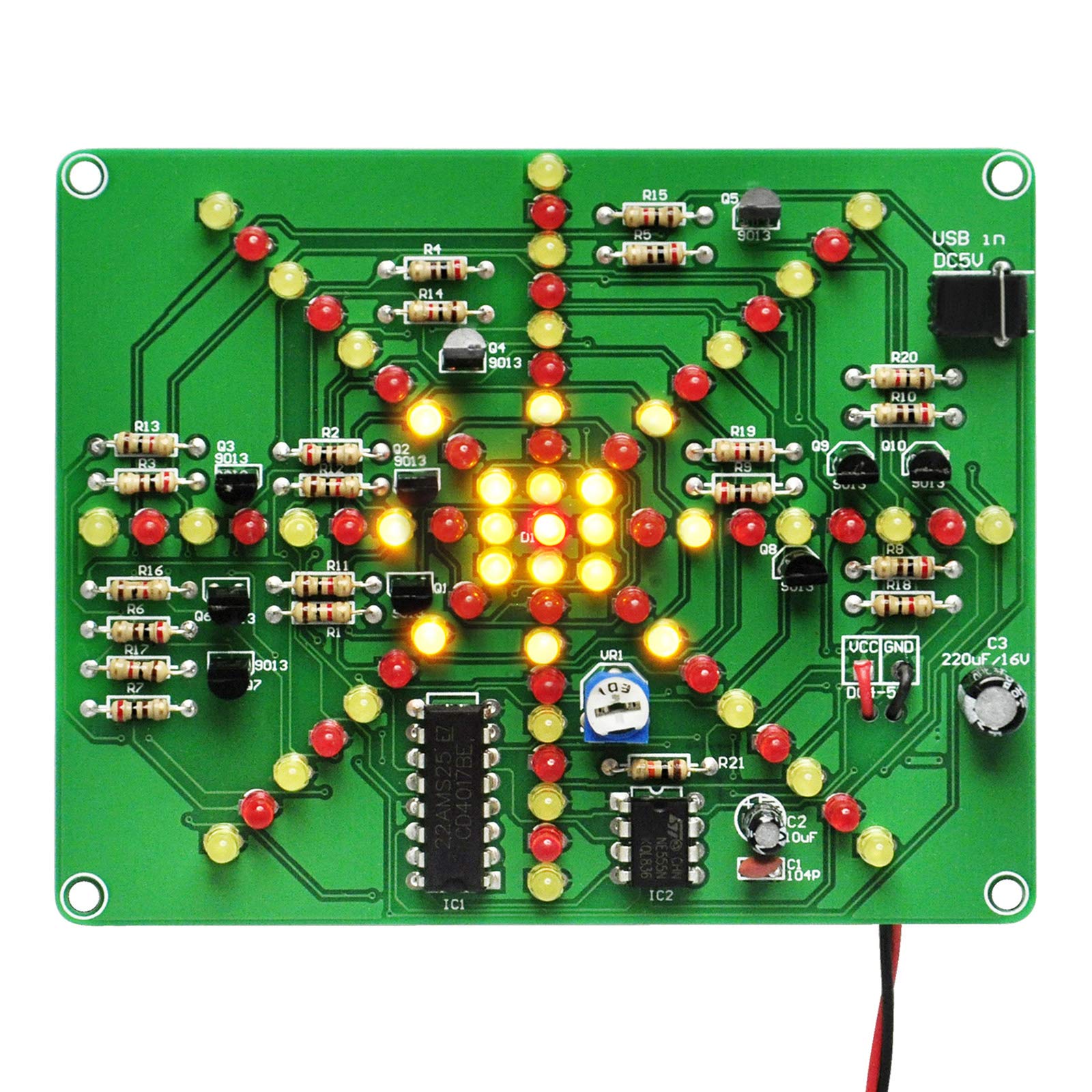
LED Strip PWB Replicate needs to extract Printed circuit board gerber file, schematic diagram, BOM and layout drawing from exisiting PCB board sample, and then remanufacture it accordingly;
After you get started of your LED Strip PWB project with us, all the necessary files will be submited in below format through which your PWB circuit board can be manufacture and assembly anywhere in the world, we can ensure the accuracy of your data by means of prototype running.
Many LED lighting products are built on slim, flexible, or rigid PWBs tailored to specific applications. When technical files such as the Gerber file, schematic diagram, layout drawing, BOM list, or netlist are missing or obsolete, maintaining or expanding the product line becomes nearly impossible. Traditional manufacturers may no longer support older models, yet customers still demand replacements, repairs, or upgrades.
Through reverse engineering, our engineers can recover, restore, and recreate the essential design data from an existing physical board. This process allows us to reproduce, remanufacture, or replicate LED strip PWBs with high accuracy. By doing so, companies and individuals can duplicate legacy boards, refurbish old lighting systems, and even pursue redevelopment or redesign to adapt them for new environments.
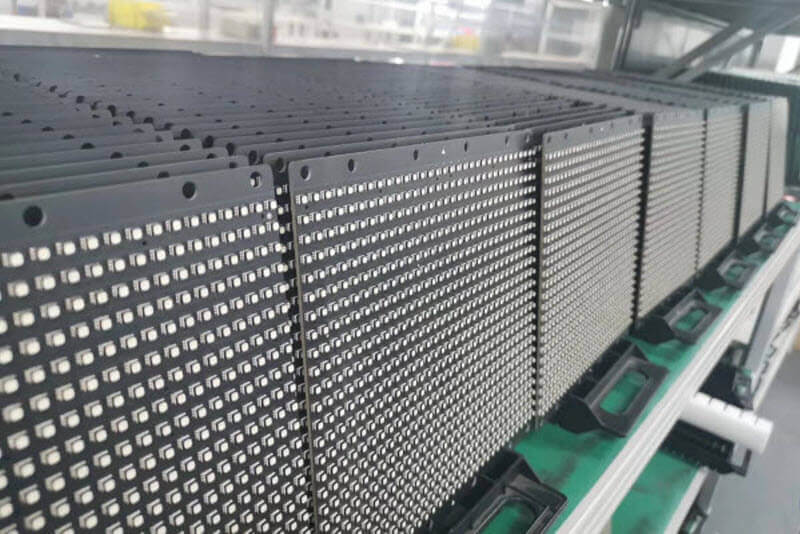
The Process of Reverse Engineering LED Strip PWBs
The workflow for LED Strip PWB replicate typically includes:
- Initial Inspection and Data Collection
Engineers begin by analyzing the physical LED strip PWB, measuring dimensions, verifying layer count, and identifying trace width and spacing. The condition of solder pads, connectors, and copper thickness is also evaluated. - Component Analysis and Desoldering
Key components such as resistors, capacitors, and driver ICs are identified and documented. If necessary, parts are carefully desoldered to reveal hidden tracks or test specific functionality. - Track Exposure and Imaging
High-resolution imaging and layer scanning are used to expose and document track patterns. This ensures the schematic diagram and layout drawing are accurate reflections of the original design. - Data Reconstruction
Collected information is transformed into standardized digital outputs: Gerber files for fabrication, netlists for connectivity verification, and BOM lists for sourcing components. - Prototype Reproduction
A functional prototype is manufactured to confirm that the replicated PWB performs identically to the original. Testing ensures consistent brightness, thermal performance, and durability. - Final Replication and Delivery
Once validated, the replicated design can be scaled for full production, or even redesigned for improved efficiency, waterproofing, or extended life.
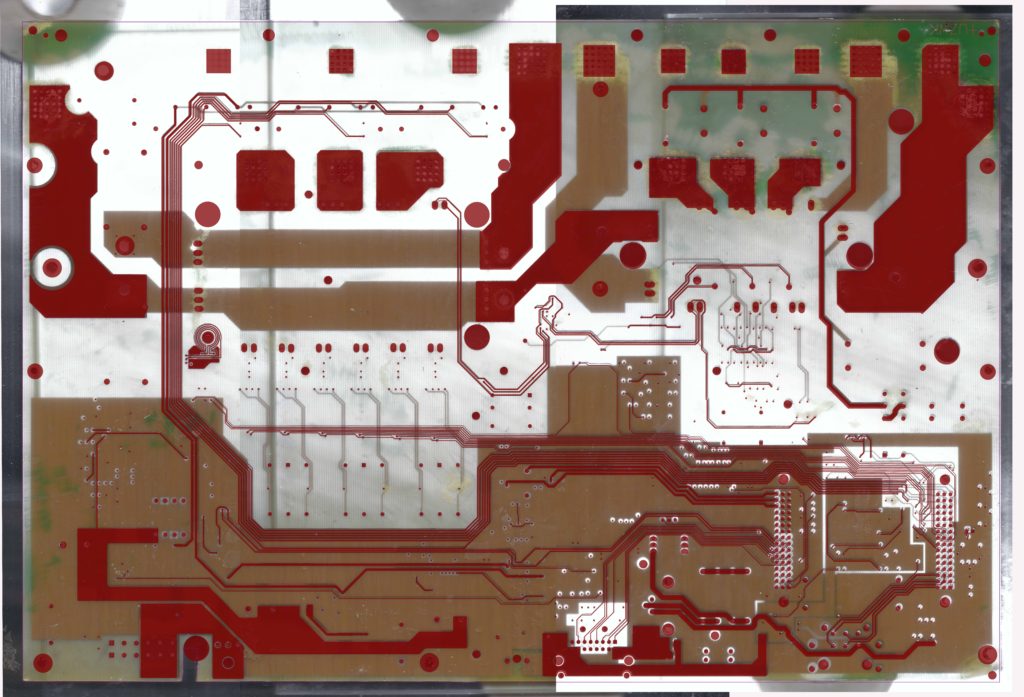
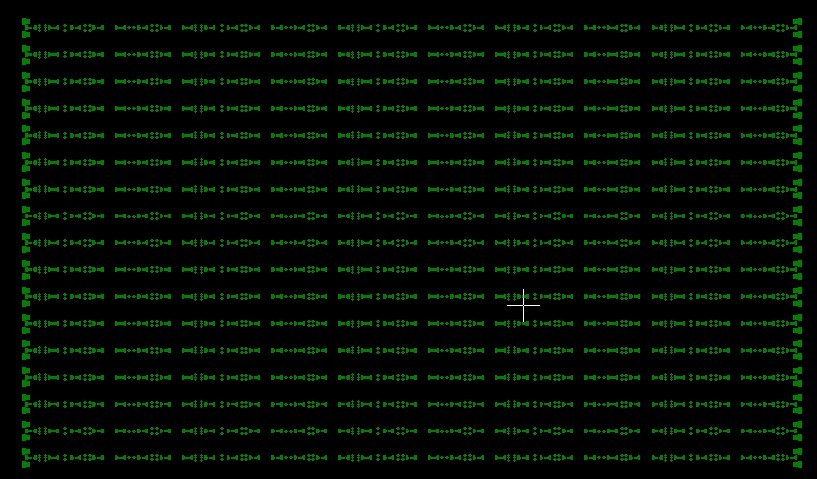
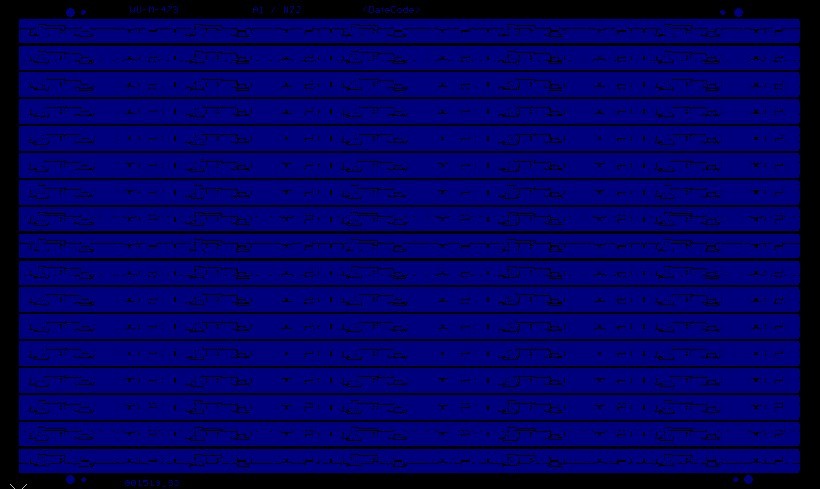
Here is sample of files and drawings you will receive, based on a typical double layer LED Strip PWB with components mounted on two sides:
Bottom side of Gerber File from LED Strip PWB:
Top side of Gerber File from LED Strip PWB:
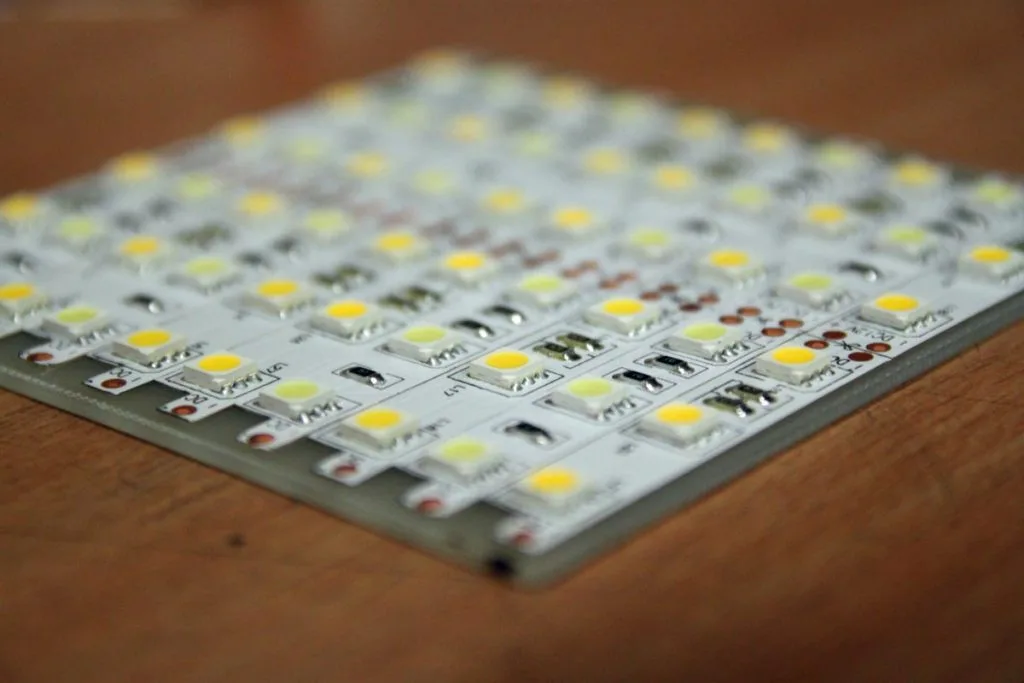
LED strip PWBs are widely applied in architectural lighting, smart home systems, automotive decorative strips, stage effects, advertising signage, and consumer electronics. By investing in LED Strip PWB replicate services, companies can avoid high replacement costs, extend the lifecycle of existing products, and maintain compatibility with legacy systems. For individuals, the ability to copy and restore old LED strips ensures beloved lighting installations can continue shining without interruption.
Conclusion
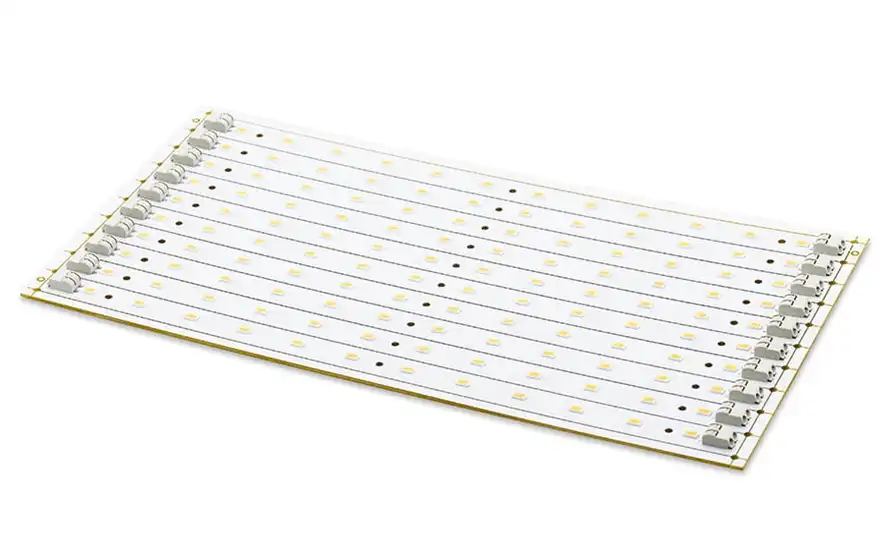
In an industry where innovation is constant but product obsolescence is unavoidable, LED Strip PWB replicate services provide a bridge between past designs and future needs. Through professional reverse engineering, it is possible to recover, duplicate, and redevelop legacy LED strip circuit boards, ensuring continued functionality, reduced waste, and a reliable pathway to modernization.
Circuit Engineering Company Limited provide a complete PCB Reverse Engineering, PCB Clone and PCB Restoration service, Rapid Prototyping and functional test services using the latest technologies combined with traditional skills for a wide range of industries. By integrating our traditional skills with the latest technologies, we can offer clients a comprehensive portfolio of product development services all under one roof. For more details please contact our customer service team.