


PCB Reverse Engineering Hardware Analysis
In the modern electronics industry, countless devices still rely on legacy printed circuit boards (PCBs) that were designed and manufactured many years ago. As manufacturers discontinue support and technical files vanish, companies and individuals face the challenge of repairing, upgrading, or reproducing old hardware without the necessary documentation. This is where PCB Reverse Engineering Hardware Analysis plays a vital role.
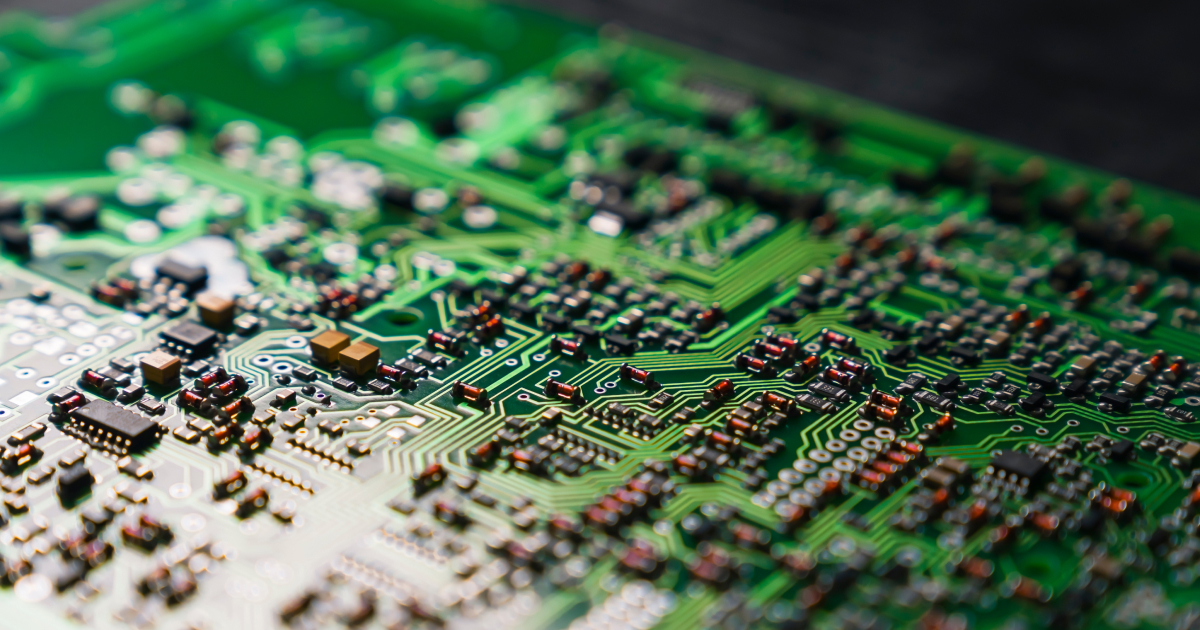
By carefully examining the physical board, engineers can recover the hidden design information and translate it into usable documents such as Gerber files, schematic diagrams, layout drawings, BOM lists, and netlists. The process goes far beyond simple duplication—it is a structured methodology that ensures the recreation, refurbishment, or even redesign of obsolete PCBs with accuracy and reliability.
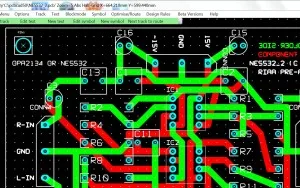
PCB Reverse Engineering Hardware Analysis is one of the most important steps for completion of this work. PCB Reverse Engineering Hardware Analysis can made things better clear. A hardware analysis should be performed during the stage of PCB reverse engineering preparation to develop the missing data required for a technical data package.
In those cases where the existing technical documentation is either incomplete or unavailable, hardware analyses (dimensional, material, electrical/electronic) should be performed to develop the technical data (product baseline) required for production. The data developed by physically examining, measuring and analyzing the existing hardware should be included in the end-item drawings and specifications.
PCB Reverse Engineering Hardware Analysis involves a systematic investigation of the physical characteristics of a PCB. Unlike software-focused tasks, this process directly deals with the tangible board, its circuit patterns, copper layers, vias, traces, and mounted components.
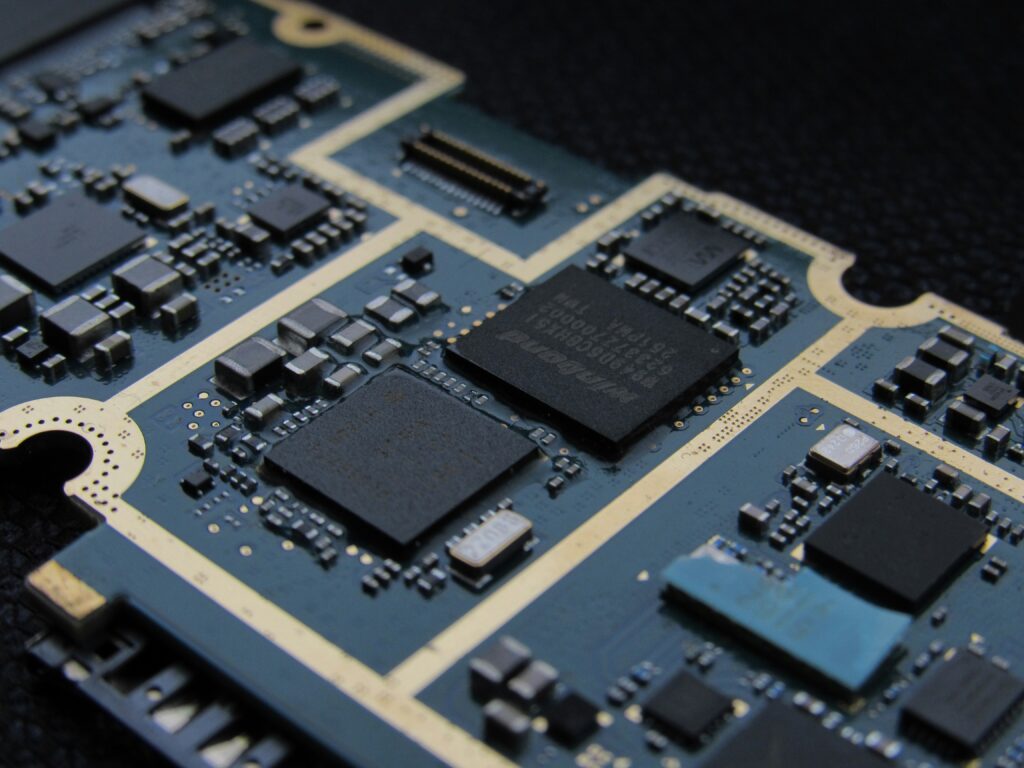
The analysis generally covers:
- Dimensional measurement of the board to determine its physical size and mounting points.
- Layer count inspection to understand stack-up complexity and signal routing.
- Component identification for generating a verified BOM list.
- Track and pad tracing to produce accurate netlists.
- Imaging and scanning to restore layout drawings and Gerber files suitable for manufacturing.
By conducting such analysis, the PCB can be replicated, duplicated, or remanufactured with precision, ensuring that the newly produced boards are functionally equivalent to the original.
The benefits of performing PCB Reverse Engineering Hardware Analysis extend far beyond simple restoration:
- Obsolete Document Recovery – Many legacy PCBs, especially those used in industrial or defense systems, have lost their design archives. Our service helps to restore and reproduce this critical data.
- Cost-Effective Maintenance – Instead of replacing entire systems, organizations can remanufacture specific circuit boards, drastically lowering costs.
- Product Lifecycle Extension – With restored documentation, companies can continue supporting products long after the original manufacturer has discontinued them.
- Opportunities for Redevelopment – Once the design data is reconstructed, it can be redesigned or modified for better performance, lower power consumption, or compliance with new standards.
This process is especially valuable for industries that rely on specialized PCB boards integrated into critical equipment. Examples include:
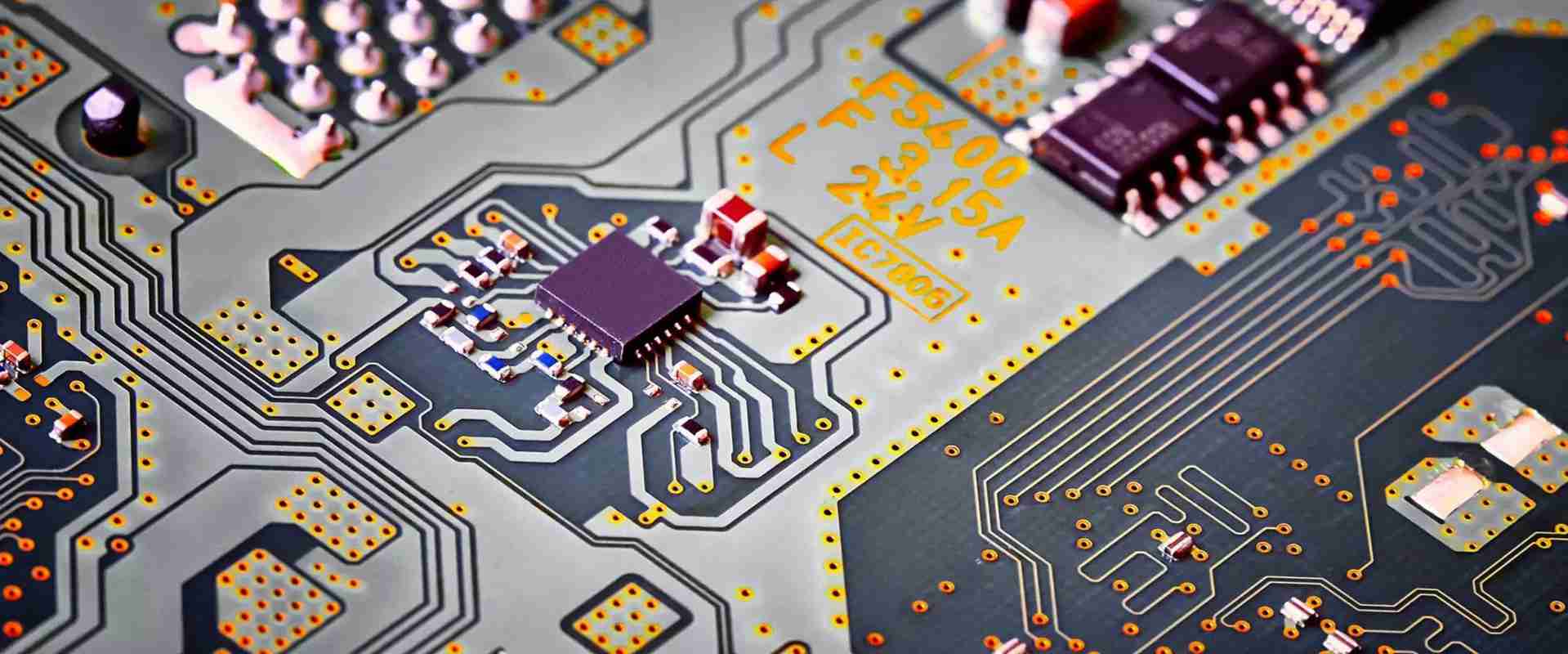
- Aerospace and UAV drones – Flight control boards or communication modules.
- Medical devices – Monitoring systems or imaging equipment that must meet strict regulatory requirements.
- Industrial automation – Motor drivers, power adapters, or process control boards.
- Consumer electronics – Legacy CCTV surveillance systems or home appliances still widely in use.
Each application demands accuracy in hardware analysis, as even minor deviations in the schematic diagram or layout drawing can affect overall reliability.
Accuracy is the pretext and foundamental point for hardware analysis. All test equipment should be calibrated prior to use in order to detect and adjust any variation in the accuracy of the instrument being checked from PCB Reverse Engineering Hardware Analysis. ISO 10012-1 and NCSL-Z540.1 may be used as guidance for the calibration of all measuring and test equipment.
PCB Reverse Engineering Hardware Analysis is not just a technical task; it is a strategic service that enables companies and individuals to recover, replicate, and reproduce vital electronic designs. By extracting design data directly from the hardware, we help restore phase-out PCB documents, create new production-ready Gerber files, and provide a pathway to refurbishment, redevelopment, or redesign.
For anyone seeking to extend the life of critical systems, maintain high-value equipment, or secure control over their electronic assets, investing in professional PCB hardware analysis is the most effective way to unlock the full potential of legacy boards.