


Clone Industrial Printer PCB Card
In the modern industrial landscape, industrial printers are vital components in high-throughput production environments such as packaging, labeling, textile printing, 3D printing, and electronic manufacturing. At the heart of these systems lies the industrial printer PCB card, a highly specialized circuit board responsible for interpreting data, controlling motors, managing ink or material flow, and ensuring real-time synchronization.
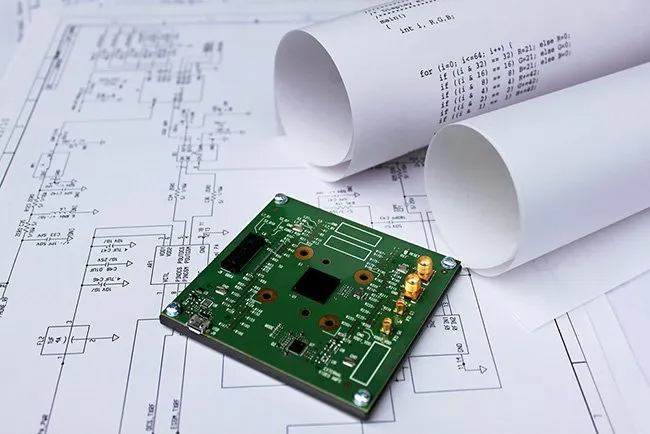
Unfortunately, when these boards malfunction and their original documentation is missing or the OEM no longer offers replacements, businesses often face significant downtime and financial losses. In such cases, the ability to clone industrial printer PCB cards becomes a powerful solution to recover, restore, and reproduce critical functionality.
These PCBs are far from simple. They often contain multilayer architectures, densely packed microcontrollers, high-speed signal traces, motor driver ICs, and even custom ASICs. They interface with sensors, actuators, heaters, printheads, and display modules. A typical board may involve:
- Complex firmware logic and real-time data processing
- High-resolution signal routing and impedance-controlled traces
- Durable components selected for long operational life and resistance to environmental stressors
This complexity makes cloning such boards a highly technical and delicate process.
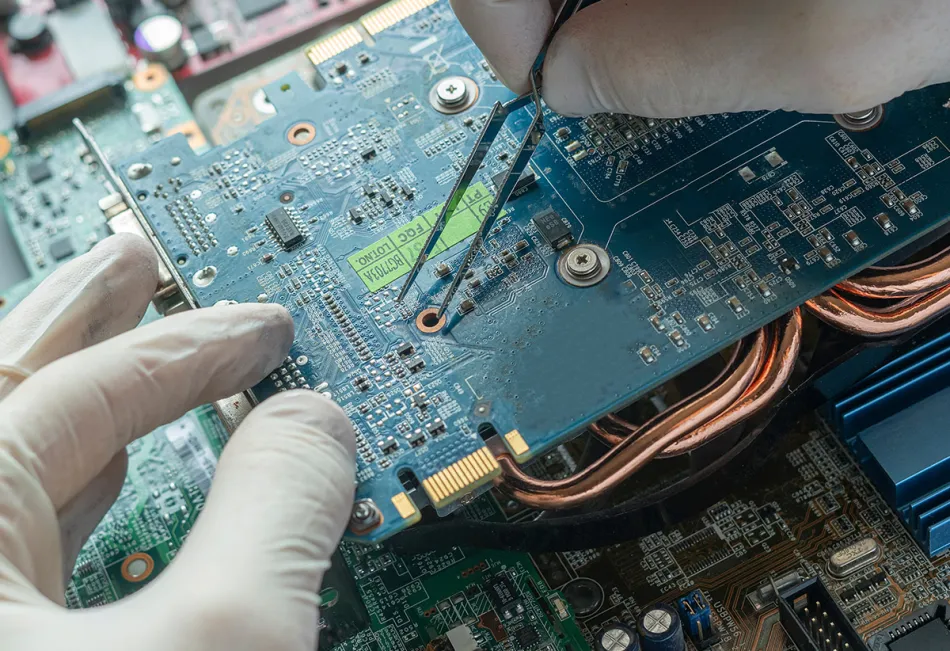
Challenges in Cloning Industrial Printer PCB Boards
To clone an industrial printer PCB card, engineers must begin with a meticulous inspection and evaluation of the physical sample. This process includes:
- Layer Identification: Understanding whether the board has 2, 4, 6 or more layers — which directly affects trace routing and signal behavior.
- Track Pattern Analysis: High-speed or analog signals require precise trace geometry; recreating this is critical for proper functioning.
- Component Identification: Especially when component markings are scratched off or obsolete, finding suitable replacements for the BOM list is a major hurdle.
- Custom Firmware or Logic: In some cases, a microcontroller or FPGA might hold proprietary firmware, making reverse engineering even more complex.
- Non-standard Connectors or Layouts: Often, boards have been designed to fit very specific mechanical dimensions, requiring exact layout drawings and schematic diagrams.
Each of these steps requires specialized skills, tools, and sometimes creative problem-solving to accurately replicate, duplicate, or remanufacture the board.
Rebuilding From the Ground Up
Once disassembly, imaging, and component analysis are complete, engineers use tools to recreate the board’s Gerber files, netlist, and schematics. These files are essential not only for manufacturing the physical replacement but also for preserving documentation for future redevelopment or refurbishment efforts.
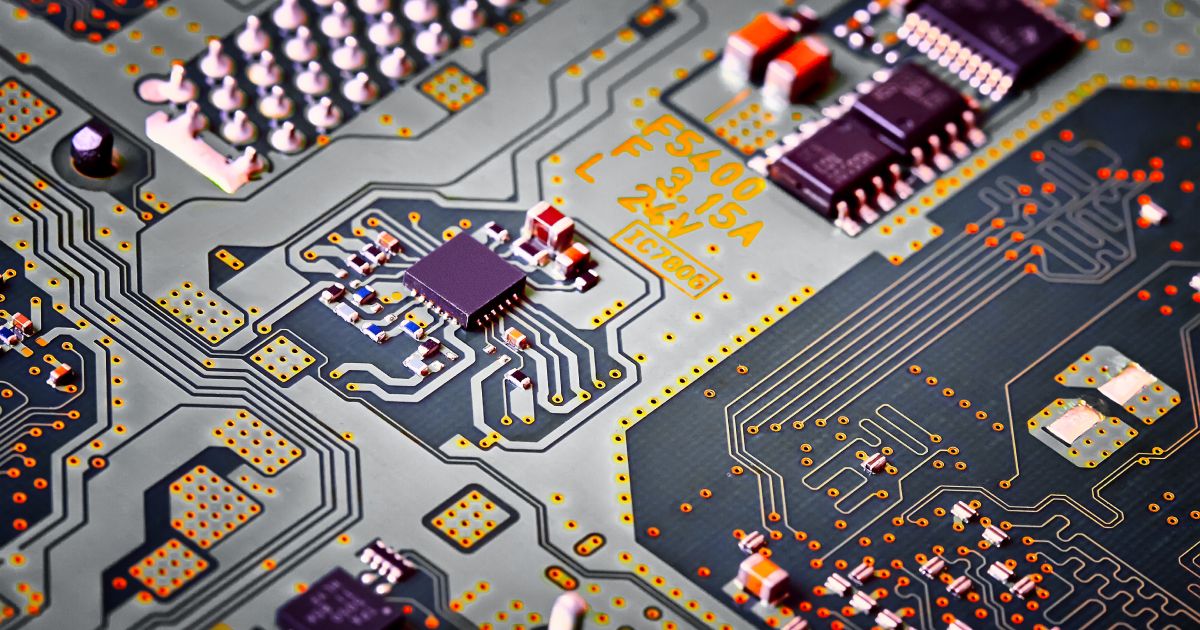
Prototypes are then built and tested to ensure functional equivalency. If successful, the cloned PCB card can be redesigned for performance upgrades or production cost reduction—offering companies far more flexibility than was originally available from the OEM.
Being able to clone industrial printer PCB cards offers immense benefits for companies relying on legacy equipment. It eliminates the need to overhaul entire printer systems due to one faulty board. It also gives individuals and technicians a path to restore equipment performance without sourcing hard-to-find or overpriced replacements.
By reproducing the board and restoring the associated documents, we enable your business to maintain operational continuity and reduce long-term costs, especially in industries where machine downtime translates directly into lost revenue.
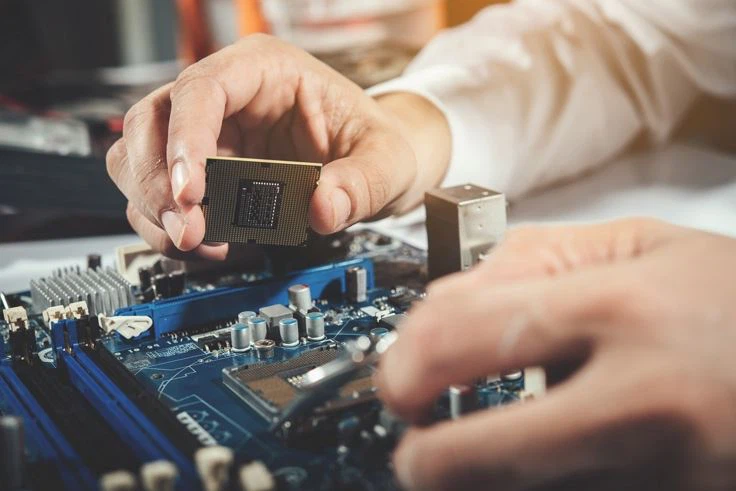
After you get started of Clone Industrial Printer PCB Card with us, all the necessary files will be submited in below format through which your PCB card can be manufacture and assembly anywhere in the world, we can ensure the accuracy of your data by means of prototype running.
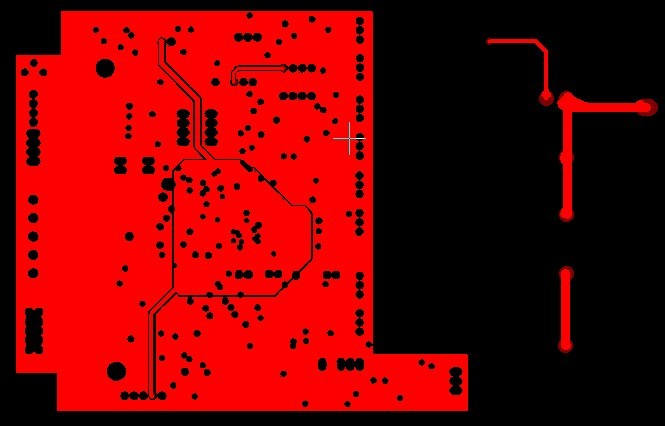
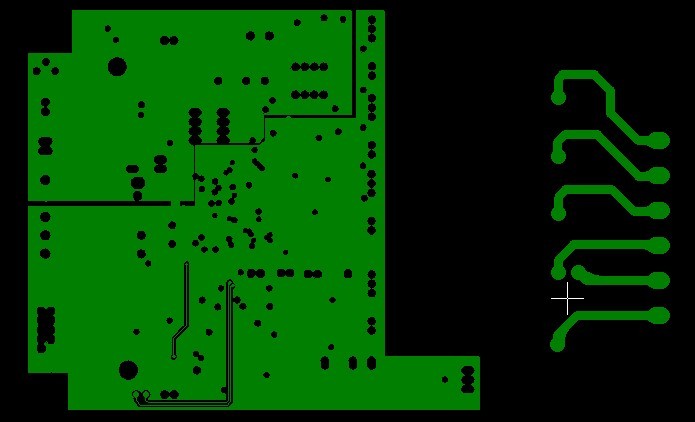
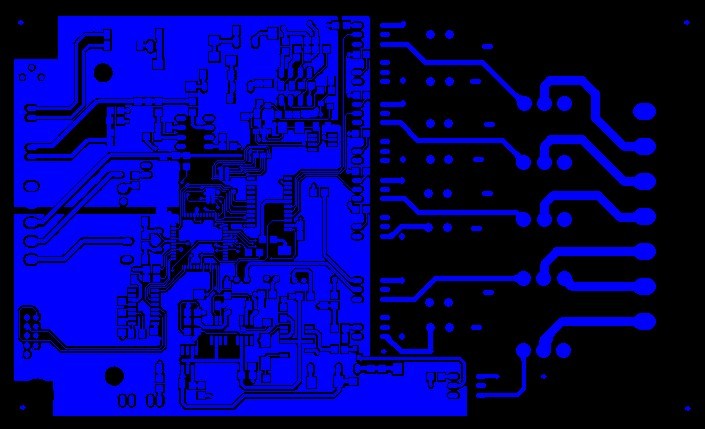
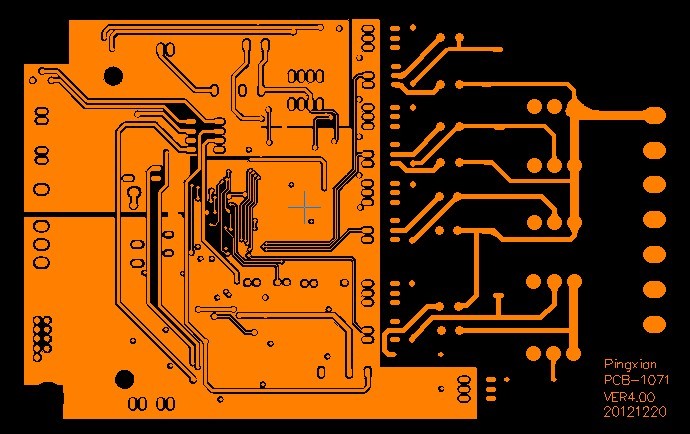
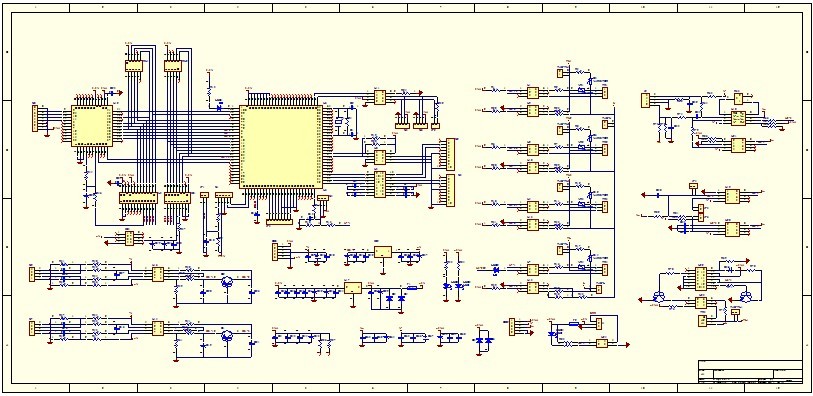
Here is sample of files and drawings you will receive, based on a typical 4 layer Industrial Printer PCB card clone with components mounted on two sides:
1st Grounding Layer of PCB CARD:
2nd Grounding Layer of PCB CARD:
Schematic Diagram of PCB CARD:
The ability to clone industrial printer PCB cards is more than a technical achievement—it’s a strategic capability. It brings aging or unsupported systems back to life, recovers valuable design data, and empowers companies to take control over their hardware’s lifecycle. If your industrial printer is facing obsolescence due to PCB failure, our reverse engineering and reproduction services are here to keep your operations running smoothly.
Circuit Engineering Company Limited provide a complete Clone Industrial Printer PCB Card service, Rapid Prototyping and functional test services using the latest technologies combined with traditional skills for a wide range of industries. By integrating our traditional skills with the latest technologies, we can offer clients a comprehensive portfolio of product development services all under one roof. For more details please contact us.