"Everything we build starts with design engineering. CECL manufactured boards for one of our products. It went perfectly – a real success.It is really an high quality service they have provided to us!"
By Nile Smith from Sinotech Inc.
“We had several very old device with obsolete boards need to be replaced –through CECL professional service.We got what we needed, and we’ve been using the results of the work without any problem till now.”
By Richard Anderson from TWP system Inc.
"Guys from CECL manufacture PCBs we use in one of our products, a clinometer and we’ve never had a problem with anything. The boards come in, they work. And, their team is very responsive."
Producibility Study of Reverse Engineering PCB target
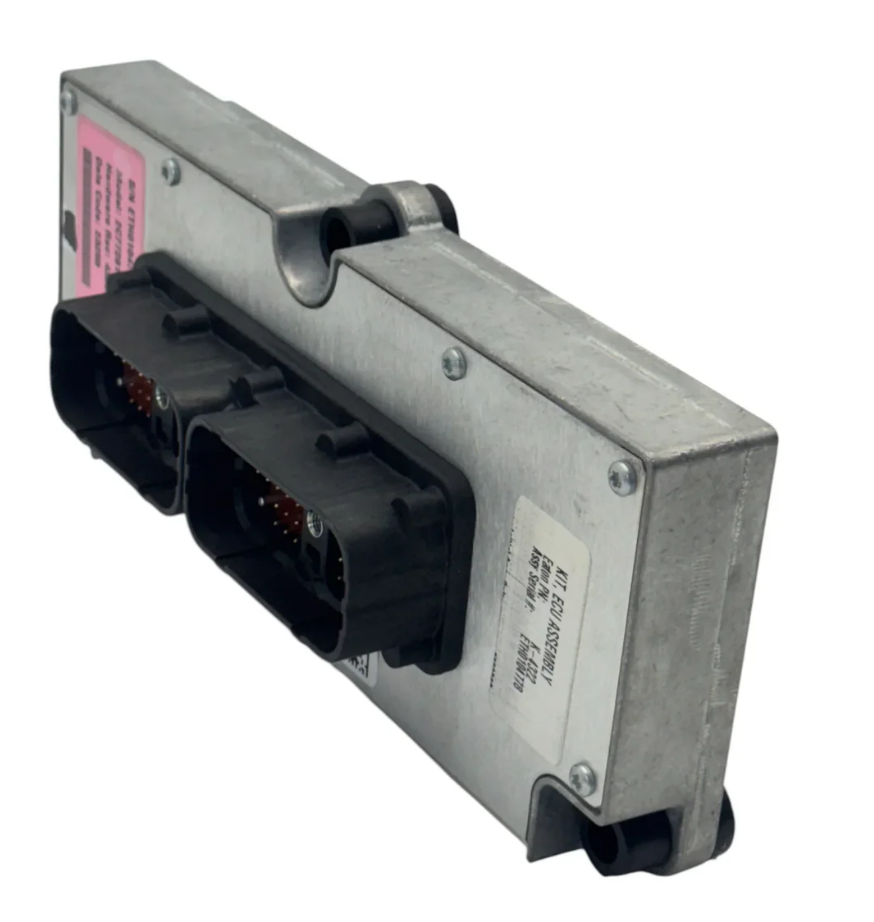
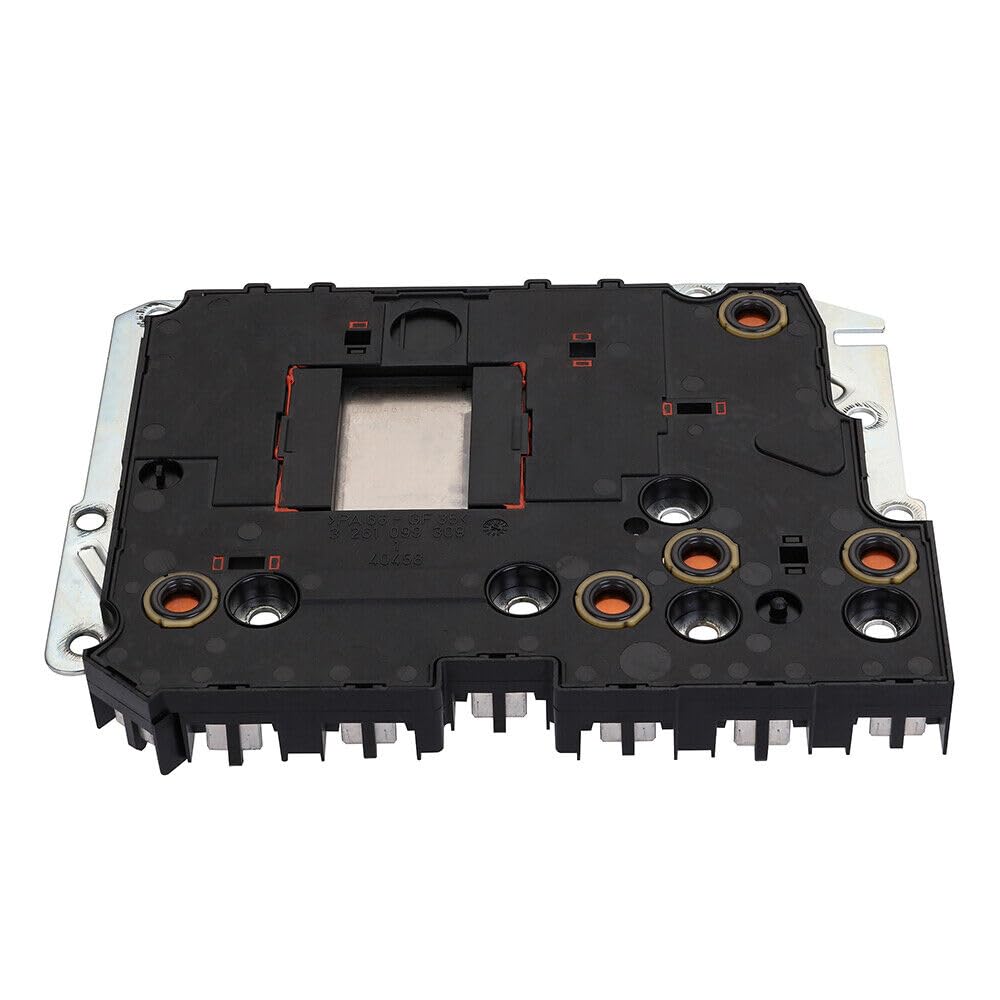
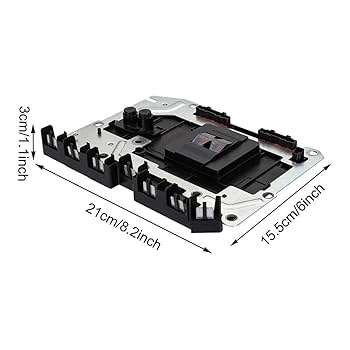
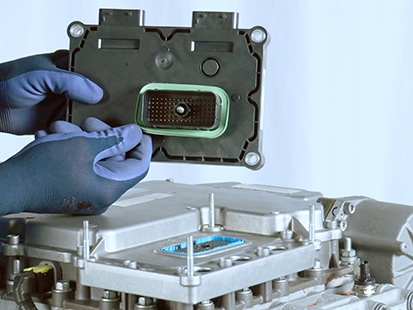
Producibility Study of Reverse Engineering PCB Target is an essential stage in the lifecycle of modern electronic system restoration, particularly for industrial and construction equipment such as Transmission Control Modules (TCMs) used in excavators. The TCM governs crucial vehicle operations like automatic gear shifting, torque distribution, and hydraulic synchronization, ensuring optimal performance in harsh working environments. When the original TCM circuit boards become unavailable due to discontinuation or damage, reverse engineering provides a pathway to recover, restore, and reproduce the design for continued operational reliability. However, before large-scale production, a producibility study is vital to evaluate the feasibility, manufacturability, and quality assurance of the recreated PCB target.
Módulos de Control de Transmisión (TCM) utilizados en excavadoras. El TCM controla operaciones cruciales del vehículo, como el cambio automático de marchas, la distribución de par y la sincronización hidráulica, lo que garantiza un rendimiento óptimo en entornos de trabajo exigentes. Cuando las placas de circuito impreso originales del TCM dejan de estar disponibles debido a una interrupción en el suministro o daños, la ingeniería inversa ofrece una vía para recuperar, restaurar y reproducir el diseño y garantizar una fiabilidad operativa continua. Sin embargo, antes de la producción a gran escala, es fundamental realizar un estudio de producibilidad para evaluar la viabilidad, la capacidad de fabricación y el control de calidad del objetivo de PCB recreado. El estudio de producibilidad del objetivo de PCB de ingeniería inversa comienza con la recreación de la documentación de diseño. Los ingenieros analizan la estructura física de la PCB del TCM, capa por capa, mediante imágenes ópticas y de rayos X para extraer información precisa sobre sus trazas de cobre, vías y enrutamiento interno. Esto permite el desarrollo de archivos de ingeniería esenciales, como el archivo Gerber, el diagrama esquemático, el plano de diseño, la lista de materiales (BOM) y la lista de conexiones (netlist).
The Producibility Study of Reverse Engineering PCB Target begins with the recreation of design documentation. Engineers analyze the physical structure of the TCM PCB, layer by layer, using optical and X-ray imaging to extract precise information about its copper traces, vias, and internal routing. This allows the development of essential engineering files such as the Gerber file, schematic diagram, layout drawing, BOM list, and netlist. Each of these documents serves a critical role:
Gerber files guide PCB manufacturers in creating the copper patterns and layers.
Schematic diagrams represent the electrical interconnections between active and passive components.
Layout drawings provide mechanical placement and routing information.
BOM lists ensure accurate component sourcing with correct ratings and package types.
Netlists validate that all electrical connections match the schematic logic.
After documentation recovery, the bare board production is performed based on the recreated Gerber data. During this phase, engineers assess manufacturability—checking whether the track width, via size, and dielectric spacing comply with current PCB fabrication standards. Since excavator TCM boards often operate under vibration, temperature swings, and electromagnetic interference, material selection becomes critical. A producibility study examines whether the chosen substrate (usually FR-4, high-Tg FR-408, or polyimide) can withstand real-world mechanical and thermal stresses.
Once the PCB is fabricated, component procurement according to the BOM list follows. This step may reveal another challenge: sourcing obsolete ICs or sensors that were part of the original TCM design. Engineers may need to redesign or redevelop certain circuit sections to integrate modern replacements without altering overall functionality. Each component substitution must be verified electrically and thermally through simulation or prototype testing.
Módulos de Controle de Transmissão (TCMs) utilizados em escavadeiras. O TCM controla operações cruciais do veículo, como troca automática de marchas, distribuição de torque e sincronização hidráulica, garantindo o desempenho ideal em ambientes de trabalho severos. Quando as placas de circuito do TCM original se tornam indisponíveis devido à descontinuação ou danos, a engenharia reversa fornece um caminho para recuperar, restaurar e reproduzir o projeto para confiabilidade operacional contínua. No entanto, antes da produção em larga escala, um estudo de produtibilidade é vital para avaliar a viabilidade, a capacidade de fabricação e a garantia de qualidade do alvo PCB recriado. O Estudo de Produtibilidade do Alvo PCB de Engenharia Reversa começa com a recriação da documentação do projeto. Os engenheiros analisam a estrutura física do PCB do TCM, camada por camada, usando imagens ópticas e de raios X para extrair informações precisas sobre seus traços de cobre, vias e roteamento interno. Isso permite o desenvolvimento de arquivos essenciais de engenharia, como o arquivo Gerber, diagrama esquemático, desenho de layout, lista de BOM e netlist.
The assembly process—mounting and soldering components onto the newly produced board—marks the transition from digital documentation to tangible hardware. Quality control measures such as automated optical inspection (AOI), X-ray verification, and functional testing are implemented to ensure that the replicated TCM board performs identically to the original.
However, the producibility study does not stop at assembly. It includes a comprehensive analysis of yield rates, process repeatability, and long-term reliability. Engineers must ensure that the recreated PCB design is reproducible under mass production without degradation in signal integrity or mechanical stability. In addition, firmware compatibility testing is crucial, as the TCM often contains embedded software that controls adaptive shifting algorithms and torque modulation.
The main difficulties encountered during this process often involve multi-layer signal tracing, BGA package routing, or hidden internal connections. Inaccurate interpretation of internal vias or power planes can result in functional failure. Thus, meticulous verification of every layer in the reverse-engineered data is mandatory before proceeding to production.
Getriebesteuergeräte (TCMs) werden in Baggern verwendet. Das TCM steuert wichtige Fahrzeugfunktionen wie automatisches Schalten, Drehmomentverteilung und hydraulische Synchronisierung und gewährleistet so optimale Leistung in rauen Arbeitsumgebungen. Wenn die Original-TCM-Leiterplatten aufgrund von Abkündigung oder Beschädigung nicht mehr verfügbar sind, bietet Reverse Engineering eine Möglichkeit, das Design wiederherzustellen und zu reproduzieren, um die Betriebszuverlässigkeit aufrechtzuerhalten. Vor der Massenproduktion ist jedoch eine Produzierbarkeitsstudie unerlässlich, um die Machbarkeit, Herstellbarkeit und Qualitätssicherung des nachgebildeten PCB-Ziels zu bewerten. Die Produzierbarkeitsstudie des Reverse-Engineering-PCB-Ziels beginnt mit der Wiederherstellung der Designdokumentation. Ingenieure analysieren die physikalische Struktur der TCM-Leiterplatte Schicht für Schicht und verwenden dabei optische und Röntgenbilder, um genaue Informationen über ihre Kupferspuren, Durchkontaktierungen und interne Verkabelung zu extrahieren. Dies ermöglicht die Entwicklung wichtiger technischer Dateien wie Gerber-Dateien, Schaltpläne, Layoutzeichnungen, Stücklisten und Netzlisten.
In conclusion, the Producibility Study of Reverse Engineering PCB Target ensures that a reconstructed TCM board not only replicates the original electrical and mechanical design but also meets industrial-grade manufacturing standards. This approach bridges the gap between legacy technology and modern production, enabling reliable remanufacture and redevelopment of mission-critical control systems that power the world’s heavy machinery.
Circuit Engineering Company Limited provide a complete PCB Reverse Engineering, PCB Clone and PCB Restoration service, Rapid Prototyping and functional test services using the latest technologies combined with traditional skills for a wide range of industries. By integrating our traditional skills with the latest technologies, we can offer clients a comprehensive portfolio of product development services all under one roof. For more details please contact our customer service team.
Modules de commande de transmission (TCM) utilisés dans les excavatrices. Le TCM gère les opérations cruciales du véhicule, telles que le passage automatique des vitesses, la répartition du couple et la synchronisation hydraulique, garantissant des performances optimales dans des environnements de travail difficiles. Lorsque les cartes de circuits imprimés TCM d’origine deviennent indisponibles suite à un arrêt de production ou à un dommage, la rétro-ingénierie permet de récupérer, restaurer et reproduire la conception pour une fiabilité opérationnelle continue. Cependant, avant une production à grande échelle, une étude de productibilité est essentielle pour évaluer la faisabilité, la fabricabilité et l’assurance qualité de la cible PCB recréée. L’étude de productibilité de la cible PCB issue de la rétro-ingénierie commence par la recréation de la documentation de conception. Les ingénieurs analysent la structure physique du PCB TCM, couche par couche, à l’aide d’imagerie optique et à rayons X afin d’extraire des informations précises sur ses pistes de cuivre, ses vias et son routage interne. Cela permet de développer des fichiers d’ingénierie essentiels tels que le fichier Gerber, le schéma de principe, le plan d’implantation, la nomenclature et la liste des interconnexions.