


Reverse Engineering PCB Card Production
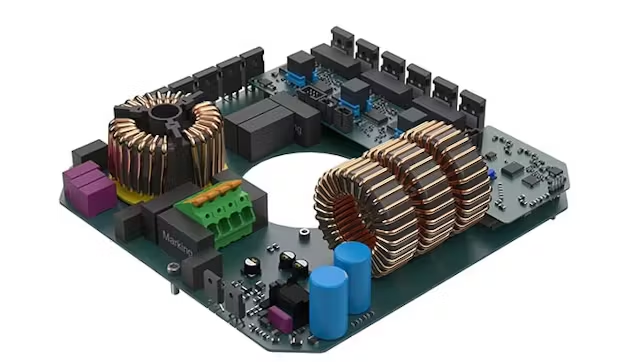
Modern electric motor controllers are at the heart of automation, robotics, and electric vehicles. These sophisticated devices regulate current, voltage, and switching logic to optimize motor performance. However, when original design data is lost, discontinued, or unavailable, Reverse Engineering PCB Card Production becomes an essential process to keep systems running. By systematically analyzing a controller’s circuit card, engineers can recover the documentation, recreate the board, and move through production and assembly to deliver a fully functional replacement.
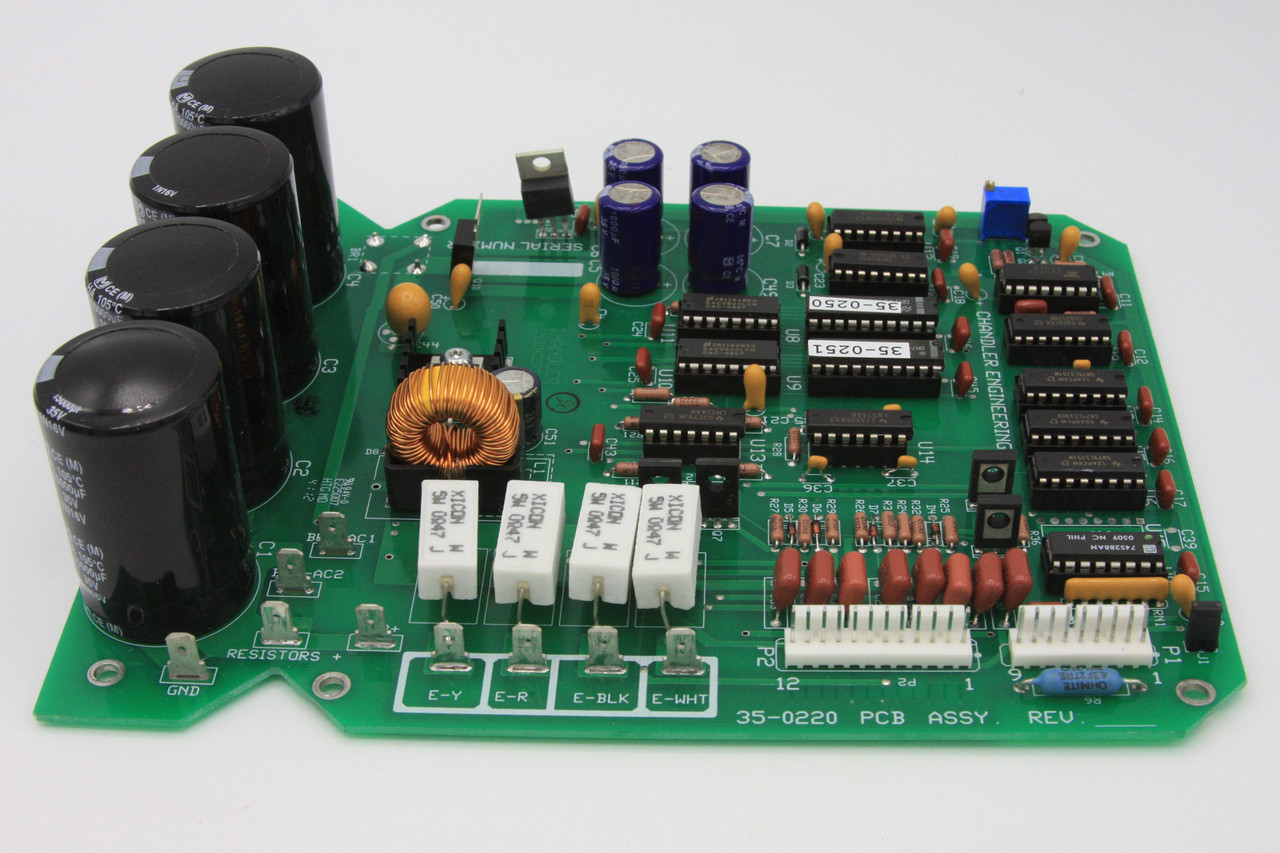
Reverse Engineering PCB Card Production units and extract the printed circuit board documents from physical samples which include Layout drawing, Gerber file, schematic diagram and BOM list;
Step 1 – Data Recovery from the Original Board
The reverse engineering journey starts by studying the physical PCB card of the motor controller. Through precision scanning and layer-by-layer inspection, critical data is extracted and translated into engineering files, such as:
- Gerber file – guiding bare PCB fabrication with copper traces, pads, and drill holes.
- Schematic diagram – defining electrical connectivity, enabling analysis and potential redesign.
- Layout drawing – mapping component positions and signal routing for assembly.
- BOM list – detailing every resistor, capacitor, MOSFET, and microcontroller for accurate procurement.
- Netlist – confirming signal integrity and connectivity against the original board.
This process ensures that the reverse-engineered documents are accurate enough to duplicate, replicate, or reproduce the motor controller PCB card.
Step 2 – Bare Board Fabrication
Once documentation is prepared, the Gerber files and layout drawings are delivered to a PCB manufacturer. For motor controllers, which often demand multi-layer designs with controlled impedance and thermal stability, strict attention must be given to copper thickness, via quality, and dielectric properties. These boards must be rugged enough to handle high switching currents and heat dissipation.
Step 3 – Component Procurement and Assembly
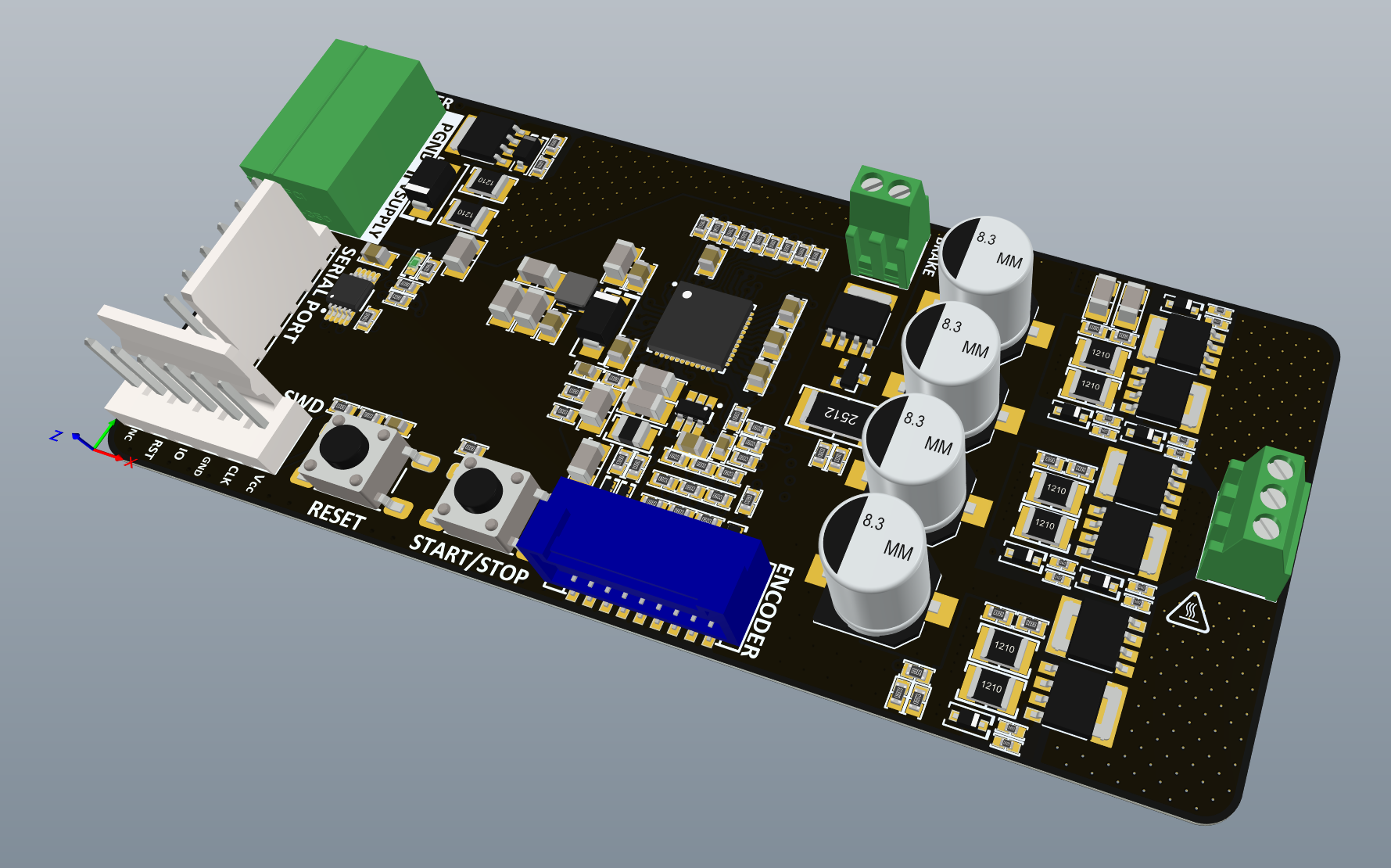
The BOM list drives the sourcing of components. Engineers may encounter obsolete or discontinued devices, requiring careful restoration, refurbishment, or substitution to maintain performance. After procurement, the production team moves into assembly, soldering each device onto the newly fabricated board according to the layout drawing and validating the assembly with the netlist to avoid mismatched connections.
Step 4 – Converting Documentation to Real Production
Turning reverse-engineered documentation into real, reliable hardware requires attention to detail. Tolerances, thermal management, and EMI performance must be carefully considered during remanufacture. In addition, design rules derived from the schematic diagram and layout drawing should be cross-verified with test prototypes before scaling up. This phase often reveals the need for minor redesign or redevelopment to ensure the board can endure actual working conditions in demanding motor controller environments.
Step 5 – Prototype Verification and Redevelopment
Before mass production, a prototype run is critical. By testing the reverse-engineered PCB card under actual motor loads, engineers validate current handling, response times, and thermal behavior. If issues arise, the data is adjusted, ensuring that the final replicated and duplicated product meets performance expectations.
Reverse Engineering circuit board need a Certificate of compliance. A certificate of compliance should be placed in the candidate file certifying that the enclosed documentation is correct and meets all applicable specifications and requirements and all corrections and/or changes have been completed.
Circuit board Production review after reverse engineering. A PCB card production review should be performed to determine the economics of production of the reverse engineered item. The objective of the production review is to determine pertinent prototype production data based on actual quotes from competent manufacturers.
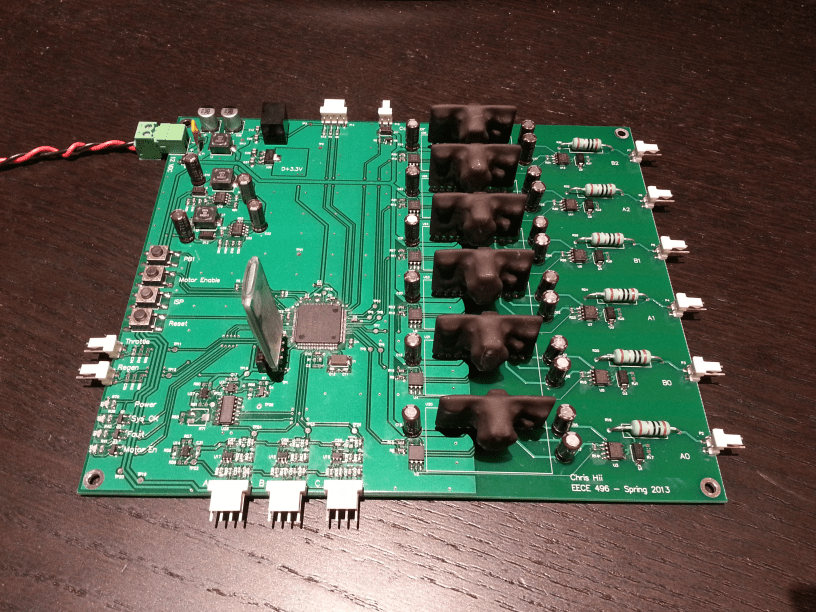
Estimates of PCB board copying, Quotes from three or more sources should be obtained for prototypes, as well as one-, two-, and three-year quantity requirements based on average annual buy quantity.
Make-or-outsource pcb card cloning service, Where necessary, depending upon contractual agreements, a make or buy decision may be required by the government or contractor based on prototypes. Validation of the TDP during prototyping is important. Schedules of PCB board documents extraction, New schedules should be developed based upon delivery times quoted for both the prototypes and production quantities.
Reverse Engineering PCB Card Production for electrical motor controllers is not simply about making a copy; it is a structured engineering process. From data recovery to Gerber file preparation, from procurement guided by a BOM list to final assembly, every step ensures that critical motor controller boards can be reliably restored and reproduced. For industries that rely on precise motor control, this approach secures continuity, extends product lifecycles, and enables innovation even when the original resources are long gone.
Tags: double side pcb card reverse engineering,flexible pcb card reverse engineering,multilayer pcb card reverse engineering,powielać płytka drukowana artwork,powielać płytka drukowana bom,powielać płytka drukowana component list,powielać płytka drukowana design,powielać płytka drukowana diagram,powielać płytka drukowana layout,powielać płytka drukowana schematic,rigid flex pcb card reverse engineering,single side pcb card reverse engineering