


PCB Card Cloning Value Engineering
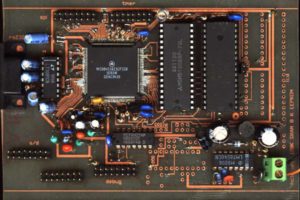
In the world of electronics, innovation often moves faster than documentation. Many businesses and individuals find themselves with critical circuit boards that are no longer supported by the original manufacturer. Technical files may be missing, suppliers may have phased out old models, and replacement costs can become prohibitive. In these situations, PCB Card Cloning Value Engineering emerges as a practical, strategic solution that bridges past technologies with present needs.
At its core, PCB Card Cloning Value Engineering is the systematic process of combining reverse engineering techniques with optimization strategies to recover, restore, and recreate legacy circuit boards. Unlike simple duplication, value engineering adds an extra dimension: identifying opportunities to improve reliability, reduce cost, or adapt the design to modern requirements while maintaining full functional compatibility.
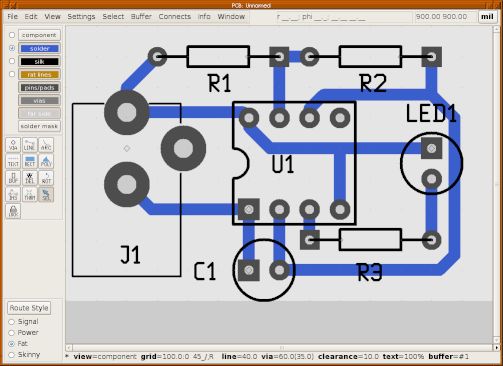
This specialized service involves not only the ability to clone, copy, and replicate PCB cards but also the insight to redesign, refurbish, and remanufacture them to extend their lifespan. Whether the need is to replace a small batch of obsolete control cards or scale up production for industrial use, the value of this approach is clear: lower risk, lower cost, and preserved continuity.
PWB Cloning objective: A value engineering (VE) review of pcb card cloning reverse engineering candidates may reveal cost drivers over and beyond the sole source restrictions. Some probable high cost drivers are: excessive material requirements, design defects, over design, functional redundancy, tolerance restrictions, excessive performance requirements, etc.
When these or similar conditions are noted, consideration should be given to performing value engineering studies prior to the completion of the pcb card cloning process. A sample value engineering Study and value engineering Proposal form is provided.
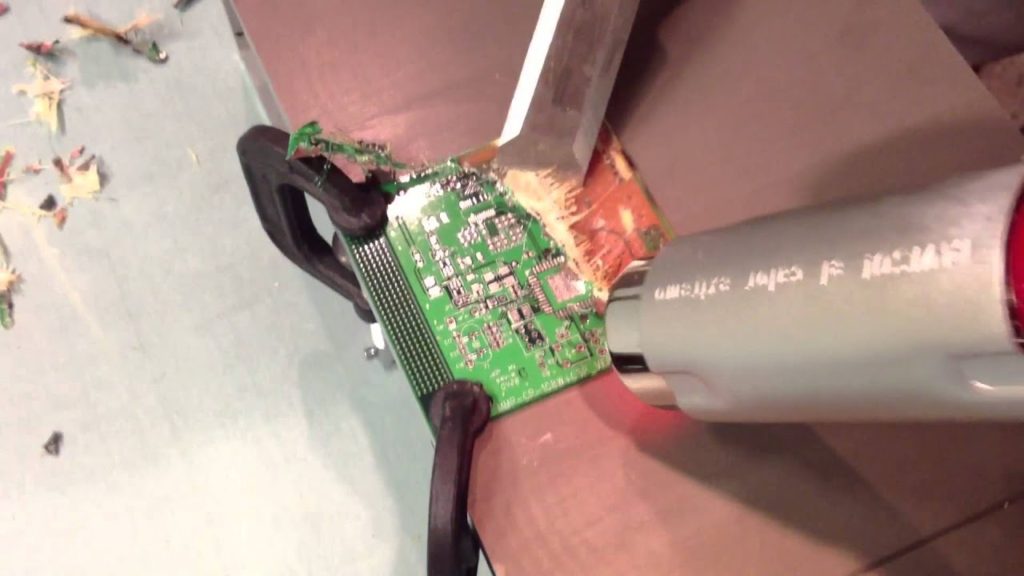
Documented results of pcb reverse engineering analysis: The results of all studies conducted should be documented in a format suitable to support the inclusion of the dollars saving into the DOD Value Engineering accountability system. The documentation should include, as a minimum, the following:
a. Originating individuals name, title, signature, official symbol and phone number
b. Item, component or part studied,
Logistics support analysis/record: The Logistics Support Analysis and the Logistics Support Analysis Record may be affected by these changes and appropriate action taken to update these documents. Manual reviews: Manuals should be reviewed and changes resulting from the creation of the technical data package should be incorporated.
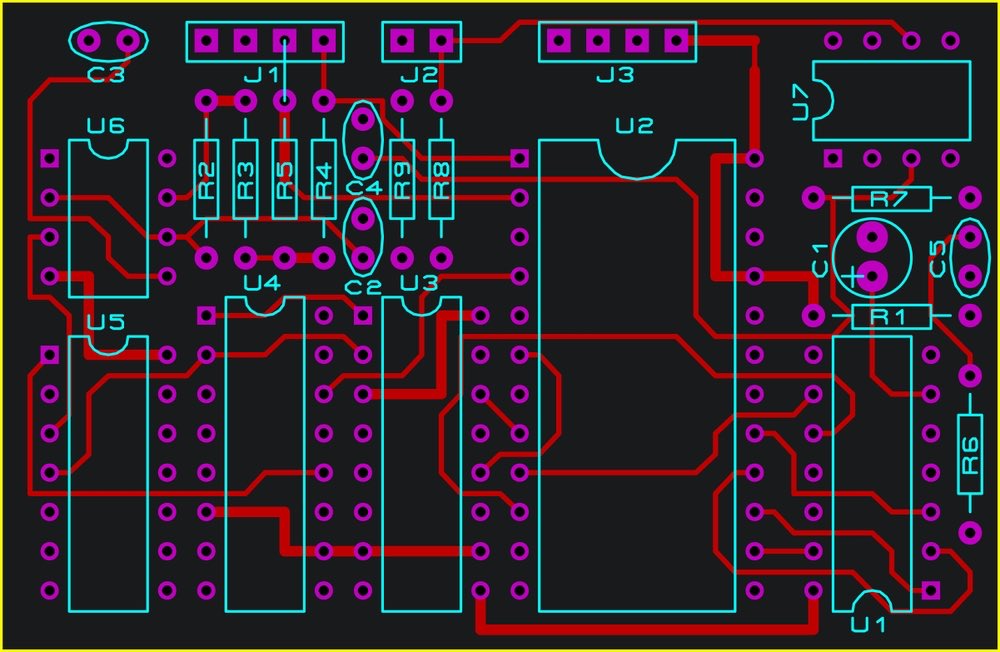
The process of PCB card replication is both meticulous and technical:
- Initial Evaluation – Engineers inspect the physical board, noting dimensions, number of layers, and connector configurations. Any visible defects are documented.
- Component Identification – Each resistor, capacitor, integrated circuit, and connector is examined and catalogued to generate a reliable BOM list for sourcing.
- Circuit Tracing and Imaging – High-resolution imaging and scanning are used to map copper traces, vias, and planes. These steps allow for the creation of a precise schematic diagram and layout drawing.
- Data Reconstruction – With all layers documented, engineers build digital Gerber files and netlists, ensuring the design is production-ready.
- Prototype and Validation – A prototype is manufactured and tested to confirm that the reproduced PCB card performs identically to the original, with opportunities for redevelopment or redesign evaluated.
- Final Production – Once validated, the design can be scaled into manufacturing, offering customers a long-term solution even when the original documentation is permanently lost.
Applications and Benefits
PCB card cloning services have wide applications across industries:
- Industrial control systems where old automation boards must remain operational for decades.
- Medical equipment where support for legacy devices ensures patient safety and compliance.
- Aerospace and defense systems where reliable replacements are needed for mission-critical applications.
- Consumer electronics where phase-out designs still serve valuable roles in niche markets.
By employing PCB Card Cloning Value Engineering, companies avoid the expense of redesigning entire systems from scratch. Instead, they can duplicate, replicate, or reproduce existing designs while selectively redesigning or refurbishing for improved thermal management, reduced material costs, or modern compliance.
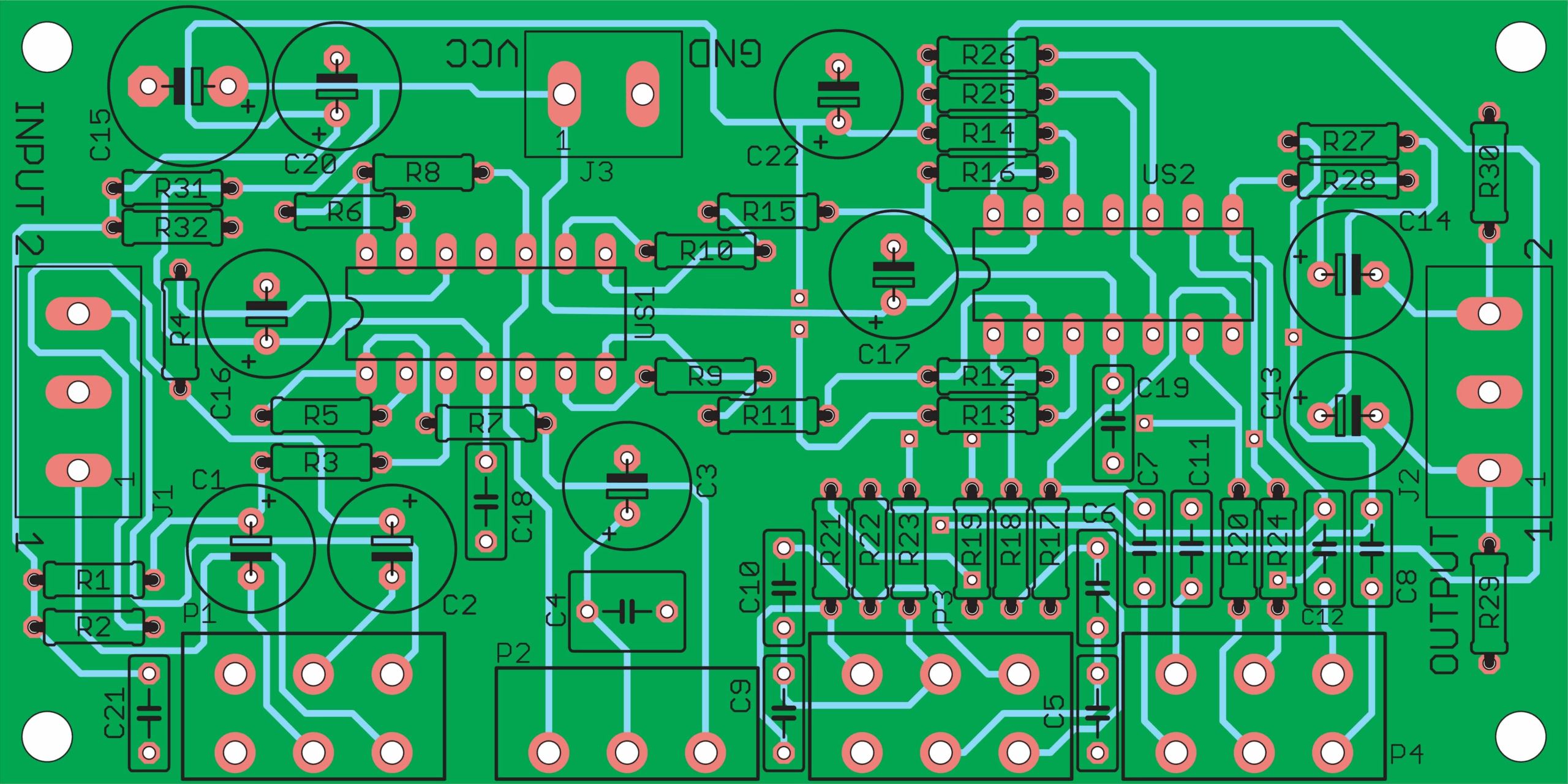
The true value of PCB Card Cloning Value Engineering lies in its ability to safeguard investments while opening doors to innovation. By combining reverse engineering with targeted cost and performance improvements, this service enables businesses and individuals to recover obsolete designs, restore missing documentation, and ensure long-term operational continuity. In industries where downtime or obsolescence can be costly, this approach is not just a service—it is a strategic advantage.
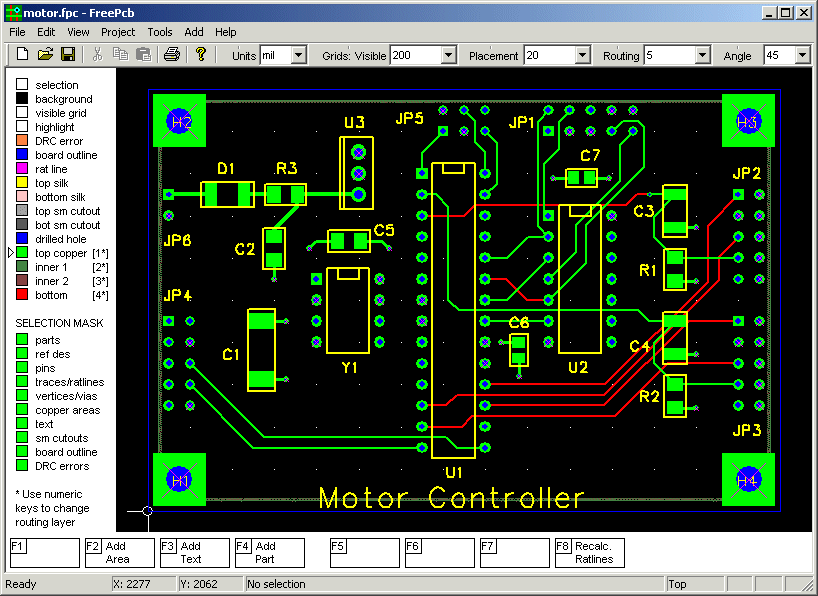
Circuit Engineering Company Limited provide a complete PCB Reverse Engineering, PCB Clone and PCB Restoration service, Rapid Prototyping and functional test services using the latest technologies combined with traditional skills for a wide range of industries. By integrating our traditional skills with the latest technologies, we can offer clients a comprehensive portfolio of product development services all under one roof. For more details please contact our customer service team.