"Everything we build starts with design engineering. CECL manufactured boards for one of our products. It went perfectly – a real success.It is really an high quality service they have provided to us!"
By Nile Smith from Sinotech Inc.
“We had several very old device with obsolete boards need to be replaced –through CECL professional service.We got what we needed, and we’ve been using the results of the work without any problem till now.”
By Richard Anderson from TWP system Inc.
"Guys from CECL manufacture PCBs we use in one of our products, a clinometer and we’ve never had a problem with anything. The boards come in, they work. And, their team is very responsive."
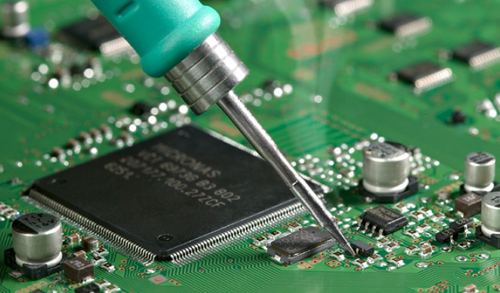
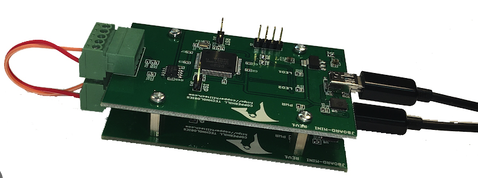
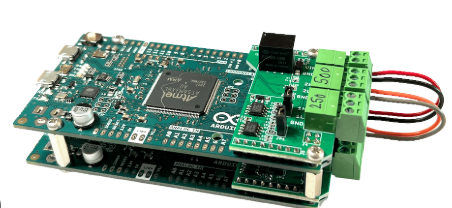
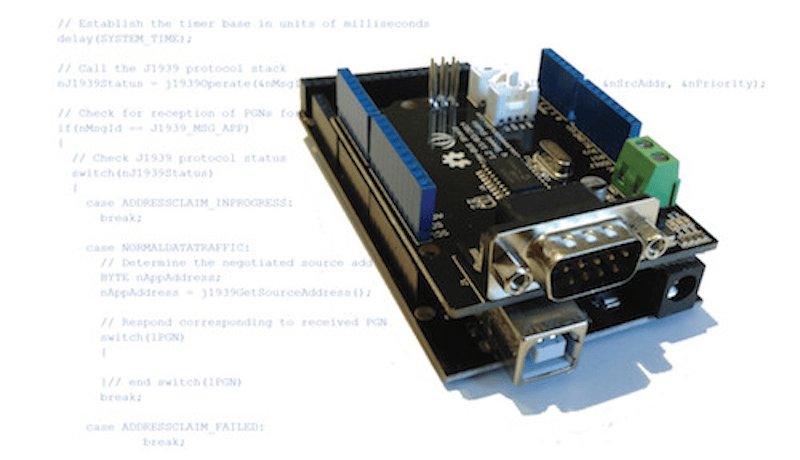
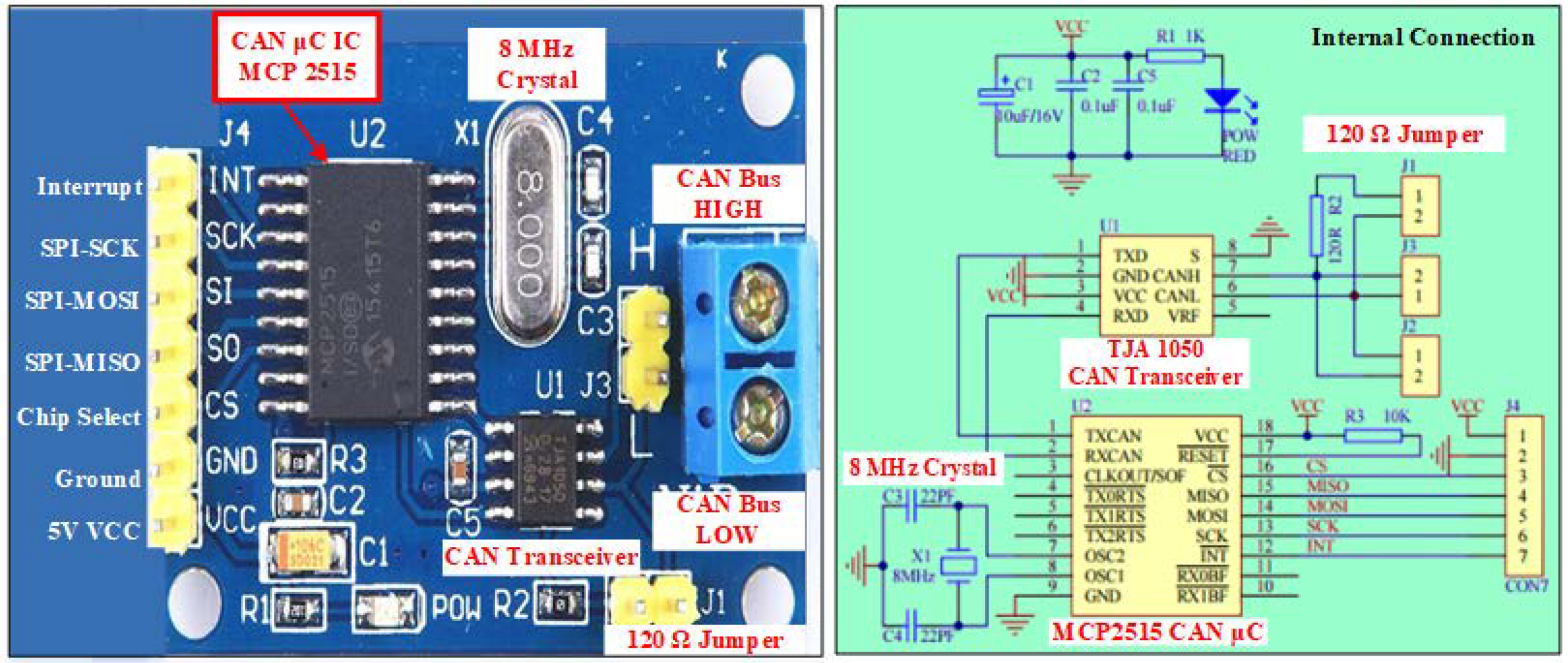
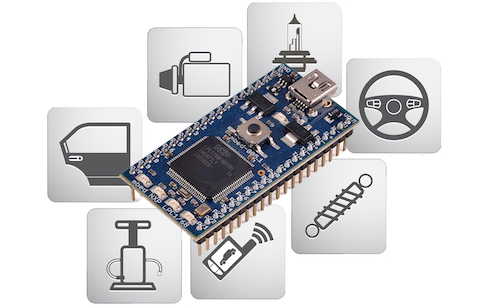
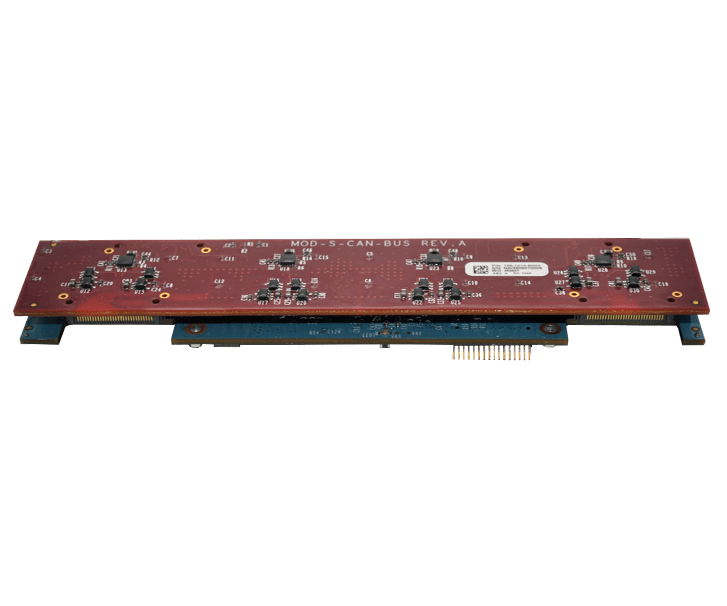
High speed PCB board reverse engineering plays a critical role in sustaining and upgrading CAN Bus communication PCBs used in bulldozers. These boards act as the backbone linking sensors, actuators, and controllers through CAN and J1939 protocols, enabling reliable real-time data exchange in harsh operating environments. When original design files are unavailable or components become obsolete, reverse engineering provides a structured approach to recover essential design intent and ensure continuous system availability.
High Speed PCB Board Reverse Engineering needs to take characterized impedance control, signal integrity and electro-magnetic inteference issue into consideration
In the most technically intensive stage, engineers perform high speed reverse engineering to recreate the complete electronic architecture. Through detailed inspection and signal analysis, the original layout drawing and Gerber file are reconstructed to preserve controlled impedance traces, differential routing, termination networks, and grounding strategies critical for CAN Bus stability.
Nach vollständiger Wiederherstellung der Dokumentation werden die wiederhergestellten Daten in produktionsreife Assets umgewandelt. Die neu erstellte Gerber-Datei, der Schaltplan, die Layoutzeichnung, die Stückliste und die Netzliste werden anhand moderner Standards für die Leiterplattenfertigung und -bestückung validiert. Dies ermöglicht die kontrollierte Reproduktion und Duplizierung von Bauteilen und unterstützt gleichzeitig gezielte Redesigns oder Weiterentwicklungen. So können Ingenieure beispielsweise die CAN-Schnittstelle modernisieren, indem sie den Überspannungsschutz verbessern, die EMV-Robustheit erhöhen oder nicht mehr erhältliche Komponenten ersetzen, ohne das Protokollverhalten zu verändern. Diese auf Reverse Engineering basierende Weiterentwicklung gewährleistet die Kompatibilität mit bestehenden Bulldozer-Steuerungsnetzwerken und verlängert die Betriebsdauer.
At the same time, the schematic diagram and netlist are restored by tracing signal paths between transceivers, microcontrollers, protection circuits, and power domains. A precise bom list is compiled to support clone, copy, replicate, or duplicate manufacturing. In this keyword-dense phase, the ability to accurately reproduce high speed signal integrity is essential to successful reverse engineering and remanufacture.
Una volta completata la documentazione, i dati recuperati vengono trasformati in risorse pronte per la produzione. Il file Gerber, lo schema elettrico, il disegno del layout, la distinta base e la netlist ricreati vengono convalidati rispetto ai moderni standard di fabbricazione e assemblaggio di PCB. Ciò consente la riproduzione controllata e la duplicazione di build, supportando al contempo la riprogettazione o lo sviluppo selettivo. Ad esempio, gli ingegneri possono rinnovare l’interfaccia CAN aggiornando la protezione dai transitori, migliorando la robustezza EMC o sostituendo componenti fuori produzione senza alterare il comportamento del protocollo. Tale sviluppo basato sul reverse engineering garantisce la compatibilità con le reti di controllo bulldozer esistenti e ne prolunga la durata operativa.
After documentation has been fully restored, the recovered data is transformed into production-ready assets. The recreated Gerber file, schematic diagram, layout drawing, bom list, and netlist are validated against modern PCB fabrication and assembly standards. This enables controlled reproduce and duplicate builds, while also supporting selective redesign or redevelopment.
डॉक्यूमेंटेशन पूरी तरह से रिस्टोर होने के बाद, रिकवर किए गए डेटा को प्रोडक्शन के लिए तैयार एसेट्स में बदल दिया जाता है। दोबारा बनाई गई Gerber फ़ाइल, स्कीमैटिक डायग्राम, लेआउट ड्रॉइंग, बॉम लिस्ट और नेटलिस्ट को मॉडर्न PCB फैब्रिकेशन और असेंबली स्टैंडर्ड्स के हिसाब से वैलिडेट किया जाता है। यह कंट्रोल्ड रीप्रोड्यूस और डुप्लिकेट बिल्ड को इनेबल करता है, साथ ही सेलेक्टिव रीडिज़ाइन या रीडेवलपमेंट को भी सपोर्ट करता है। उदाहरण के लिए, इंजीनियर ट्रांजिएंट प्रोटेक्शन को अपग्रेड करके, EMC रोबस्टनेस को बेहतर बनाकर, या प्रोटोकॉल बिहेवियर में बदलाव किए बिना बंद हो चुके कंपोनेंट्स को बदलकर CAN इंटरफ़ेस को रिफर्बिश कर सकते हैं। इस तरह का रिवर्स इंजीनियरिंग-ड्रिवन रीडेवलपमेंट मौजूदा बुलडोजर कंट्रोल नेटवर्क के साथ कम्पैटिबिलिटी पक्का करता है और ऑपरेशनल लाइफस्पैन को बढ़ाता है।
For example, engineers may refurbish the CAN interface by upgrading transient protection, improving EMC robustness, or replacing discontinued components without altering protocol behavior. Such reverse engineering-driven redevelopment ensures compatibility with existing bulldozer control networks and extends operational lifespan.
Nach vollständiger Wiederherstellung der Dokumentation werden die wiederhergestellten Daten in produktionsreife Assets umgewandelt. Die neu erstellte Gerber-Datei, der Schaltplan, die Layoutzeichnung, die Stückliste und die Netzliste werden anhand moderner Standards für die Leiterplattenfertigung und -bestückung validiert. Dies ermöglicht die kontrollierte Reproduktion und Duplizierung von Bauteilen und unterstützt gleichzeitig gezielte Redesigns oder Weiterentwicklungen. So können Ingenieure beispielsweise die CAN-Schnittstelle modernisieren, indem sie den Überspannungsschutz verbessern, die EMV-Robustheit erhöhen oder nicht mehr erhältliche Komponenten ersetzen, ohne das Protokollverhalten zu verändern. Diese auf Reverse Engineering basierende Weiterentwicklung gewährleistet die Kompatibilität mit bestehenden Bulldozer-Steuerungsnetzwerken und verlängert die Betriebsdauer.
When Recover PCB board documents, especially for a high speed pcb board, in order to find out and solve the problems occurs from high speed features, without rely on the expensive and time consuming pcb board test procedures, it is quite critical to proceed great amount of siganl analysis before the circuit board reverse engineering. When the designer found these issues, they can achieve first yield success through change and modify the layout and circuit layer dissipation, comfine the clock rate and its layout topology, choose the specific speed components.
Une fois la documentation entièrement restaurée, les données récupérées sont transformées en ressources prêtes pour la production. Le fichier Gerber, le schéma, le plan d’implantation, la nomenclature et la netlist recréés sont validés selon les normes modernes de fabrication et d’assemblage de circuits imprimés. Ceci permet des reproductions et des duplications contrôlées, tout en prenant en charge la reconception ou le redéveloppement sélectifs. Par exemple, les ingénieurs peuvent moderniser l’interface CAN en améliorant la protection contre les surtensions, la robustesse CEM ou en remplaçant les composants obsolètes sans altérer le comportement du protocole. Ce redéveloppement basé sur la rétro-ingénierie garantit la compatibilité avec les réseaux de commande de bulldozers existants et prolonge leur durée de vie opérationnelle.
However, the previous signal analysis tools for pcb board retoration are all have their limitation, they are either not very user friendly or can’t analyze the whole pcb board design systematically. Consequently, designer engineers can only pay attention to those critical points with key circuit network solely depends on their experiences or analyze these pcb board result by the signal integrity comprehesive tools.
Despite its effectiveness, high speed PCB reverse engineering of CAN Bus communication boards presents distinct challenges. Dense routing, multi-layer stack-ups, and strict timing requirements make it difficult to restore signal quality during clone or copy processes.
Dokümantasyon tamamen geri yüklendikten sonra, kurtarılan veriler üretime hazır varlıklara dönüştürülür. Yeniden oluşturulan Gerber dosyası, şematik diyagram, yerleşim çizimi, malzeme listesi ve ağ listesi, modern PCB üretim ve montaj standartlarına göre doğrulanır. Bu, kontrollü çoğaltma ve kopyalama işlemlerini mümkün kılarken, seçici yeniden tasarım veya yeniden geliştirmeyi de destekler. Örneğin, mühendisler, protokol davranışını değiştirmeden geçici korumayı yükselterek, EMC dayanıklılığını iyileştirerek veya kullanım dışı bırakılan bileşenleri değiştirerek CAN arayüzünü yenileyebilirler. Bu tür tersine mühendislik odaklı yeniden geliştirme, mevcut buldozer kontrol ağlarıyla uyumluluğu sağlar ve operasyonel kullanım ömrünü uzatır.
Minor deviations in trace length or reference planes can affect bus reliability under vibration and temperature extremes. Nevertheless, with disciplined analysis and validation, reverse engineering enables reliable recover, restore, and remanufacture of CAN/J1939 PCBs. Ultimately, this approach delivers a practical and cost-efficient solution for maintaining, refurbishing, and redeveloping bulldozer communication systems while safeguarding system interoperability and long-term performance.