


Circuit Card Reverse Engineering Procurement, Production & Assemble
In today’s competitive electronics industry, organizations often face challenges when the technical documents of a circuit card are no longer available, yet production, repair, or product continuation requires exact duplication. This is where Circuit Card Reverse Engineering Procurement, Production & Assemble becomes invaluable. Through advanced reverse engineering, engineers can recover, restore, and recreate the entire technical data package of a circuit card, enabling reliable remanufacture, streamlined procurement, and final assembly.
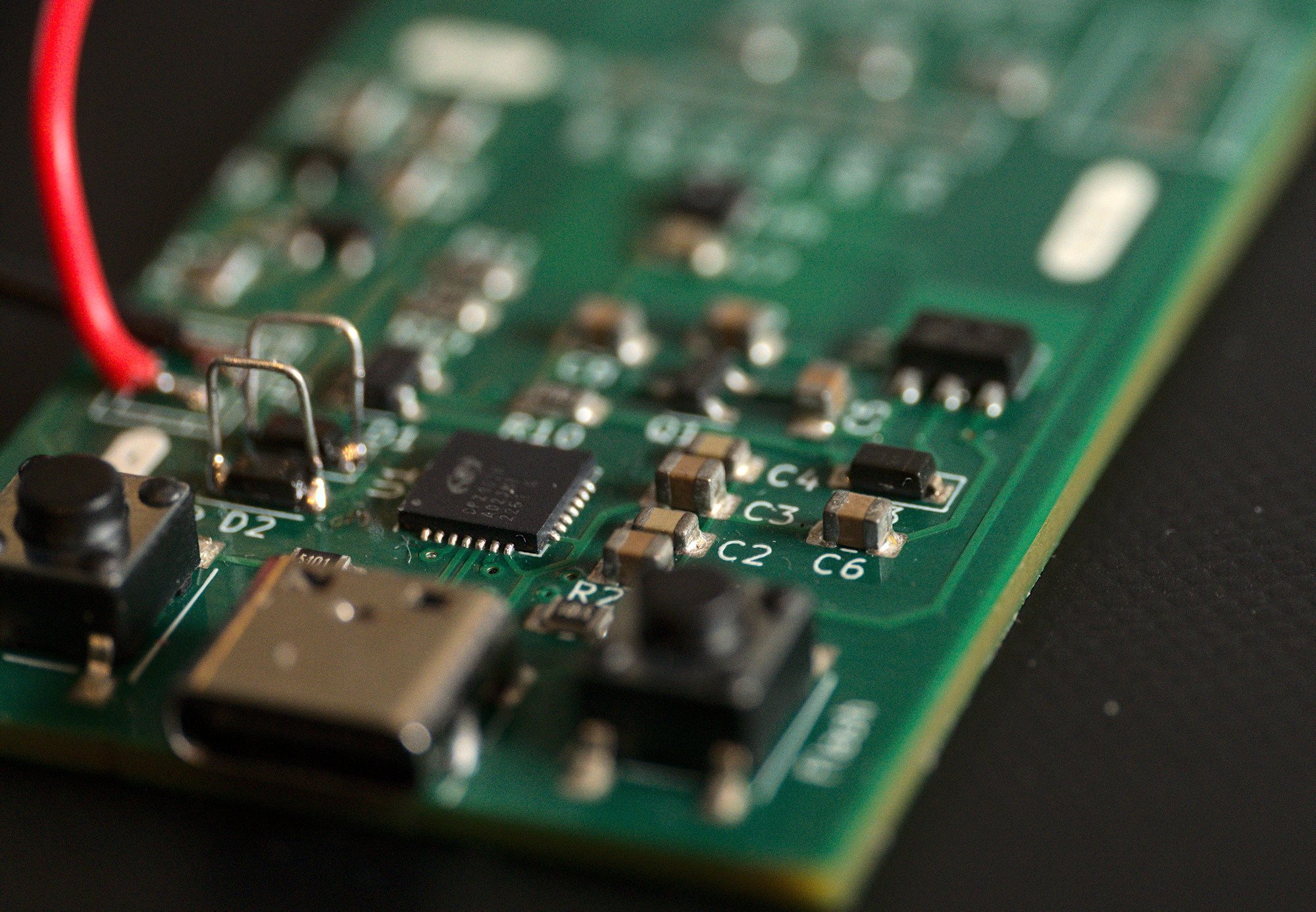
Circuit Card Reverse Engineering Procurement, Production & Assemble will help engineer to reproduce the printed circuit board which has been out of market through the extracted PCB board’s documents include layout, schematic and BOM;
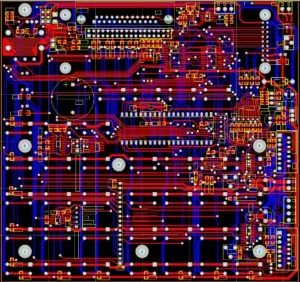
Procurement after PCB reverse engineering: A decision to procure the individual circuit card prototypes for test, as opposed to a first article test in a production run, should be the result of an economic analysis considering delivery times and tooling costs.
The first stage is analyzing the original physical sample. This process includes delaminating or scanning layers, mapping copper traces, and documenting all component designations. With these steps, a complete suite of engineering files can be generated, such as:
- Gerber file: Defines copper patterns, solder masks, and drill holes, which is essential for fabricating a precise bare board.
- Schematic diagram: Illustrates the logical circuit connectivity, critical for engineers to reproduce or redesign functionality.
- Layout drawing: Details the physical placement and routing of components, guiding accurate positioning during assembly.
- BOM list: A Bill of Materials cataloging each resistor, capacitor, IC, and connector, ensuring procurement of correct or compatible parts.
- Netlist: Verifies connectivity by cross-checking pin-to-pin links, ensuring integrity and consistency with the original design.
This comprehensive dataset forms the foundation to clone, copy, or replicate the original design with 100% accuracy.
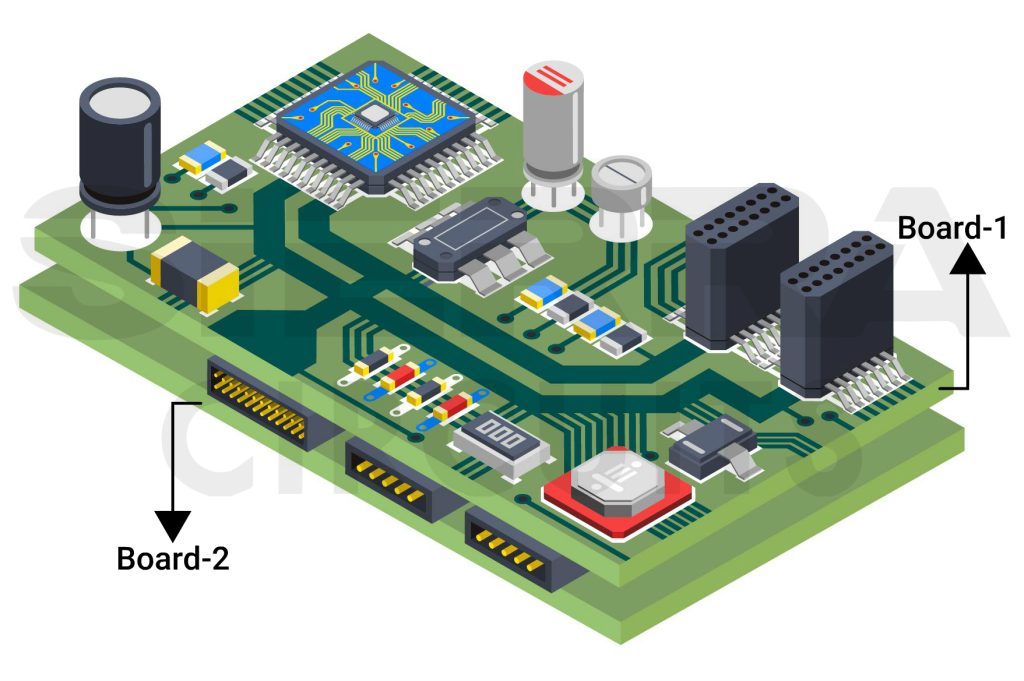
Circuit card fabrication after reverse engineering. When an item is a relatively simple assembly, consideration should be given to procuring the parts individually and assembling the items in-house.
Inspection and quality control of circuit card reverse engineering
Inspection of circuit card and assemble. All circuit card prototype parts and assemblies should be inspected in accordance with the incoming inspection policy. The decision to accept, reject, or rework the item should be made by the cognizant engineer, and all appropriate documentation should be completed.
Circuit card reverse engineering quality control plan . The quality control plan should define procedures for controlling procurement, manufacturing, assembly, inspection, testing, rejection, rework, and approval of the prototype built in accordance with the developed drawings and specifications. Each item should be inspected in accordance with disciplines such as mechanical, electrical, welding, material, dimensioning and tolerancing, as applicable.
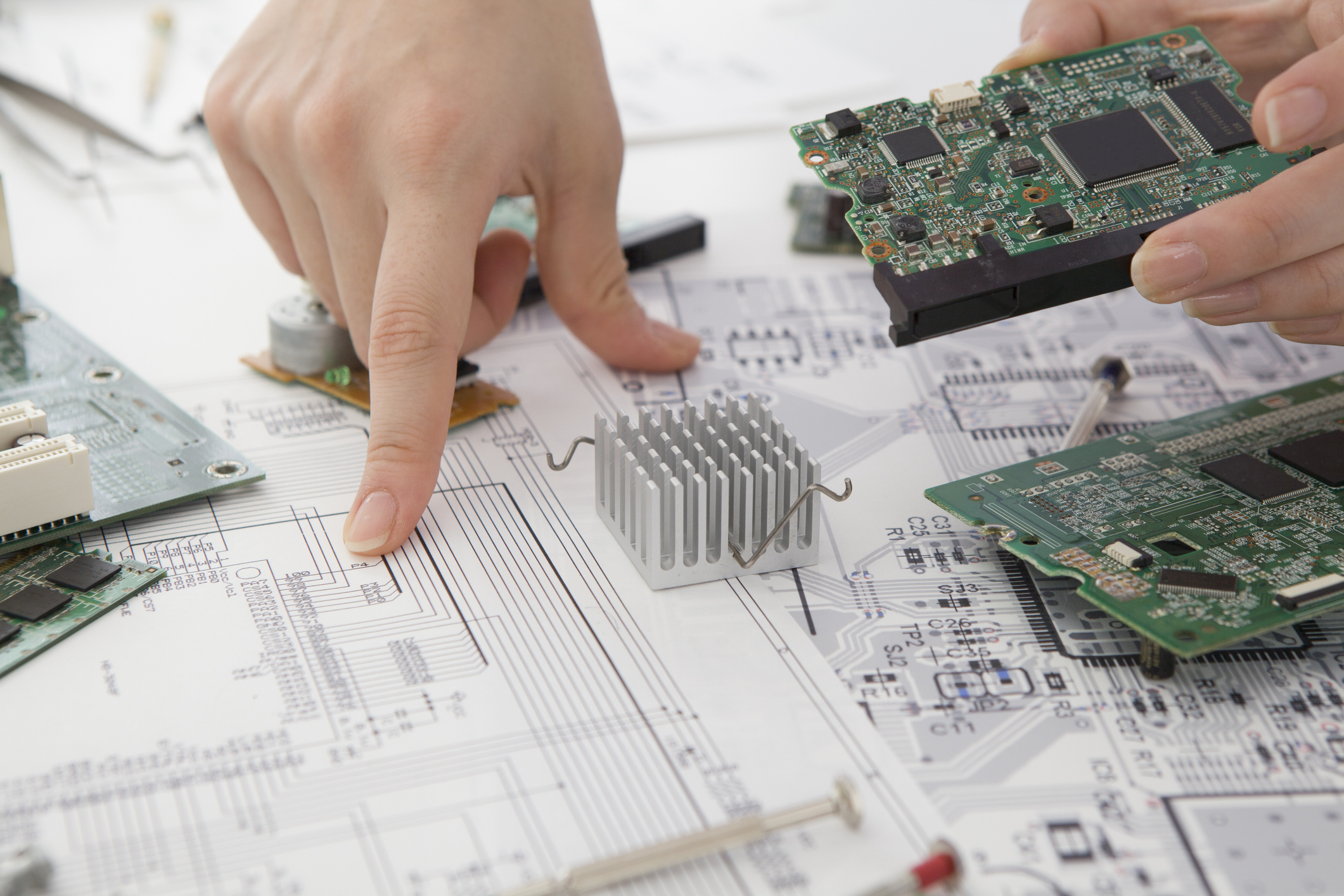
Assembly of circuit card of reverse engineering. During the assembly cycle, care should be taken to duplicate the requirements annotated on the assembly drawing and ensure that lubricants and fluids meet the applicable specification (this includes all clearance and torqueing requirements).
Once the Gerber files and layout drawings are finalized, they are sent to fabrication facilities to reproduce the bare PCB. Whether it is a single-layer, double-sided, or multilayer structure, the recovered data ensures the new board matches the original electrical and mechanical specifications. Quality control at this stage checks copper thickness, via accuracy, and solder mask alignment.
Component Procurement Based on BOM List
With the BOM list prepared, procurement teams source the required components. In cases where original components are obsolete, engineers can refurbish the design by selecting equivalent alternatives, while maintaining functional compatibility. This stage often involves both sourcing new parts and verifying salvaged ones, providing flexibility for redevelopment projects or low-volume production runs.
Assembly of Newly Made Boards
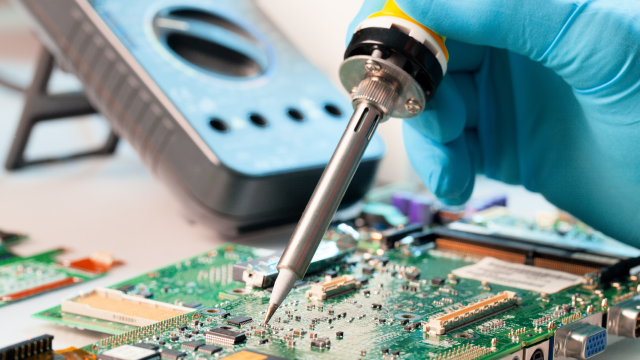
The final step is the assembly of components onto the newly fabricated boards. Guided by the layout drawing and validated by the netlist, each component is precisely placed and soldered. Depending on requirements, assembly may involve SMT placement, through-hole soldering, or mixed-technology approaches. Post-assembly testing ensures the replicated boards match the performance, endurance, and reliability of the original design.
Value of Circuit Card Reverse Engineering
By providing a structured workflow from reverse engineering to production and assembly, Circuit Card Reverse Engineering Procurement, Production & Assemble delivers significant value. Companies can duplicate critical boards that are no longer supported, restore legacy hardware for industrial systems, or redesign and reproduce products with improved performance. For individuals or businesses dealing with phase-out products, this service ensures continuity, cost savings, and reliable system operation.
In conclusion, the integration of reverse engineering, procurement, production, and assembly transforms obsolete samples into fully functional circuit cards. It is not only about copying hardware—it is about securing long-term sustainability for vital electronic systems.
Tags: single side circuit card reverse engineering